Homestead Organization Tips for Maximizing Small Spaces
Homesteading is all about self-sufficiency, sustainability, and making the most out of the space you have, but sometimes, the challenge of organizing and maximizing that space can feel overwhelming, especially when you’re working with a smaller homestead. Whether you’re living in a tiny urban garden or managing a small rural property, efficient organization can be a game-changer in keeping your homestead functional, productive, and enjoyable.
The good news is that even in smaller spaces, you can implement creative solutions to maximize every inch. With some smart planning, clever storage ideas, and a little bit of ingenuity, you can organize your homestead in a way that allows for efficient farming, gardening, and living. In this post, we’ll explore a variety of tips and tricks that can help you optimize your homestead’s layout and storage, ensuring that your small space works for you—no matter what your goals are.
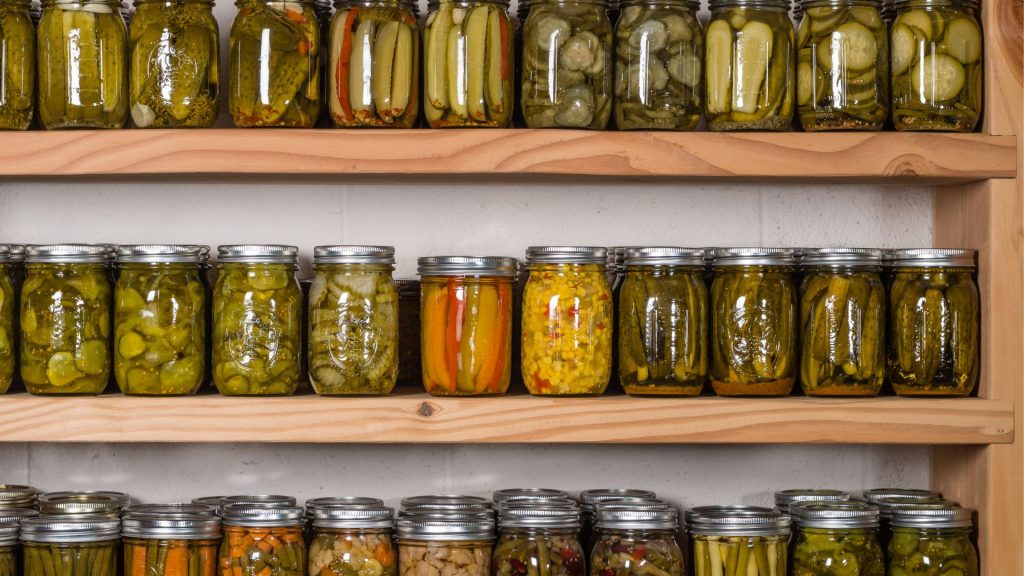
1. Start with a Plan: Zoning Your Homestead
The first step to creating a well-organized homestead, no matter the size, is to develop a strategic plan. Think about your homestead in terms of “zones,” each with a specific purpose. This zoning technique will not only help you organize your space more efficiently but will also allow you to visualize how to best use the available area.
For example, in a small homestead, you might create these zones:
- Gardening Zone: Allocate space for your garden beds or containers, ensuring they get enough sunlight. Consider using vertical gardening systems, raised beds, or trellises to save ground space.
- Animal Zone: If you’re raising chickens, goats, or other animals, designate a section of your homestead for their pens, coops, and shelters. Ensure that these areas are easy to access and properly enclosed to prevent escape and provide safety.
- Storage Zone: Dedicate a corner or room for tools, equipment, and supplies. This could be an outdoor shed, basement, or garage area. Keeping your tools organized and easily accessible will save time and energy when you need them most.
By zoning your homestead, you will create designated spaces that make it easier to maintain order and improve the functionality of each area.
2. Vertical Gardening: Use Your Space Upwards
In a small homestead, whether in a city garden or a rural plot, growing upwards is key to maximizing your garden space. Vertical gardening is an efficient way to grow a wide variety of plants without taking up too much room. Here are a few ways to implement vertical gardening:
- Trellises for Climbing Plants: Install trellises or latticework to grow climbing vegetables like cucumbers, peas, and beans. These plants will use vertical space and stay off the ground, freeing up room for other crops.
- Hanging Planters: Use hanging baskets to grow herbs, strawberries, or flowers. By hanging them from fences, balconies, or overhead structures, you can take advantage of space that would otherwise be unused.
- Vertical Plant Walls: Consider building or buying vertical plant walls. These are ideal for smaller spaces and allow you to grow many plants in a small footprint. You can create DIY plant walls by repurposing wooden pallets or even using old plastic bottles.
By utilizing vertical space for gardening, you’ll not only maximize your plant-growing area, but you’ll also create a beautiful, green space that enhances your homestead’s aesthetic.

3. Invest in Multi-Functional Furniture and Equipment
One of the best ways to make the most of limited space on a homestead is by investing in multi-functional items. Whether it’s furniture, tools, or equipment, choosing items that serve more than one purpose can make your homestead feel much more spacious and efficient.
- Foldable or Stackable Furniture: When furnishing your homestead, opt for foldable tables, stackable chairs, or storage ottomans that can also serve as seating or hidden storage. These pieces are perfect for small homes or living areas that need to be adaptable.
- Convertible Workspaces: Consider a workbench or table that can double as a storage unit. A workbench with built-in drawers or shelving will provide both a workspace and a place to store tools and supplies.
- Multi-Purpose Tools: Look for tools that have multiple uses. For instance, a lawnmower that also functions as a leaf blower or a rake that doubles as a garden hoe can cut down on the amount of equipment you need to store and manage.
Multi-functional items are a smart investment when working with a small homestead, as they help save space without sacrificing utility.

4. Create Vertical Storage Solutions for Tools and Equipment
Tools and equipment are essential for any homestead, but they can take up a lot of space if not stored properly. One of the most efficient ways to organize your tools is to use vertical storage systems that keep everything off the floor and easily accessible.
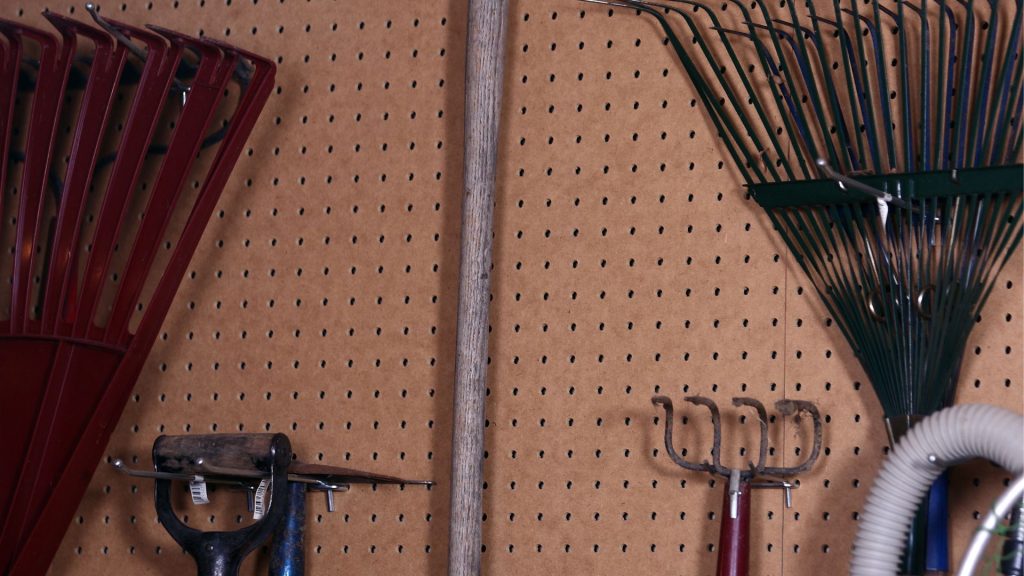
- Pegboards and Tool Racks: Install a pegboard in your garage, shed, or a wall in your home for hanging tools like hammers, rakes, shovels, and pliers. This helps keep things visible and easy to grab when needed.
- Shelving Units and Cabinets: Use shelves to store smaller tools, containers, and supplies. Wall-mounted shelves or floating shelves can help save floor space while keeping your tools organized and accessible.
- Overhead Storage: If you have a garage or shed with unused ceiling space, consider installing overhead storage racks for storing things like seasonal items, large containers, or even long-handled tools.
Vertical storage allows you to keep your tools and supplies within reach but out of the way, which is essential for maintaining a clean and clutter-free homestead.
5. Use Raised Garden Beds and Containers
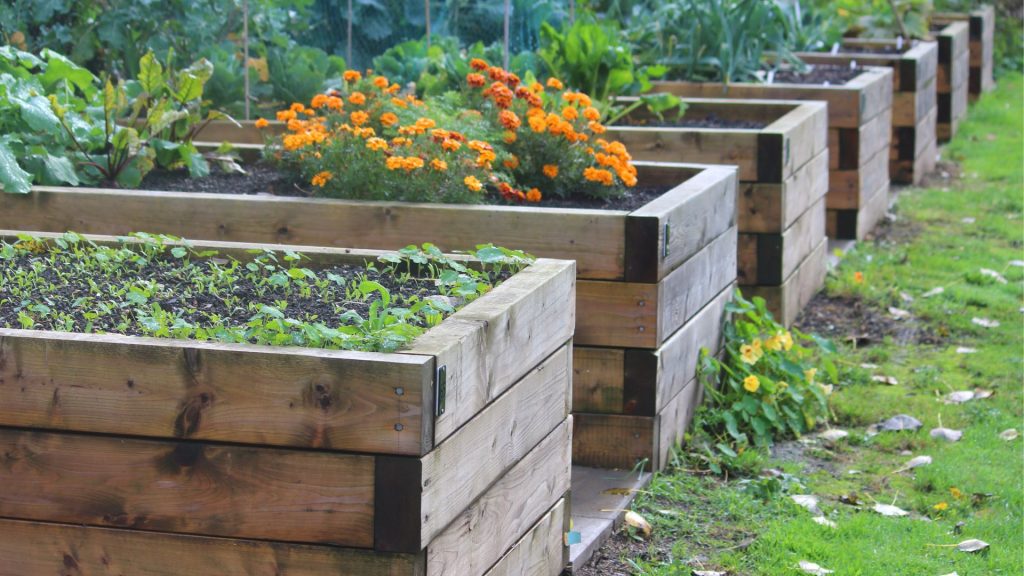
For small spaces, raised garden beds are an excellent way to maximize planting areas. They can be used in almost any location, including backyards, patios, or even balconies. Raised beds offer several advantages:
- Better Soil Quality: You can control the quality of the soil, which is especially beneficial if your ground soil is poor or rocky. Raised beds also warm up faster in the spring, allowing for earlier planting.
- Space Efficiency: Raised beds are typically more space-efficient than traditional in-ground gardens. You can grow more plants in a smaller area, especially if you use square foot gardening techniques.
- Easier Maintenance: Raised beds are easier on the back, as they are elevated, and you can avoid soil compaction by using high-quality compost and soil mixtures.
Another option is to use containers for gardening. Containers can be moved around, and you can grow a wide range of vegetables, herbs, and even dwarf fruit trees in pots. Whether using large garden containers or simple five-gallon buckets, you can maximize your space and still grow a bountiful harvest.
6. Utilize Hidden Storage Space
In a homestead, hidden or underutilized spaces are often overlooked when it comes to organization. However, these hidden spaces can be goldmines for storage if you know how to use them. Consider these clever storage ideas:
- Under-Bed Storage: Use the space beneath your bed or furniture to store extra supplies like seasonal clothing, gardening tools, or non-perishable food items. You can use bins, baskets, or even roll-out drawers for easy access.
- Attic or Loft Space: If you have an attic, loft, or other unused overhead space, install shelving or cabinets to store items you don’t need to access regularly, such as extra linens, seasonal decor, or surplus tools.
- Under-Stair Storage: If you have stairs, you can create storage under the stairs for things like canned goods, gardening supplies, or even composting materials.
Making use of hidden spaces can free up more visible areas for other important tasks and help your homestead stay organized.
7. Make the Most of Vertical and Horizontal Space for Animals
On a homestead, animals take up a lot of space. But by organizing and planning their living areas wisely, you can maximize the space available for your furry and feathered friends.
- Vertical Shelters for Chickens: Consider installing roosting bars or multi-level nesting boxes for chickens. Chickens naturally want to perch, and multi-level designs help them make the most of the space they’re in.
- Use of Fencing and Shelters for Goats or Pigs: Create pens with vertical walls to help contain animals in smaller spaces. Building structures like simple A-frame shelters or movable pens will give your animals enough space to roam, while the design helps you optimize your property.

Sunny Thoughts
Maximizing small spaces on your homestead doesn’t have to be a daunting task. With a little creativity, strategic planning, and some clever storage solutions, you can organize your space efficiently, making it work for your needs—whether it’s for gardening, raising animals, or living sustainably. Remember to think vertically, invest in multi-functional items, and use hidden or underutilized spaces to your advantage.
Homesteading is all about making the most of what you have, and organizing your small space is the first step to creating a well-run and enjoyable homestead. With the tips above, you’ll have your homestead humming along in no time!
What are your best space-saving tips for organizing a homestead? Have you tried any of these ideas on your own property? Share your thoughts in the comments below!