The Best Vegetables to Grow in Small Spaces
Having a small garden doesn’t mean you can’t enjoy growing your own fresh vegetables. In fact, gardening in small spaces can be incredibly rewarding and convenient. Whether you have a tiny backyard, a balcony, or even a windowsill, you can cultivate a variety of vegetables. The key is to choose the right plants, use space efficiently, and employ a few clever gardening techniques.
In this beginner’s guide, we’ll share the best vegetables to grow in small spaces, along with helpful tips on how to make the most of your garden area. Whether you’re a seasoned gardener or just starting out, you’ll find that growing vegetables in a small garden is easier than you might think.

1. Why Small Garden Gardening is Worth It
Gardening in small spaces offers several advantages. First, it’s often more manageable and less overwhelming than larger gardens. A small garden requires less effort to maintain, making it ideal for beginners. Plus, it’s easier to control conditions like watering, weeding, and pests. By focusing on a few key crops, you can maximize your space while still enjoying a bountiful harvest.
Another benefit of small space gardening is its accessibility. Even if you live in an apartment or don’t have a yard, you can still grow vegetables in containers, window boxes, or vertical gardens. Additionally, gardening in small spaces allows you to grow your own fresh, organic produce right at home, which can save you money and reduce your carbon footprint.

2. Choosing the Right Vegetables for Your Small Garden
When selecting vegetables for your small garden, it’s important to consider their growth habits and how much space they require. The goal is to choose plants that are compact, productive, and easy to manage. Here are some of the best vegetables for small spaces:
Leafy Greens
Leafy greens are a great option for small gardens because they grow quickly, take up little space, and can be grown in containers. Some excellent choices include:
- Lettuce: Lettuce is perfect for small spaces, as it doesn’t require much room to grow. You can easily grow different varieties like romaine, butterhead, or leaf lettuce. Plus, they’re ideal for container gardening and raised beds.
- Spinach: Spinach thrives in small garden spaces, and it’s easy to grow in containers. It grows quickly and can be harvested multiple times during the season.
- Kale: Kale is another excellent leafy green for small gardens. It’s nutritious, easy to grow, and does well in containers or small raised beds.
Radishes
Radishes are a fast-growing, low-maintenance vegetable that’s perfect for small spaces. They don’t require much room and can be grown in containers or garden beds. Since they mature in just a few weeks, you can enjoy a quick harvest. Radishes also have the advantage of being easy to care for and can be planted in cooler weather, which makes them a versatile choice for small gardens.

3. Vegetables That Grow Well in Containers
If you don’t have a garden bed or enough ground space, growing vegetables in containers is a fantastic option. Many vegetables do well in containers, provided they have adequate space, soil, and water. Some of the best vegetables for container gardening include:
Tomatoes
Tomatoes are one of the most popular vegetables for small gardens and containers. Compact varieties like cherry, plum, and bush tomatoes are well-suited to small spaces. You can grow them in hanging baskets, pots, or window boxes. Tomatoes thrive in sunny spots, so be sure to place them in an area that gets at least six hours of sunlight each day. With proper care, you can harvest fresh, juicy tomatoes right from your small garden.
Peppers
Peppers—both sweet and hot—are perfect for containers. Compact varieties like dwarf peppers or bell peppers grow well in pots and require less space than traditional pepper plants. They also enjoy warm weather and plenty of sun, making them a great choice for small garden spaces with lots of light.
Herbs
Herbs are an excellent addition to any small garden. They grow well in containers and can even thrive indoors on a windowsill. Some herbs that do well in small spaces include:
- Basil: Ideal for container gardening, basil thrives in the sun and adds flavor to many dishes.
- Chives: Chives are compact and can grow in small containers, making them perfect for small spaces.
- Thyme: Another herb that does well in containers, thyme is a great choice for beginner gardeners.

4. Vertical Gardening for Small Spaces
One of the best ways to maximize space in a small garden is through vertical gardening. By growing plants upwards instead of outwards, you can create more space for additional crops. Vertical gardening is ideal for climbing plants like peas, beans, and cucumbers. Here’s how to get started with vertical gardening:
Using Trellises
Trellises are a great way to support climbing plants. Simply place a trellis in your garden or container and allow your plants to grow upward. This method works well for plants like cucumbers, peas, beans, and even some tomatoes. Trellises save space and help keep your plants off the ground, making them less prone to disease and pests.
Vertical Planters and Towers
Vertical planters are a smart solution for small gardens. These can be purchased or made from recycled materials. Vertical towers, which are tiered planters, allow you to grow multiple crops in a small footprint. You can plant leafy greens, herbs, and strawberries in these space-saving planters.

5. Maximizing Your Small Garden’s Potential
To make the most of your small garden, there are a few additional tips and techniques that can help you grow more in less space:
Succession Planting
Succession planting involves planting a new crop after harvesting an old one. This method ensures that your garden remains productive throughout the growing season. For example, you can plant lettuce or radishes early in the season, harvest them, and then plant a second crop like beans or carrots.
Companion Planting
Companion planting is the practice of growing plants that benefit each other when planted close together. For example, planting basil alongside tomatoes can help deter pests and improve the flavor of the tomatoes. Similarly, beans and peas fix nitrogen in the soil, which benefits leafy greens like lettuce.
Use Raised Beds
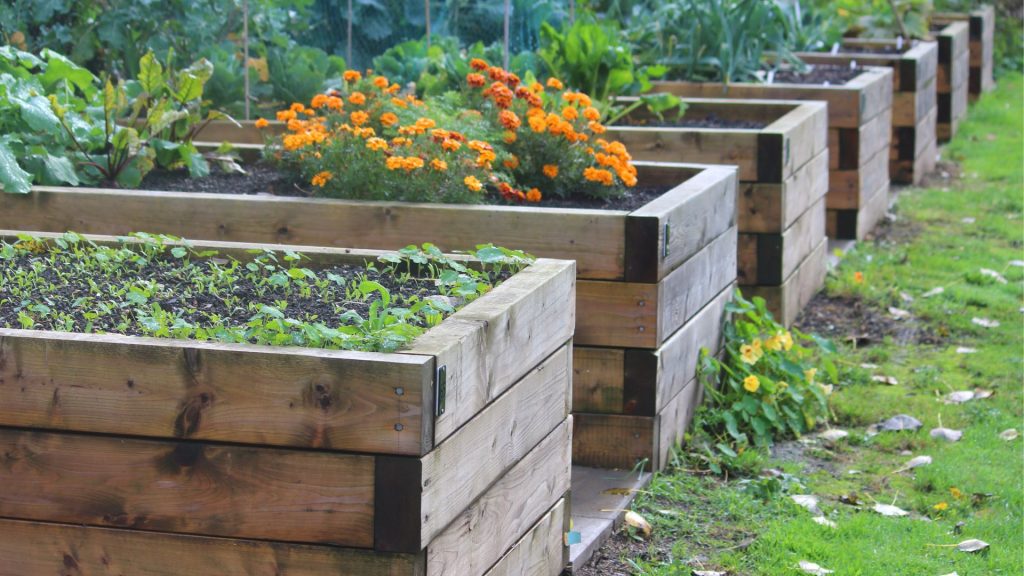
If your small garden has poor soil or if you want to maximize space, consider using raised garden beds. These beds allow you to control the soil quality, drainage, and depth of your garden. Raised beds also make it easier to grow in small spaces, as they can be placed on patios, balconies, or other limited areas.
6. Caring for Your Small Garden
Caring for a small garden is easier than you might think, but there are a few important things to keep in mind:
Watering
Small garden plants often require more frequent watering than larger ones, as containers and small beds can dry out faster. Water your plants early in the morning or late in the afternoon to prevent evaporation. Be sure to water the base of the plants rather than the leaves to avoid fungal diseases.
Fertilizing
Since small gardens often have limited soil, it’s important to fertilize regularly. Use organic fertilizers or compost to enrich the soil. You can also feed your plants with liquid fertilizer every few weeks during the growing season to help them thrive.
Monitoring for Pests
Even small gardens can attract pests, so keep an eye out for common garden invaders like aphids, slugs, and caterpillars. Use natural remedies, such as neem oil or insecticidal soap, to control pests without harming beneficial insects.
Gardening in small spaces is a fantastic way to grow your own fresh vegetables, even if you have limited room. By selecting the right plants, using space-saving techniques like vertical gardening, and providing proper care, you can create a productive and enjoyable small garden. With these tips, you’ll be well on your way to cultivating a flourishing garden, no matter how limited your space may be.