
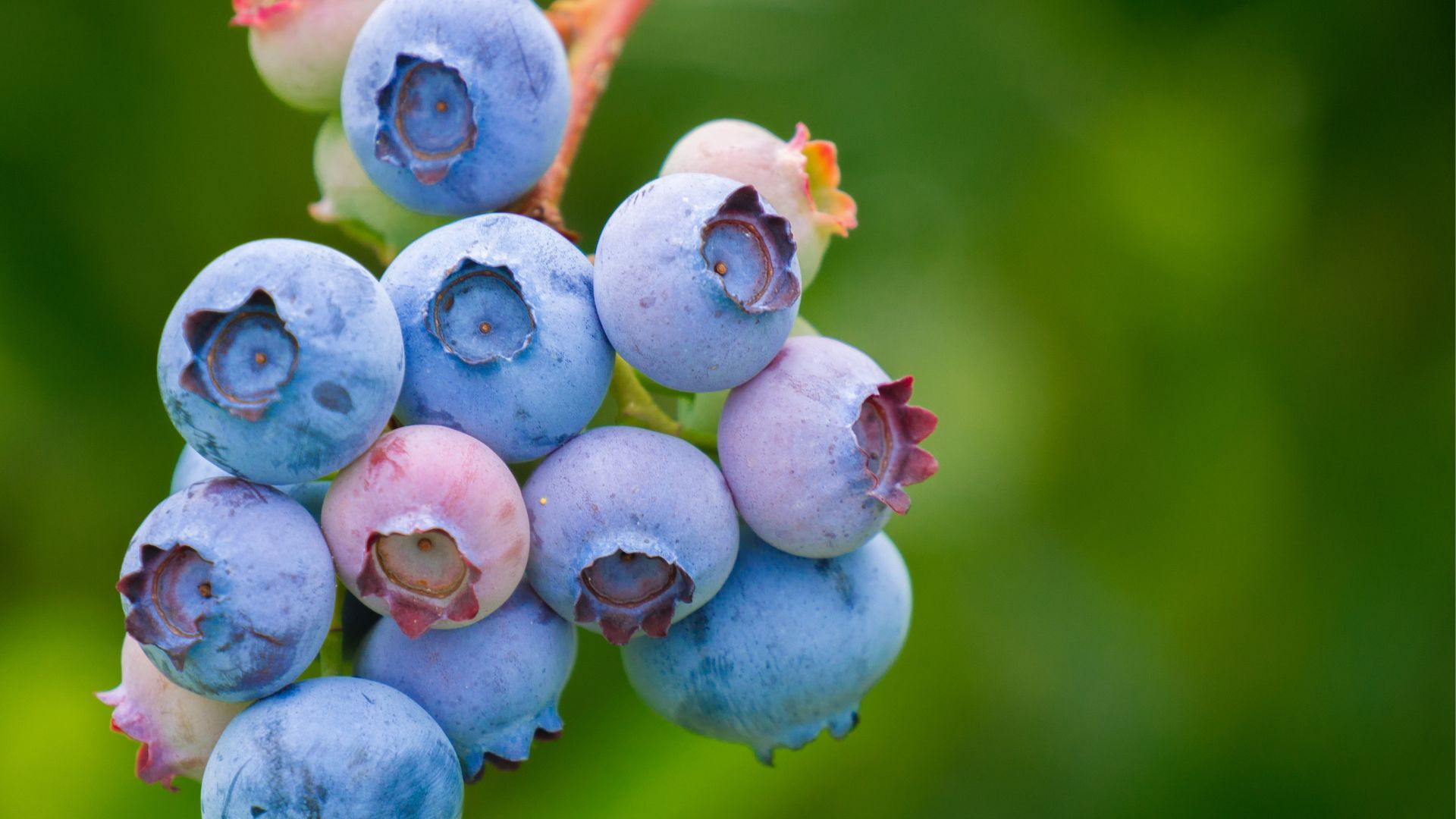
Blueberry Growing Secrets: How to Get the Largest, Sweetest Harvest
There’s nothing quite like the satisfaction of picking fresh blueberries from your own garden. Sweet, juicy, and bursting with antioxidants, blueberries are a favorite fruit for gardeners and home chefs alike. But to get the biggest and best harvest, there are a few essential tips and tricks to know. From choosing the right variety to providing the ideal growing conditions, getting a bumper crop of blueberries is within your reach.
In this guide, we’ll walk you through everything you need to know to help your blueberry bushes thrive and produce a large, flavorful harvest. Whether you’re new to blueberry gardening or you’re looking to boost your current yields, this post will provide you with actionable tips to maximize your success.
1. Choose the Right Variety for Your Region
Blueberries come in several varieties, and the key to getting the best harvest starts with choosing the right type for your growing zone. There are three main types of blueberries:
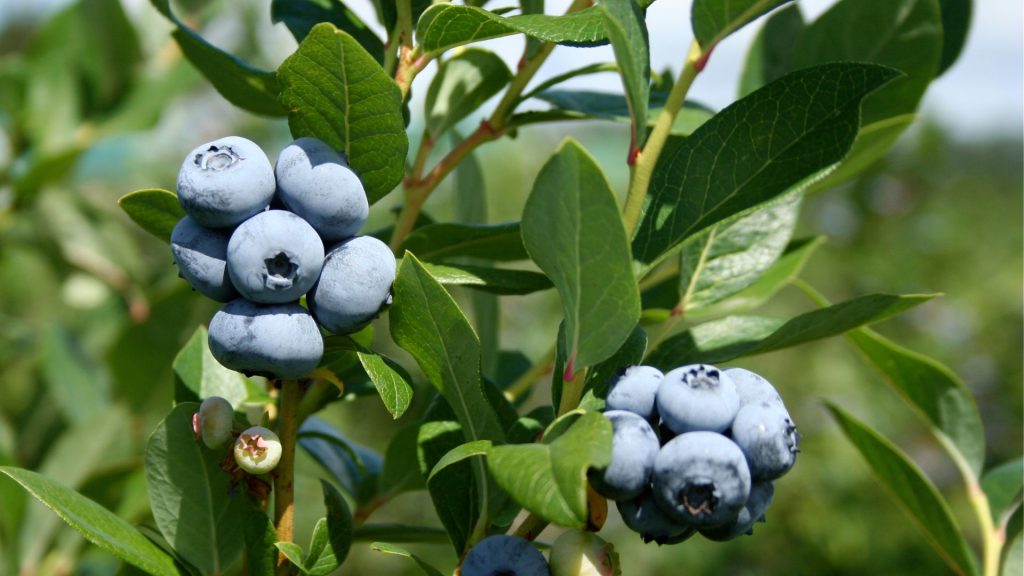
- Highbush Blueberries (Vaccinium corymbosum): These are the most common type of blueberry and are suitable for colder climates. They are hardy and produce large, sweet berries. If you live in a region with cold winters, highbush blueberries are your best bet.
- Southern Highbush Blueberries: These are hybrid varieties that are suited for warmer climates. They thrive in zones 7-10 and produce berries earlier in the season.
- Rabbiteye Blueberries (Vaccinium virgatum): These are ideal for the Southeast United States and are particularly hardy in hot, dry conditions. They tend to have larger berries and are more drought-tolerant than highbush varieties.
- Dwarf Varieties: If you’re short on space, dwarf varieties like “Top Hat” or “Jelly Bean” are great options. These bushes are compact, but still produce a decent harvest of sweet berries.
Be sure to choose a variety that is well-suited to your climate to ensure that your plants will thrive and bear fruit year after year.
2. Plant Multiple Varieties for Better Pollination
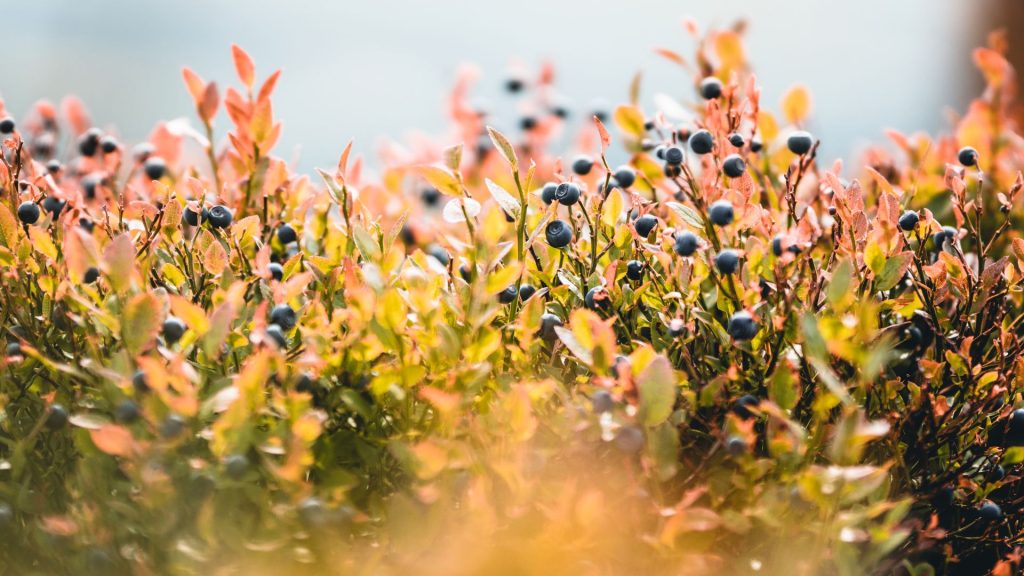
Blueberries are self-pollinating, which means they don’t need another blueberry bush to bear fruit. However, cross-pollination between different varieties can lead to a larger and more consistent harvest. By planting at least two different varieties, you’ll encourage better pollination and ensure that your plants produce more berries. Different varieties bloom at slightly different times, which can extend your harvest window and increase overall yield.
If you have the space, consider planting at least one or two varieties of highbush blueberries, and perhaps a different variety of Southern Highbush or Rabbiteye blueberries if you live in the right region.
3. Choose the Right Location
Blueberries need a lot of sun to produce fruit, so choosing the right spot in your garden is crucial. Ideally, blueberries should receive full sun (at least 6-8 hours of direct sunlight per day). When choosing your planting location, consider the following:
- Well-Draining Soil: Blueberries prefer slightly acidic soil with a pH of 4.5 to 5.5. Make sure the soil drains well, as they don’t like “wet feet” (standing water). If your soil is heavy or clayey, you may need to amend it with organic matter to improve drainage.
- Avoid Strong Winds: Blueberries are relatively delicate plants, and strong winds can damage the bushes and cause stress. Try to plant them in a sheltered area or create windbreaks around the plants if needed.
- Raised Beds: If your garden has heavy or compacted soil, planting blueberries in raised beds can improve soil drainage and make it easier to control soil pH.
4. Prepare the Soil Correctly
Blueberries are picky when it comes to soil conditions. They thrive in acidic soil, so it’s important to test your soil’s pH before planting. You can easily test the pH using a soil test kit from your local garden center or agricultural extension service.
If your soil’s pH is above 5.5, you’ll need to lower it to the ideal acidic range. Here are a few ways to acidify your soil:
- Amend with Peat Moss: Peat moss is highly acidic and can help lower the pH of your soil. Mix it into the planting hole or add it to the soil around your plants.
- Sulfur: Adding elemental sulfur can lower soil pH over time. Be sure to follow the instructions on the packaging and apply it well before planting to give it time to adjust the soil.
- Mulch with Pine Needles: Pine needles are naturally acidic, and using them as mulch around your blueberries can help maintain the proper pH.
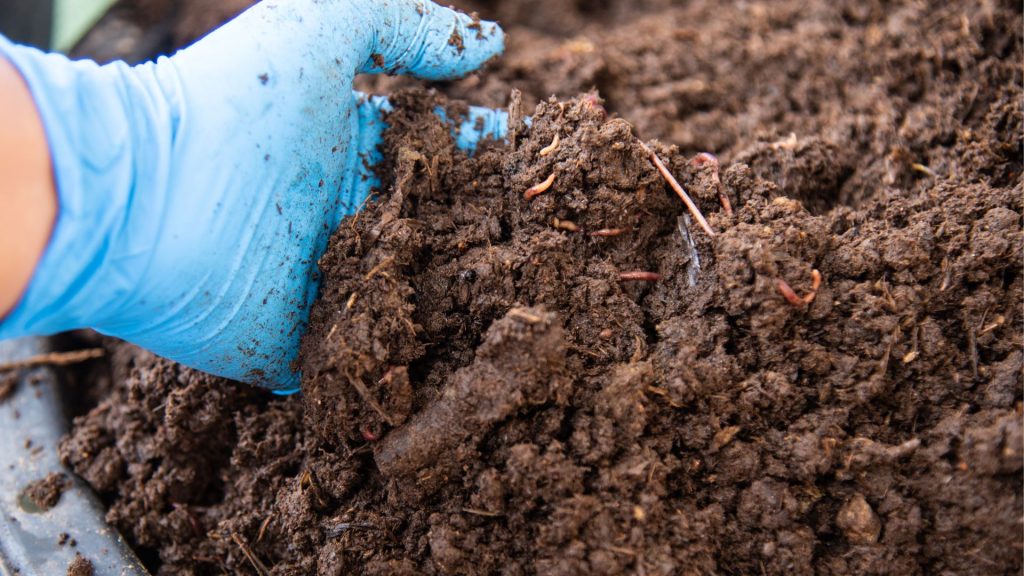
In addition to acidity, blueberries also require soil that is rich in organic matter. Incorporate compost or well-rotted manure into the soil to improve texture and nutrient content.
5. Watering: Keep the Soil Moist but Not Waterlogged
Blueberries have shallow root systems and need consistent moisture to thrive. However, it’s important not to overwater, as blueberries are sensitive to root rot. Here’s how to water your blueberry bushes effectively:
- Drip Irrigation: The best way to water blueberries is with a drip irrigation system or a soaker hose. This ensures that the water reaches the root zone without wetting the foliage, which can encourage disease.
- Mulch: Mulch helps retain moisture and keeps the roots cool. A 2-3 inch layer of mulch made from wood chips, pine needles, or straw will help conserve moisture and suppress weeds.
- Deep Watering: Blueberries need deep watering to encourage their roots to grow down into the soil. Water the plants thoroughly, but allow the top inch or two of soil to dry out between waterings.
During the fruiting season, it’s particularly important to maintain consistent moisture levels to prevent the berries from becoming dry or shriveled.
6. Fertilizing: Feed Your Blueberries Properly
Blueberries are sensitive to over-fertilization, so it’s important to feed them with the right nutrients at the right time. Too much nitrogen can lead to excessive leaf growth at the expense of fruit production.
- Use Acidic Fertilizer: Choose a fertilizer specifically formulated for acid-loving plants like blueberries. These fertilizers provide the right balance of nutrients and help maintain the soil’s acidity.
- Fertilize in Early Spring: Apply fertilizer in early spring as the plants begin to grow, but avoid fertilizing too late in the season, as this can encourage late-season growth that’s vulnerable to frost.
- Organic Fertilizers: Organic options like fish emulsion or blood meal are great for blueberries and can help improve soil health over time.

7. Pruning: Shape and Maintain Your Bushes
Proper pruning is essential for maximizing blueberry yields. While blueberries are fairly low-maintenance, regular pruning can improve air circulation, remove dead wood, and encourage better fruit production.
- Prune in Late Winter or Early Spring: Before new growth begins, remove any dead, damaged, or weak branches. This will help the plant focus its energy on producing new, healthy growth.
- Remove Old Wood: Blueberries bear fruit on second-year wood, so it’s important to prune out older, less productive branches to make room for new growth.
- Thin the Bush: Aim to keep the center of the bush open by removing some of the smaller, inward-growing branches. This improves airflow and reduces the risk of disease.
8. Protecting Your Blueberries from Pests and Diseases
Blueberries are relatively pest-resistant, but they can still fall prey to certain insects and diseases, especially when stressed. Here’s how to keep your bushes healthy:
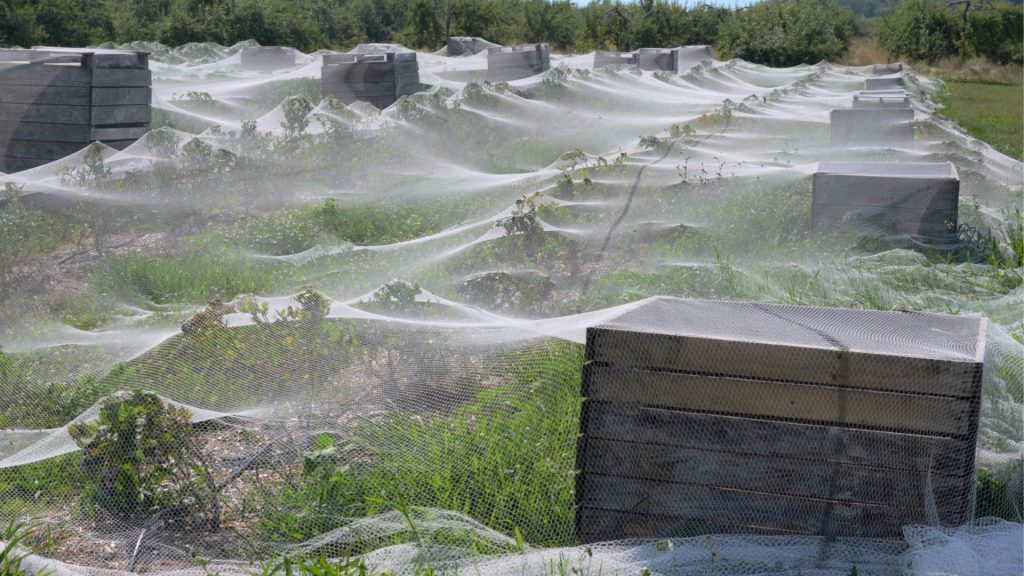
- Bird Netting: Blueberries are a favorite treat for birds, so using bird netting is an effective way to protect your harvest.
- Insect Control: Aphids, spider mites, and blueberry maggots can sometimes infest blueberries. Use organic insecticides like neem oil or insecticidal soap if needed.
- Disease Prevention: Fungal diseases like powdery mildew or botrytis can affect blueberries. Prune regularly to maintain airflow and reduce humidity around the plants, and avoid overhead watering to keep the leaves dry.
9. Harvesting Blueberries
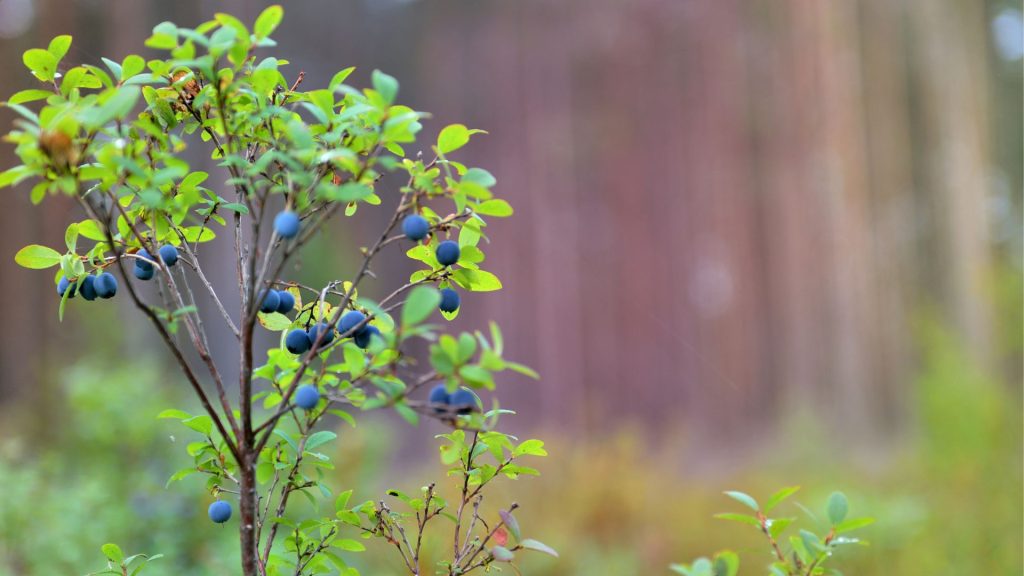
Blueberries ripen at different times depending on the variety, but generally, you’ll know your berries are ready for harvest when they are fully blue and firm to the touch. Unlike other fruits, blueberries don’t ripen all at once, so you may need to pick them in stages over a few weeks.
Use a gentle touch when harvesting, as blueberries are delicate. A small harvesting bucket or tray works well to collect the fruit without squashing it.
Sunny Thoughts
With the right care and attention, your blueberry bush can produce an abundance of delicious berries year after year. By selecting the right variety, planting in the right location, maintaining the soil, and keeping pests and diseases at bay, you can enjoy the sweet reward of a bountiful harvest.
Do you have any tips or tricks for growing blueberries that you’ve learned over the years? Or maybe you’ve experienced a challenge with your blueberry bushes that you’d like help with? Share your experiences and questions in the comments below!


