
8 Simple Ways to Raise Humidity and Keep Your Plants Happy
If you’ve ever noticed your beloved houseplants looking a little droopy, crispy, or yellowing, it might be time to take a closer look at their environment — specifically, the humidity level. While we’re all familiar with the importance of water, light, and soil, humidity is an often overlooked factor that can play a major role in the health and vitality of your plants.
Many houseplants, particularly tropical varieties, thrive in environments with higher humidity levels. In fact, plants like ferns, orchids, and peace lilies require more moisture in the air to thrive and grow. Unfortunately, the dry, indoor air we experience during colder months or in air-conditioned spaces can lead to stress for these humidity-loving plants. Luckily, there are many simple and effective ways to increase humidity and create the ideal environment for your green friends to flourish.
In this post, we’ll walk you through the different methods you can use to boost humidity for your houseplants, from basic tricks to more advanced solutions. By the end, you’ll have the tools you need to keep your plants healthy and happy all year round.
Why Does Humidity Matter for Houseplants?
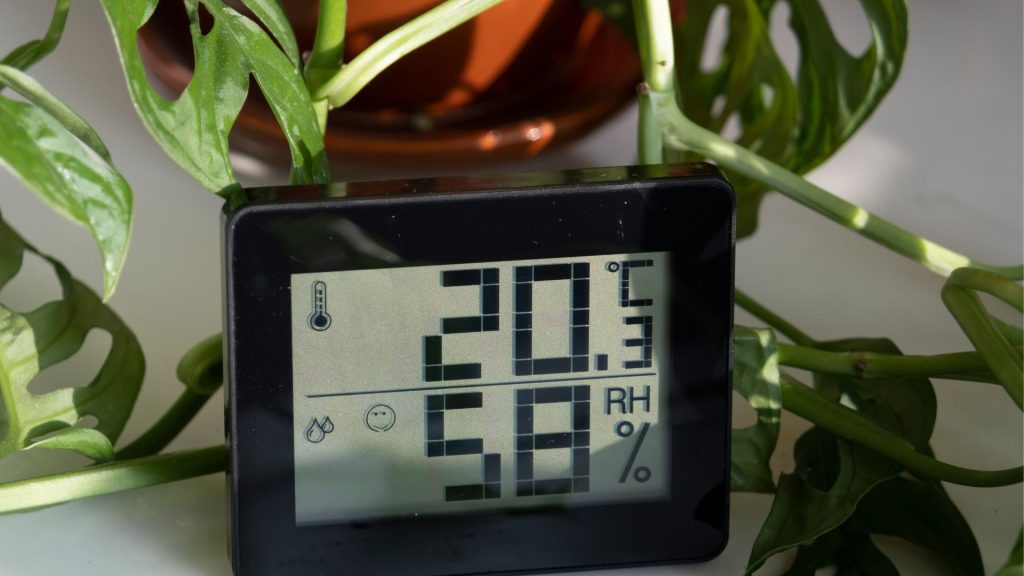
Before diving into the methods for increasing humidity, let’s first understand why it’s so important for your houseplants. Humidity refers to the amount of moisture in the air, and it plays a significant role in how plants absorb water through their leaves and roots. Plants take in moisture through small openings called stomata, which are primarily found on the leaves. When the air is too dry, the stomata can close, limiting the plant’s ability to absorb water and leading to issues like wilting, browning leaf tips, and poor growth.
Certain plants, especially those that originate from tropical climates, require higher humidity levels to thrive. These plants, like ferns, calatheas, and tropical palms, have evolved to grow in environments where humidity is naturally high. If you live in an area with low humidity — or if your indoor environment is dry due to heating or air conditioning — it can cause your plants to suffer, and even stunt their growth. Raising the humidity in your home can help your plants stay healthy, vibrant, and beautiful.
Signs Your Plants Need More Humidity
Knowing when to adjust the humidity levels for your plants can be tricky, but there are a few signs to look out for:
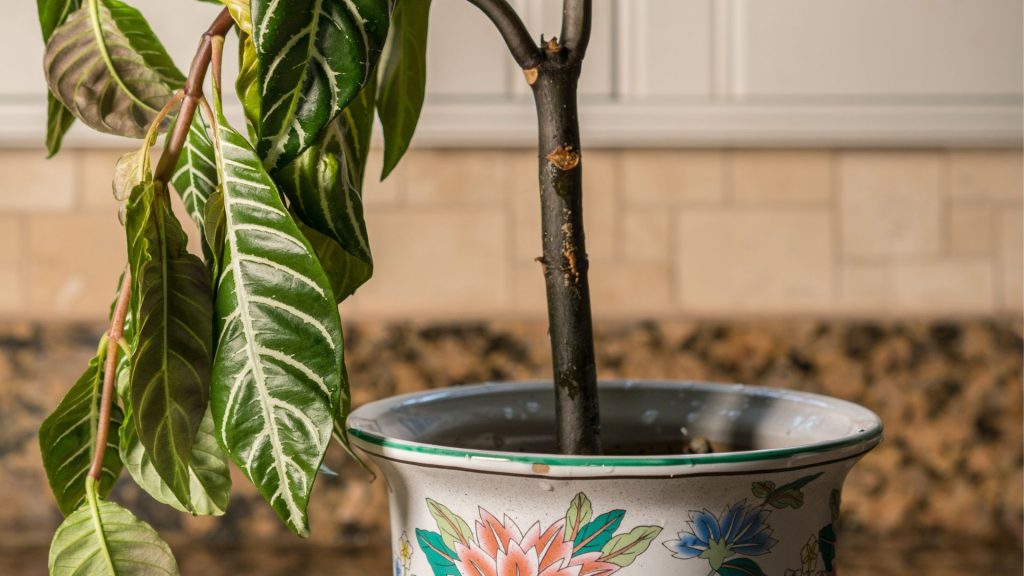
- Crispy or Browning Leaf Edges: If the tips or edges of your plant’s leaves are turning brown and crispy, it’s often a sign that the air around your plant is too dry.
- Leaf Curling or Wilting: When a plant isn’t getting enough moisture, its leaves might curl or droop as it tries to conserve water.
- Yellowing Leaves: While yellowing leaves can indicate several problems, one common culprit is dry air, particularly for humidity-loving plants.
- Leaf Drop: Some plants might drop leaves when they’re stressed from low humidity, as they struggle to retain moisture.
If you notice any of these symptoms, it’s time to consider raising the humidity in your plant’s environment.
How to Increase Humidity for Your Houseplants
Now that you understand the importance of humidity, let’s explore some of the best ways to increase moisture levels for your plants.
1. Group Your Plants Together
One of the simplest and most natural ways to increase humidity is by grouping your plants together. Plants release moisture into the air through a process called transpiration, where water moves from the roots to the leaves and is then released as vapor. When plants are grouped closely together, they create a mini greenhouse effect, with higher humidity levels in the air around them.
Pro Tip: When you group plants together, make sure they’re all compatible in terms of their light and temperature requirements. Grouping plants with similar needs will help them thrive.
2. Use a Humidifier
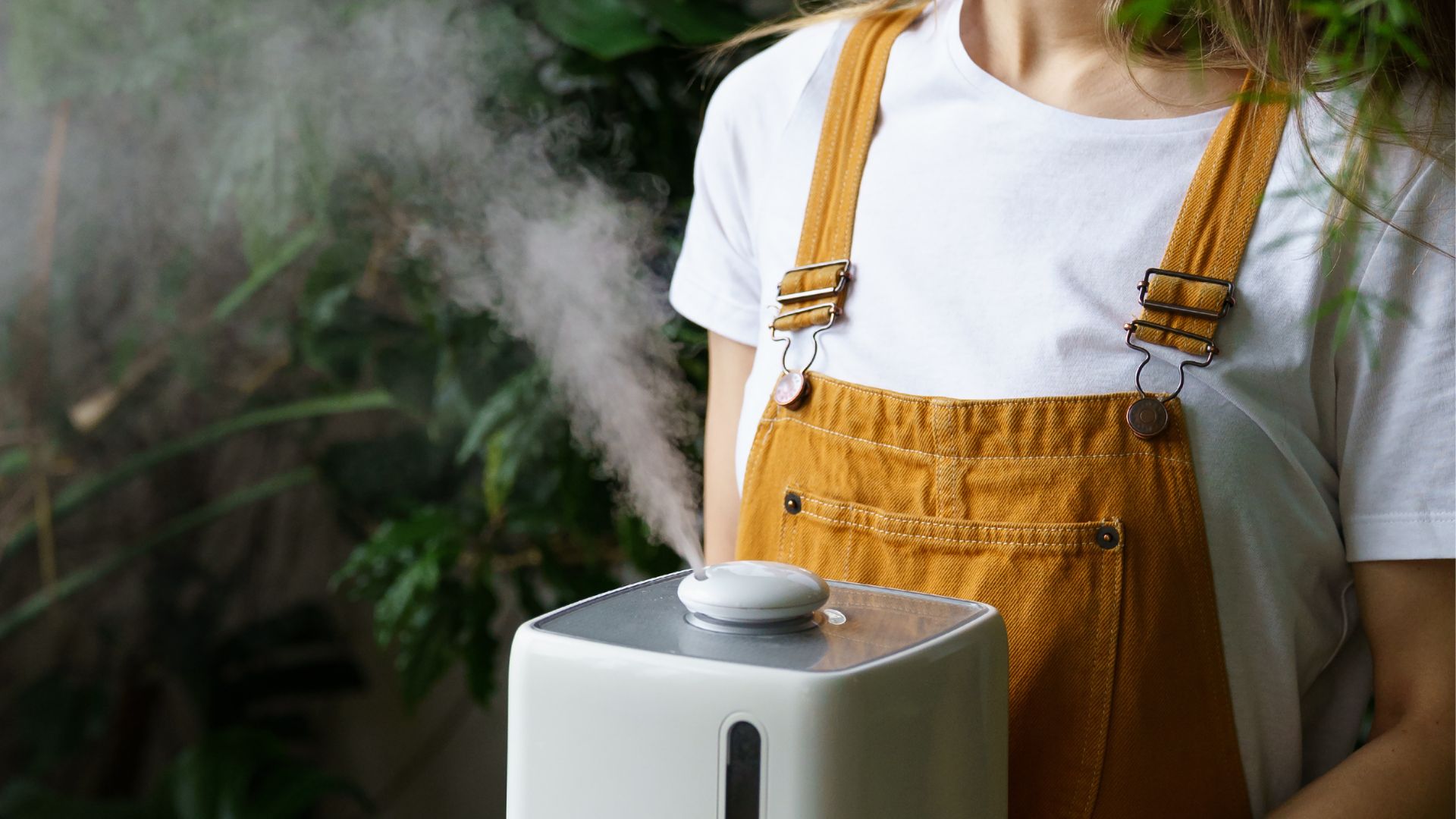
A humidifier is one of the most effective ways to raise the humidity in your home. Simply place a humidifier near your plants to add moisture to the air. It’s particularly useful during winter when the air tends to be dry due to indoor heating. You can set the humidifier to run continuously or use it intermittently depending on the humidity levels you need.
Pro Tip: To maximize the benefits, position the humidifier close to your plants but not directly on top of them. This allows the moisture to disperse throughout the room without overwhelming the plants with excessive water.
3. Place Plants on a Tray of Pebbles and Water
A simple and affordable way to boost humidity is by placing your plants on a tray filled with pebbles and water. The water will slowly evaporate, increasing the moisture in the air around your plants. To set this up, fill a shallow tray or dish with pebbles, then add enough water to cover the stones. Make sure the water level stays below the top of the pebbles, so your plants don’t sit in water.
Pro Tip: This method works best when the tray is placed near a sunny window. The warmth from the sun will speed up the evaporation process, providing a constant source of moisture for your plants.
4. Misting Your Plants
Misting is a quick and easy way to temporarily increase humidity around your plants. Simply use a spray bottle to lightly mist the leaves of your plants, being sure not to soak them. This can be especially effective for plants like ferns, orchids, and air plants that enjoy a boost of moisture. Misting is best done early in the day so the water has time to evaporate before the temperature drops at night.
Pro Tip: Avoid misting during the evening, as moisture sitting on your plants overnight can promote fungal diseases like powdery mildew.

5. Create a DIY Humidity Tent
For plants that need extra moisture, consider creating a humidity tent using clear plastic. This is especially helpful for new plants or cuttings that need a controlled environment to thrive. Simply cover your plant with a clear plastic bag or dome, creating a mini greenhouse. Make sure there are holes for ventilation so that the plant doesn’t get too humid and start to rot.
Pro Tip: Keep an eye on your humidity tent and remove it when the plant has settled in, as over-humidification can sometimes cause problems with mold or fungus.
6. Use Larger Pots or Containers
Larger pots can help with humidity retention, as they hold more moisture in the soil. While they won’t directly increase the humidity in the air, they do help maintain the moisture levels around the roots, which can make a big difference for moisture-loving plants.
Pro Tip: When repotting, choose a pot that’s only one size larger than the current one to avoid root rot, as larger pots can hold excess moisture and cause issues if the plant is overwatered.
7. Monitor and Adjust Room Temperature
The temperature in your home also impacts humidity levels. Plants thrive in stable temperatures, typically between 65°F and 75°F (18°C to 24°C). Avoid placing your plants near drafts, radiators, or air conditioning units, as these can dry out the air. Instead, find a consistent, warm location that will encourage moisture retention in the air.
Pro Tip: If you’re using a humidifier or other methods to increase humidity, ensure the room temperature remains consistent to prevent fluctuations that could stress your plants.
8. Invest in an Indoor Greenhouse
If you’re a dedicated plant enthusiast, investing in a small indoor greenhouse or terrarium can be an ideal solution for maintaining high humidity levels. These controlled environments help your plants thrive by providing optimal moisture and warmth. Greenhouses come in various sizes and can be used to house multiple plants or just a few humidity-loving species.
Pro Tip: Indoor greenhouses are especially helpful for growing delicate plants like orchids or tropical palms that need consistent high humidity.

Final Thoughts
Increasing the humidity for your houseplants is a key step in creating an environment where your plants can truly thrive. Whether you choose to mist your plants, use a humidifier, or group them together, the right humidity can make a world of difference. By paying attention to the specific needs of your plants, you can help them grow healthy, vibrant, and happy.
What methods have you used to increase humidity for your plants? Do you have any other tips to share with fellow plant parents? Let us know in the comments below — we’d love to hear from you!


