How to Create a Thriving Homestead on Just a Quarter-Acre of Land
The dream of homesteading often evokes images of sprawling farms with acres of land and endless crops. But what if you don’t have a large piece of property? Can you still create a homestead and live sustainably on just a quarter of an acre? The answer is a resounding yes! A quarter of an acre may seem small, but with the right planning, creative thinking, and a lot of passion, you can transform that space into a productive and self-sufficient homestead.
Whether you’re looking to grow your own food, raise animals, or reduce your environmental footprint, homesteading on a quarter of an acre is a very achievable goal. In this post, we’ll walk you through the essentials of homesteading on a small plot of land, covering everything from gardening to animal husbandry, sustainability practices, and more.
1. Start with a Plan: Mapping Your Homestead
Before you start planting crops or building structures, the first step in homesteading on a quarter of an acre is planning. The key to successfully homesteading in a small space is maximizing the use of your land and ensuring that every area serves a purpose.
Assess Your Space:
Measure your lot and take note of how much sunlight each section receives. Think about where the wind typically comes from, which areas get the most shade, and where the water drains after a rainstorm. This will help you decide where to place your garden, any animal housing, compost bins, and outdoor living spaces.
Create Zones:
Homesteading can be broken down into several “zones” within your quarter-acre. For example, your garden can take up one section, while another section might be dedicated to chickens or goats. Consider creating a layout that divides your land into manageable sections. You may also want to create paths to make it easy to get from one area to another, making your homestead feel more cohesive and accessible.
Plan for Efficiency:
Remember, every inch counts! Plan your garden and animal spaces for maximum efficiency. Raised beds, vertical gardening, and container gardening are great ways to grow more in less space. Consider using your walls, fences, or even your house to grow climbing plants like beans, peas, or squash. Use your vertical space wisely and avoid wasting any opportunity.

2. Growing Your Own Food: The Heart of Homesteading
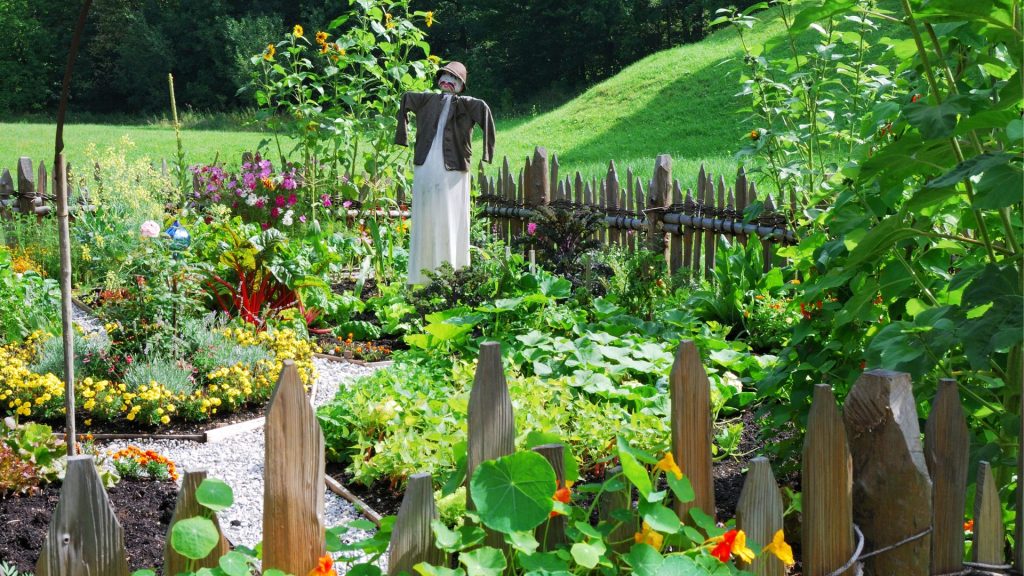
When it comes to homesteading, growing your own food is often the most satisfying and rewarding aspect. A quarter-acre may not sound like a lot of space, but there are plenty of ways to maximize your growing potential. Here are some tips to help you grow food sustainably in a small space:
Start with Raised Garden Beds:
Raised garden beds are ideal for small homesteads because they’re easier to manage, promote healthy root growth, and improve soil drainage. You can plant a variety of vegetables in raised beds, including leafy greens, root crops, and herbs. The elevated nature of the beds also makes it easier to tend to plants, reducing the need to bend down constantly.
Use Vertical Gardening:
As mentioned earlier, vertical gardening allows you to make the most of your space by growing plants upwards. Install trellises, towers, or plant shelves to grow climbing vegetables like cucumbers, tomatoes, and peas. You can also hang baskets of strawberries or herbs along fences or walls, freeing up precious ground space.
Plant High-Yield Crops:
If you’re limited on space, consider growing high-yield crops that give you the most return on your investment. Tomatoes, squash, peppers, carrots, and leafy greens like spinach and kale are all relatively easy to grow and highly productive. Also, consider planting fruiting plants like strawberries, raspberries, or dwarf fruit trees, which can yield harvests year after year.
Practice Succession Planting:
To make the most of your garden space, practice succession planting. This means planting a new crop as soon as you harvest the old one. For example, after you harvest early-season lettuce, you can immediately plant a second crop of radishes or beans. Succession planting ensures that you have a continuous harvest and don’t leave any beds empty.
3. Raising Animals: Adding Livestock to Your Homestead
A quarter-acre might not be enough space for large animals like cows or pigs, but it’s plenty of room for smaller livestock that can provide eggs, milk, and even meat. Chickens, rabbits, and goats are great options for homesteading on a small lot.
Chickens:
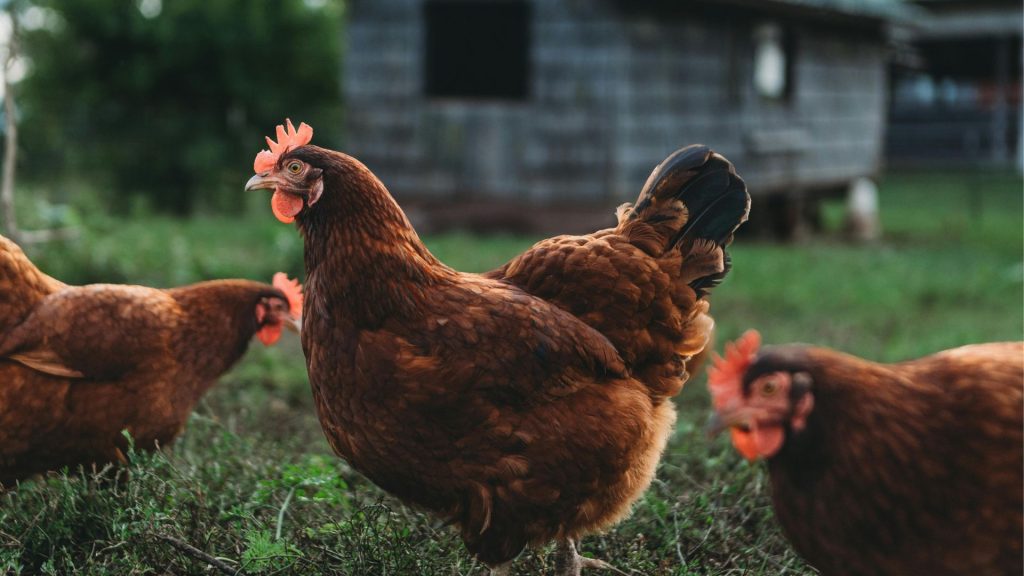
Chickens are probably the most popular small livestock for homesteaders. They require minimal space and provide fresh eggs regularly. A small chicken coop, ideally with an attached run for them to roam, can fit comfortably on your quarter-acre. You can also keep a small flock of chickens in your backyard to help with pest control and even use their manure to fertilize your garden.
Rabbits:
Rabbits are another great option for small homesteaders. They require very little space, and their manure is an excellent fertilizer for your garden. You can also raise rabbits for meat, which is a lean and sustainable protein source. Their compact cages can be stacked vertically or kept in a corner of your homestead, maximizing your space.
Goats:
If you have a little more room and enjoy dairy products, a small dairy goat might be a good fit. Goats provide milk, which can be used to make cheese, yogurt, or soap. They also have a friendly and curious nature, making them enjoyable additions to your homestead. Keep in mind that goats do need some fencing to keep them safe and contained.
Beekeeping:
For the ultimate sustainable homesteader, beekeeping is a fantastic addition to any small property. Bees provide honey, wax, and pollination for your garden, which can lead to bigger harvests. While beekeeping requires some learning and management, it’s a wonderful way to contribute to the environment while reaping the benefits of their hard work.
4. Sustainability Practices: Reduce, Reuse, and Recycle
Sustainability is at the core of homesteading, and living on a quarter-acre provides ample opportunity to reduce your environmental impact. Here are a few sustainable practices that can help you become more self-sufficient:
Rainwater Harvesting:
Collecting rainwater is a simple and effective way to conserve water and reduce your reliance on municipal water sources. Install rain barrels at downspouts to collect water for use in your garden or for animal watering. Just be sure to use non-toxic materials and clean the barrels regularly to prevent contamination.
Composting:
Composting is an easy way to recycle kitchen scraps, yard waste, and even certain types of paper into nutrient-rich soil. Create a compost pile or use a compost bin to turn food scraps into compost that you can use to nourish your garden. This reduces waste and helps you grow healthier plants.
Solar Power:
Consider installing solar panels to power parts of your homestead, such as lights or even a small water pump. Solar energy is an eco-friendly way to reduce your energy consumption and dependence on fossil fuels.
Grow Your Own Composting Materials:
You can grow your own composting materials right on your homestead by planting nitrogen-fixing plants like clover, peas, or beans. These plants add nutrients to the soil and can be used in your compost pile to improve soil health.
5. Energy-Efficient and Low-Cost Living
Living on a quarter-acre also means being resourceful with how you spend your money. Homesteading can be an opportunity to cut down on costs, reduce waste, and live more sustainably.
Build or Buy Affordable Structures:
Instead of building large, expensive structures, consider more affordable, DIY options. Chicken coops, rabbit hutches, and even small greenhouses can often be made with recycled materials or purchased as prefabricated kits. Many homesteaders build their own sheds, compost bins, and other structures to save money and reduce waste.
DIY Food Preservation:
One of the key skills for a successful homesteader is the ability to preserve food. You can can, freeze, or dehydrate your garden’s harvest to keep food available year-round. Learning how to preserve food can help you reduce grocery store trips, lower food waste, and provide for your family during the colder months.

6. Enjoy the Fruits of Your Labor: A Homestead Lifestyle
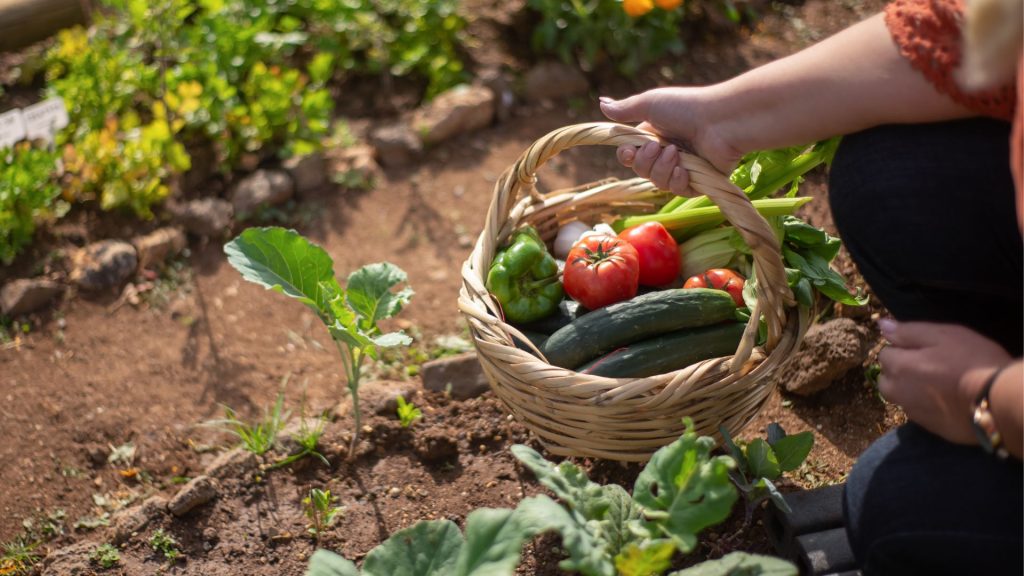
Homesteading is about more than just growing food and raising animals—it’s a lifestyle. It’s about taking control of your food sources, reducing your environmental impact, and living more sustainably. The rewards of homesteading are deeply fulfilling, and they extend beyond just saving money or eating fresh produce. You’ll find joy in working with your hands, in creating something with your own effort, and in enjoying the fruits of your labor.
My Sunny Thoughts
Homesteading on a quarter of an acre is more than possible—it’s a wonderful opportunity to live sustainably, grow your own food, and enjoy a more self-sufficient lifestyle. With the right planning, creativity, and dedication, you can make the most of your small plot of land and turn it into a productive, sustainable homestead that benefits you, your family, and the planet.
Have you started homesteading on a small plot of land? What tips or advice would you give to someone just starting out? Share your thoughts in the comments below!