
Grow Tulips That Bloom Every Year: Our Top Picks for Perennial Beauty
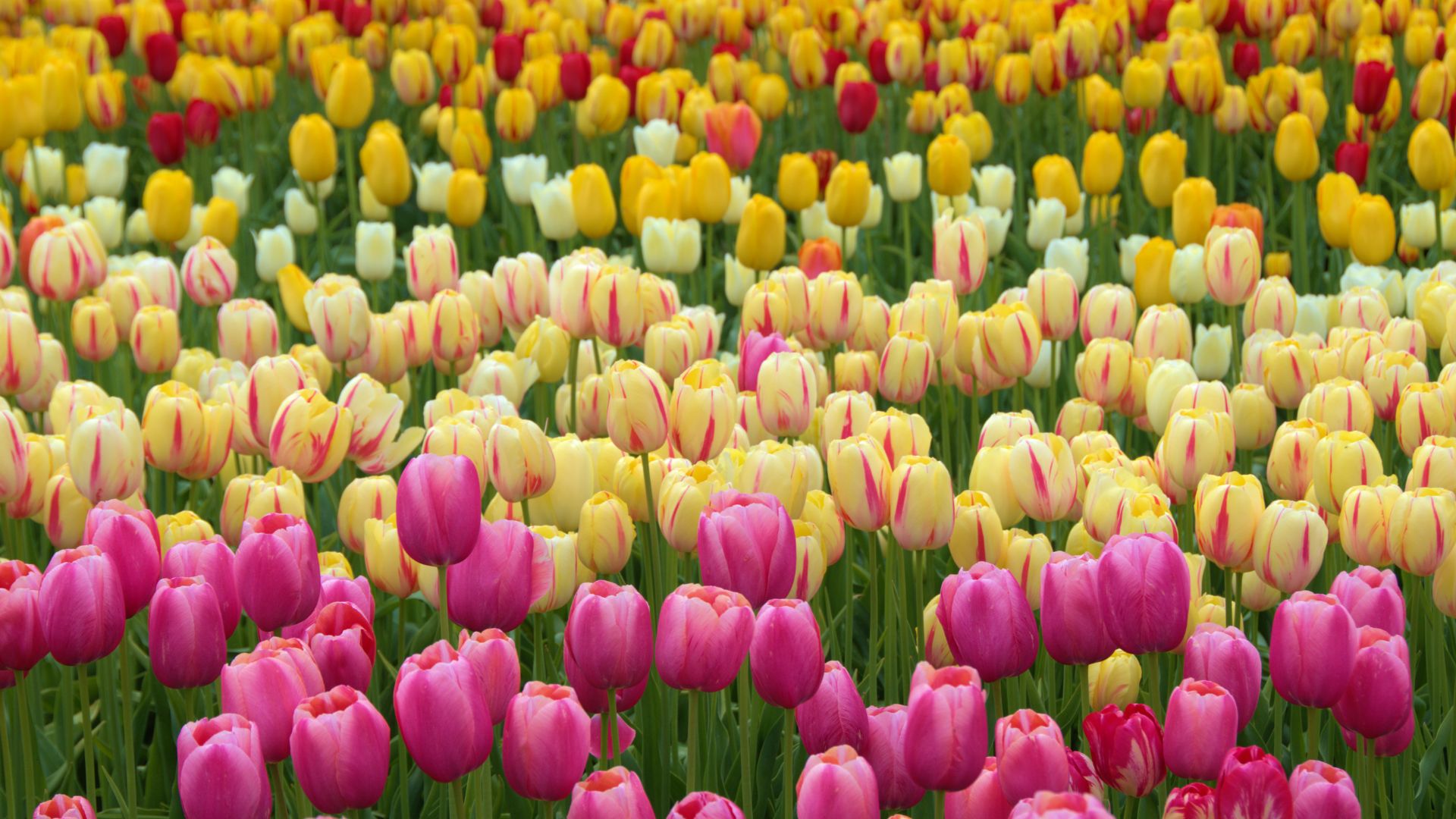
Tulips are some of the most beautiful flowers that brighten up gardens every spring with their vibrant colors and elegant blooms. While most tulips are traditionally grown as annuals, many gardeners wonder: are there tulips that come back every year? The good news is that there are indeed tulip varieties that are perennial, and they can return year after year, offering a stunning display without needing to be replanted each fall. In this post, we’ll cover everything you need to know about tulips that come back every year, including the best varieties, care tips, and how to ensure your tulips keep coming back season after season.
What Makes a Tulip Perennial?
Before we dive into which tulips come back year after year, it’s important to understand what makes a tulip perennial. Perennial tulips are varieties that naturally bloom year after year, unlike traditional tulips that are typically grown as annuals, meaning they need to be replanted each year.
The key to perennial tulips lies in their ability to produce strong, healthy bulbs that can survive through the winter and bloom again in the spring. These tulips tend to be more resistant to diseases, pests, and harsh weather conditions, making them better suited for long-term growth in your garden.
Best Tulips That Come Back Every Year
Not all tulip varieties are created equal, and if you’re looking for tulips that will reliably return year after year, there are a few varieties that stand out. Below, we’ll highlight the top tulips known for their perennial qualities.
1. Tulip ‘Red Emperor’
This bold and beautiful tulip features large, striking red blooms that are perfect for adding a dramatic touch to any garden. ‘Red Emperor’ is a species tulip (Tulipa fosteriana), which makes it particularly well-suited for perennial growth. These tulips are known for their ability to return year after year, and their flowers are some of the first to bloom in spring, providing a brilliant pop of color.
Growing Conditions:
- Sun: Full sun to partial shade
- Soil: Well-draining soil
- Zones: 3-7
- Size: 12-18 inches tall
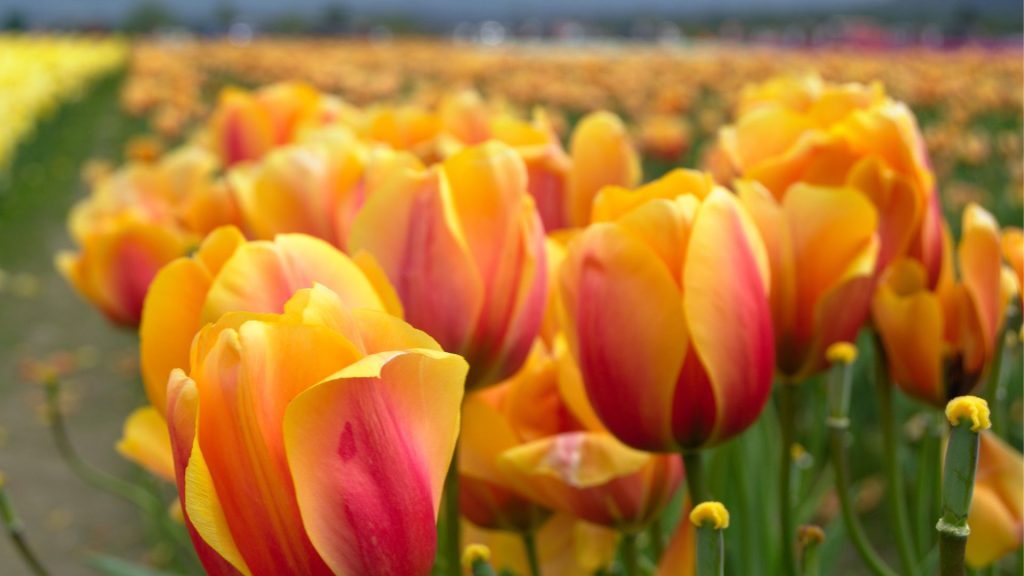
2. Tulip ‘Apeldoorn’
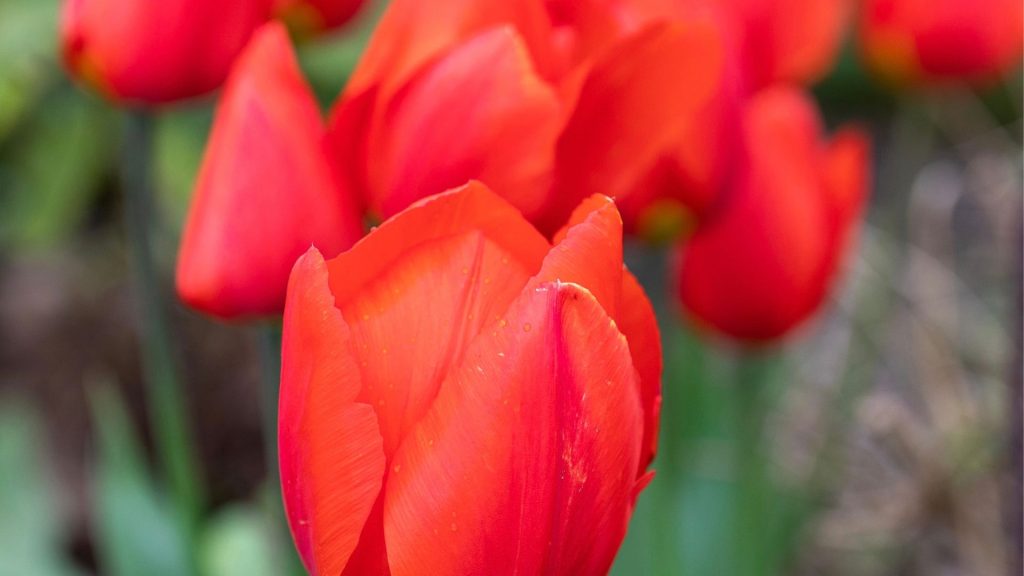
‘Apeldoorn’ is a classic and one of the most popular perennial tulips. This variety features striking orange-red blooms with a yellowish base that contrast beautifully with green foliage. It’s known for being a reliable perennial, coming back each year with little maintenance.
Growing Conditions:
- Sun: Full sun
- Soil: Well-drained, slightly acidic soil
- Zones: 3-8
- Size: 16-18 inches tall
3. Tulip ‘Angelique’
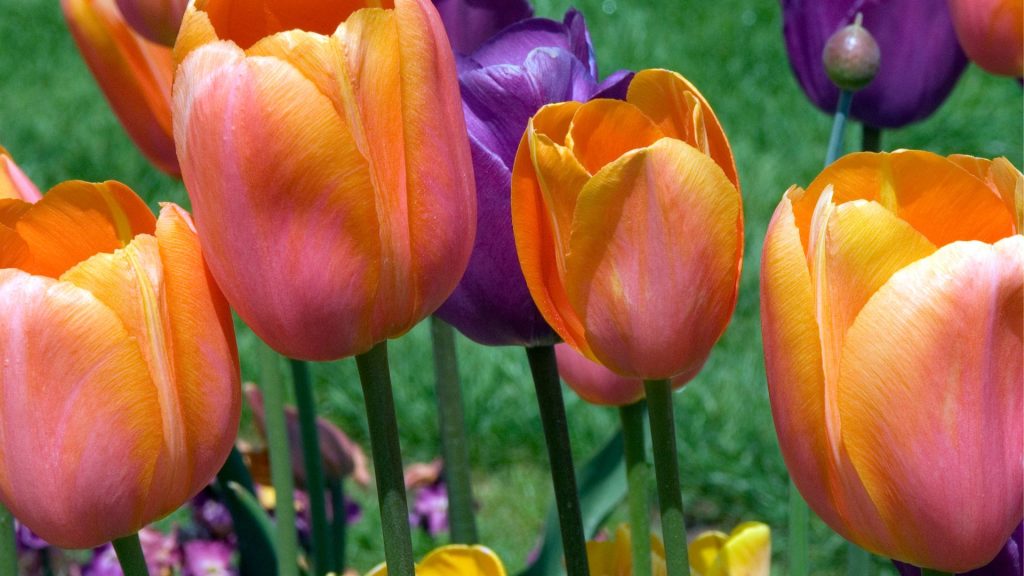
If you’re looking for a soft, romantic color scheme in your garden, ‘Angelique’ is a wonderful choice. These tulips have lovely pink, peony-like blooms that will enchant you every spring. While they are not as long-lived as some other varieties, ‘Angelique’ can still be grown as a perennial with proper care.
Growing Conditions:
- Sun: Full sun to partial shade
- Soil: Well-drained soil with a slightly acidic pH
- Zones: 3-7
- Size: 12-14 inches tall
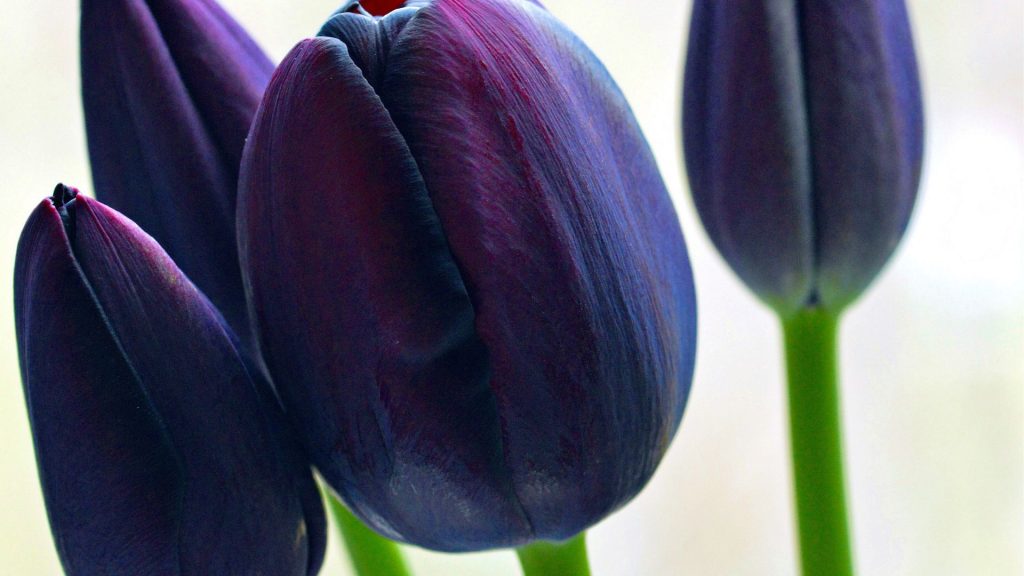
4. Tulip ‘Queen of Night’
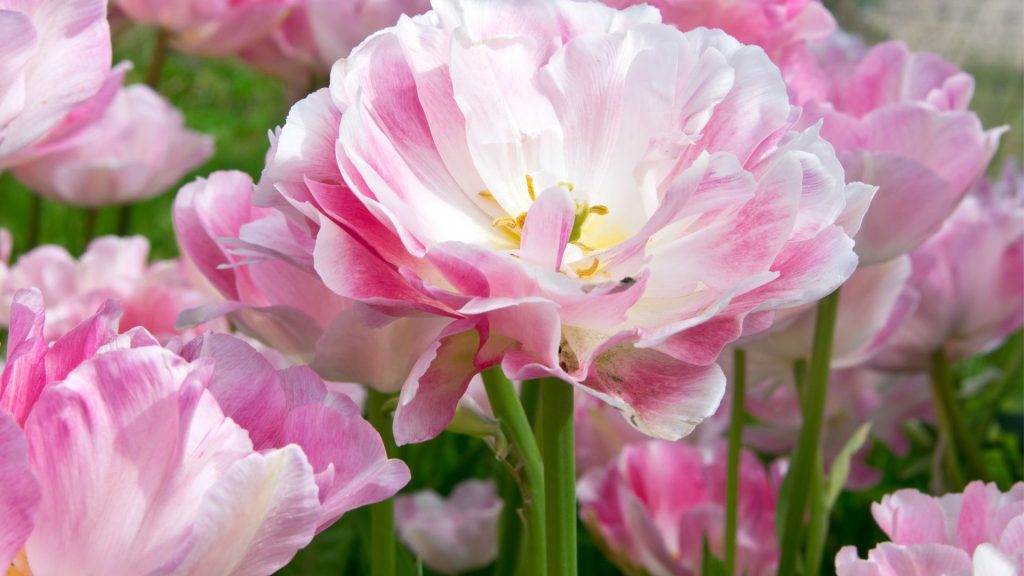
For something a bit more dramatic, ‘Queen of Night’ is a stunning dark purple, almost black tulip that is often used to add an elegant and mysterious flair to a garden. These tulips are known for their ability to naturalize and come back year after year, making them a favorite among perennial tulip gardeners.
Growing Conditions:
- Sun: Full sun
- Soil: Well-drained soil
- Zones: 3-8
- Size: 18-20 inches tall
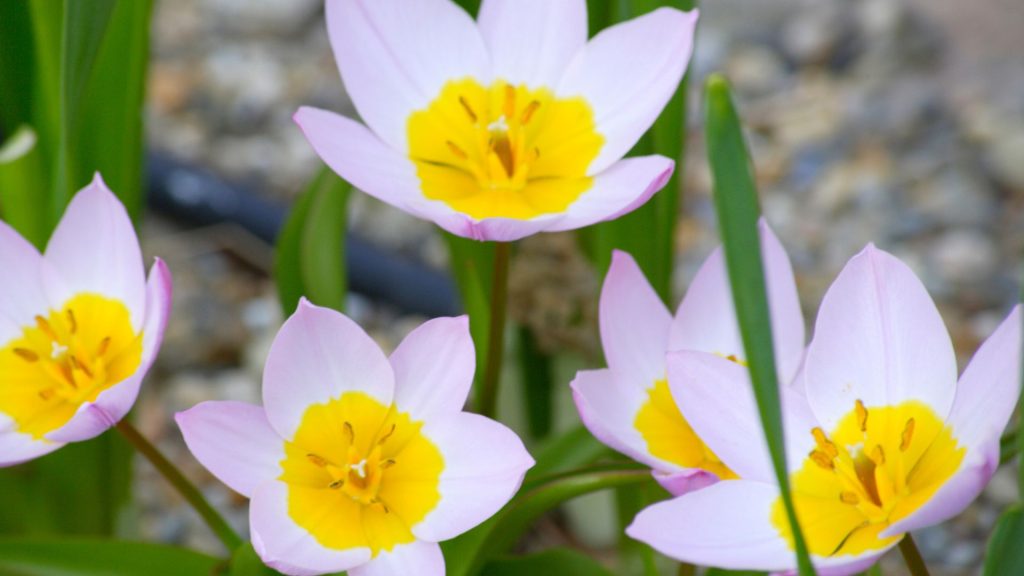
5. Tulip ‘Batalini’
For a shorter, more compact tulip variety, consider the ‘Batalini’ tulip. These small, yellow-flowered tulips are perfect for rock gardens, borders, or containers, and they will reliably return each year. They are also one of the more cold-hardy tulips, making them ideal for northern gardens.
Growing Conditions:
- Sun: Full sun
- Soil: Well-draining, slightly acidic soil
- Zones: 3-7
- Size: 6-8 inches tall

6. Tulip ‘Fosteriana’ (Species Tulips)
The entire group of Fosteriana tulips (such as ‘Orange Emperor’ and ‘Red Emperor’) are known for being among the most reliable perennial tulips. These tulips bloom early in the spring and come in a range of colors, from bold reds to soft yellows and oranges. Their ability to naturalize and return year after year makes them ideal for low-maintenance gardeners.
Growing Conditions:
- Sun: Full sun
- Soil: Well-draining soil
- Zones: 3-7
- Size: 12-18 inches tall
7. Tulip ‘Darwin Hybrid’
The ‘Darwin Hybrid’ tulips are another great option for gardeners seeking reliable perennial tulips. They produce large, vibrant flowers in shades of red, yellow, pink, and orange, making them a versatile option for any garden. Darwin hybrids are also famous for their long-lasting blooms and ability to come back each year.
Growing Conditions:
- Sun: Full sun
- Soil: Well-drained soil
- Zones: 3-8
- Size: 18-24 inches tall
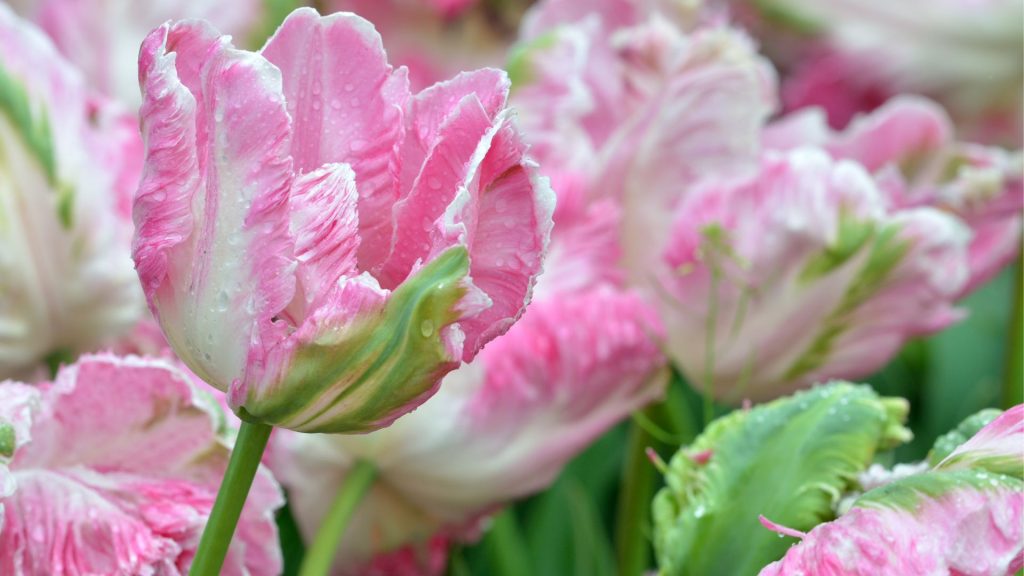
8. Tulip ‘Parrot Tulips’
Known for their dramatic, ruffled petals and unique color patterns, parrot tulips like ‘Green Wave’ and ‘Flaming Parrot’ are truly striking. While some varieties of parrot tulips may be a bit less hardy than others, many gardeners have had success with them as perennials, especially when grown in the right conditions.
Growing Conditions:
- Sun: Full sun
- Soil: Well-drained, slightly acidic soil
- Zones: 3-7
- Size: 12-18 inches tall
How to Ensure Your Tulips Come Back Every Year
While the above tulips are known for their perennial qualities, ensuring they come back every year involves a little extra care. Here are a few tips to help you get the most out of your tulips and keep them blooming year after year.
1. Proper Planting
Plant tulip bulbs in the fall before the first hard frost. The ideal planting depth is about 6 to 8 inches, with the pointed end of the bulb facing upwards. Plant them in well-drained soil that is rich in organic matter. Good drainage is essential to prevent the bulbs from rotting over the winter.
2. Sunlight and Watering
Tulips love the sun, so plant them in a location that receives full sun for at least six hours a day. After planting, water the bulbs well to encourage rooting, but be sure not to overwater as soggy soil can cause rot. Once they’re established, tulips don’t need much water, so make sure the soil is allowed to dry out between waterings.
3. Fertilization
Tulips don’t require heavy feeding, but it can help to fertilize them in early spring when the shoots start to emerge. Use a low-nitrogen fertilizer or one specifically formulated for bulbs. Avoid over-fertilizing, as this can lead to lush foliage at the expense of blooms.
4. After-Bloom Care
Once your tulips have finished blooming, it’s important not to cut the foliage too soon. Allow the leaves to stay on the plant for a few weeks after blooming so that they can photosynthesize and store energy in the bulb for the next year. Cutting the leaves too early will deprive the bulb of necessary nutrients.
5. Mulching and Winter Care
In colder climates, it’s a good idea to mulch around the tulip bulbs to protect them from freezing temperatures. A layer of mulch will also help retain moisture during dry spells. Tulips are hardy, but a little extra care in winter can make all the difference.
Common Problems and Pests
While tulips are generally low-maintenance, they can fall victim to a few common issues, including:
- Tulip Bulb Rot: This occurs if the bulbs are planted in soggy, poorly-drained soil. To avoid this, ensure the soil is well-drained and avoid overwatering.
- Tulip Fire: This fungal disease causes leaves to turn yellow and curl. To prevent it, avoid overhead watering and remove any infected leaves.
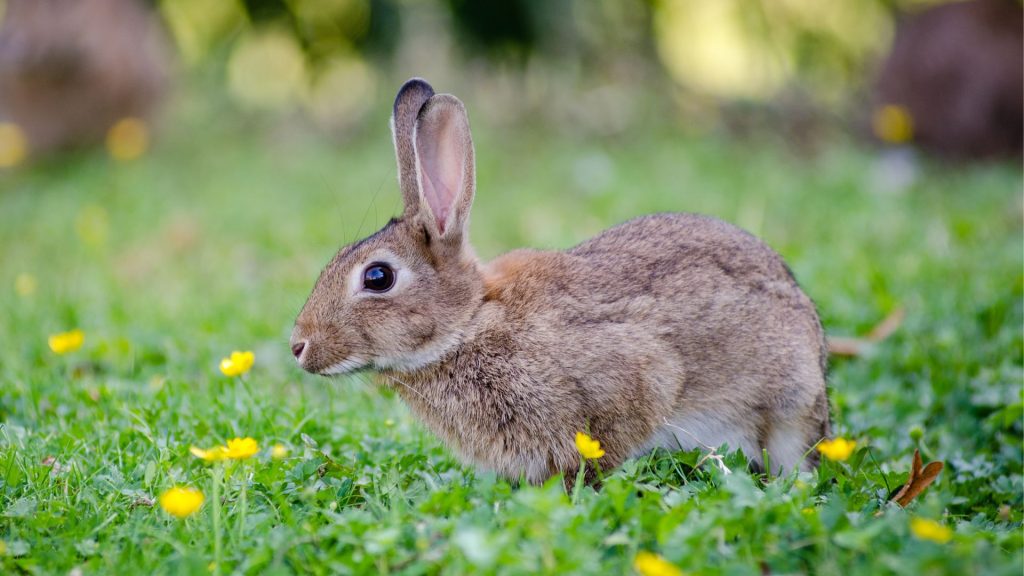
- Pests: Tulips are attractive to pests like aphids, slugs, and rabbits. Keep an eye out for these pests and take action if necessary, such as using natural pest control methods like neem oil or installing a physical barrier to keep rabbits away.
My Sunny Thoughts
Tulips that come back every year are a gardener’s dream, offering reliable, long-lasting beauty with minimal effort. By choosing the right varieties like ‘Red Emperor,’ ‘Apeldoorn,’ and ‘Queen of Night,’ and following a few simple tips for planting and care, you can enjoy a beautiful tulip display every spring without having to replant each year. Keep your tulips happy, and they’ll reward you with stunning blooms for seasons to come!


