Moles and Voles Be Gone: Top Tips for Keeping Them Away from Your Garden
Moles and voles may look like small, harmless creatures, but when they start burrowing in your garden and yard, they can quickly become a nightmare. If you’ve noticed tunnels, mounds, or chewed-up plant roots, you’re probably dealing with one of these garden pests. Fortunately, there are natural ways to get rid of moles and voles without resorting to harmful chemicals. In this post, we’ll explore effective, eco-friendly strategies for getting rid of these critters and how to prevent them from returning in the future.
What’s the Difference Between Moles and Voles?
Before diving into solutions, it’s essential to understand the difference between moles and voles so you can tackle the right problem. Both pests are underground dwellers, but they have different habits.
- Moles: Moles are burrowers, often seen creating raised tunnels in lawns and gardens. These creatures feed primarily on insects, particularly grubs, earthworms, and other soil-dwelling creatures. Moles typically don’t cause damage to plant roots directly but will leave behind unsightly mounds of dirt.
- Voles: Voles are small rodents that resemble mice, often referred to as “meadow mice.” Unlike moles, voles eat plants, particularly the roots, bulbs, and stems of your garden favorites. Voles can cause significant damage to flowers, shrubs, and vegetable gardens as they feed on underground parts of plants.
Now that you know the difference, let’s explore some natural methods for getting rid of them.

Natural Ways to Get Rid of Moles and Voles
- Repel with Strong Scents
Both moles and voles are known to dislike strong smells. Using natural scents to repel them can be an effective and chemical-free solution. Here are a few options to try:
- Castor oil: One of the most commonly used natural repellents for moles and voles, castor oil is toxic to these pests without being harmful to plants or animals. Simply mix castor oil with water and dish soap, then spray the mixture around your garden and yard. It irritates their digestive system and can cause them to leave in search of food elsewhere.
- Garlic and hot pepper spray: Both garlic and hot pepper are potent repellents that can deter moles and voles. Blend a few cloves of garlic with a tablespoon of hot pepper flakes in water, let it sit overnight, and then strain the mixture. Spray it around the garden, focusing on areas where you’ve seen the pests.

- Introduce Natural Predators
One of the most effective ways to manage pests naturally is by inviting their natural predators to your garden. Here are some animals that can help reduce mole and vole populations:
- Owls: These nocturnal birds of prey are excellent at hunting small rodents like voles. If you’re in an area where owls are common, providing a birdhouse or perch can help attract them to your yard.
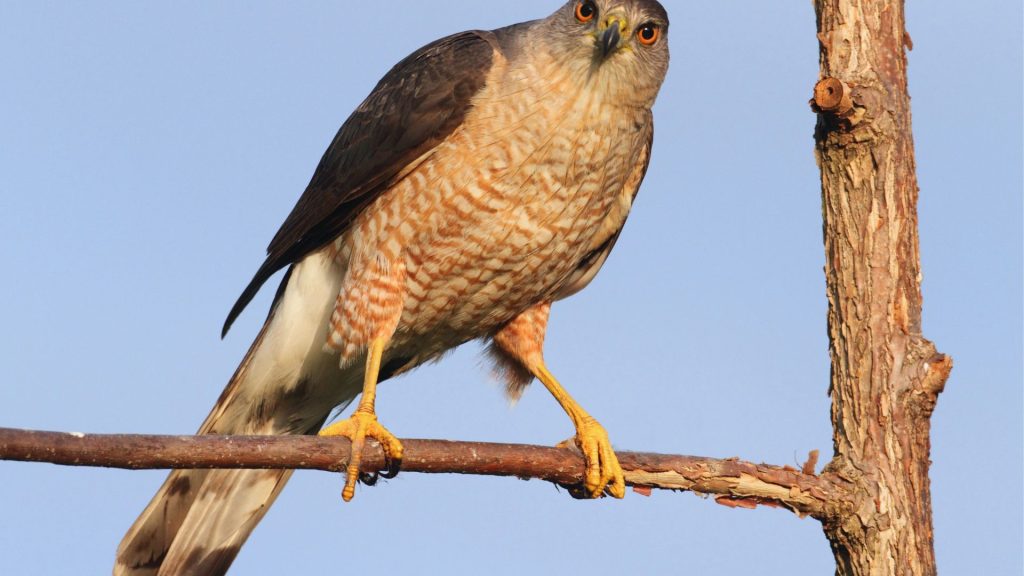
- Hawks: Like owls, hawks prey on small mammals. Installing perches or birdhouses designed for hawks can help keep their populations in check.
- Cats: Outdoor cats can also help keep moles and voles under control. They’ll naturally hunt small creatures like these, reducing the pest population over time.
- Diatomaceous Earth
Diatomaceous earth (DE) is a naturally occurring substance made from the fossilized remains of tiny aquatic organisms called diatoms. DE is a powerful natural pest control method that’s safe for humans, pets, and plants. Sprinkle diatomaceous earth around your garden, especially in areas where you’ve seen mole or vole activity. When these pests come into contact with it, the DE dries out their bodies and ultimately kills them.

- Barrier Methods
If you’re looking for a more physical approach, you can use barriers to prevent moles and voles from gaining access to your garden. Here are some options to consider:
- Wire mesh: Install hardware cloth or wire mesh underground around garden beds and at the base of trees and shrubs. This creates an impenetrable barrier that will keep voles from gnawing on roots and stems.
- Repellent fencing: Use a combination of physical fencing and repellents. Fencing should be buried a few inches into the ground, with the upper part extending above the soil line to deter moles from burrowing in.

- Use Beneficial Plants
There are several plants that are known to naturally repel moles and voles. By incorporating these plants into your garden, you can keep the pests at bay without the use of chemicals. Here are a few to consider:
- Alliums: These flowering plants, which include garlic, onions, and chives, have strong scents that moles and voles dislike. Plant them around the perimeter of your garden to create a natural repellent barrier.
- Marigolds: Known for their bright, cheerful flowers, marigolds also help deter moles and voles with their strong scent. Plant them around garden borders and near vulnerable plants.

- Maintain a Healthy Lawn
A healthy lawn is less likely to attract moles, as they prefer to tunnel in areas with a plentiful food supply. Keep your lawn well-mulched, and make sure to aerate the soil regularly. If you have a problem with grubs or other insects in your lawn, treat them with natural, eco-friendly pest control products like nematodes.
How to Prevent Moles and Voles in the Future
Once you’ve successfully removed moles and voles from your garden, it’s important to take steps to prevent them from returning. Here are a few prevention strategies:
- Keep Your Yard Clean
A clean yard is less likely to attract pests. Remove fallen leaves, twigs, and other debris that can provide shelter for voles and moles. Additionally, mowing your lawn regularly helps eliminate places where these pests can hide.
- Control Grubs and Insects
Moles are drawn to areas rich in insects, especially grubs. To keep them away, consider introducing beneficial nematodes to your soil, which will target and kill soil-dwelling pests like grubs. Keeping your garden free from excess insect populations will make it less appealing to moles.
- Create Natural Barriers
As mentioned earlier, wire mesh and other barriers can help protect your plants and garden from moles and voles. Installing these barriers in high-risk areas will make it much harder for these pests to invade your garden in the future.
- Consider Natural Predators
If you’ve had a problem with moles and voles in the past, attracting natural predators like owls, hawks, and cats can help keep them under control. Installing birdhouses or perches and encouraging outdoor cats can help reduce the likelihood of future infestations.

My Sunny Thoughts
While moles and voles can certainly wreak havoc on your garden, there are many natural, eco-friendly methods available to help you get rid of them and keep them away for good. Whether it’s using strong scents like garlic and castor oil, encouraging natural predators, or installing physical barriers, there are plenty of ways to control these pests without resorting to chemicals. By following these tips and taking preventive measures, you can enjoy a beautiful, pest-free garden all year round.
Have you had any experiences with moles or voles in your garden? Share your tips and tricks in the comments below!