Top 5 Common Houseplant Diseases and How to Cure Them Fast
Houseplants bring life, beauty, and fresh air into your home, but like all living things, they are susceptible to diseases. Even the most seasoned plant parents can face challenges when it comes to keeping their plants healthy. Don’t worry, though! Many common houseplant diseases can be prevented or treated with the right knowledge and care. In this post, we’ll dive into the most common diseases houseplants face, how to fix them, and how to prevent them in the future. Plus, we’ll share some helpful tips on keeping your green friends happy and thriving!
1. Powdery Mildew: The White Dust Invasion
What is Powdery Mildew?
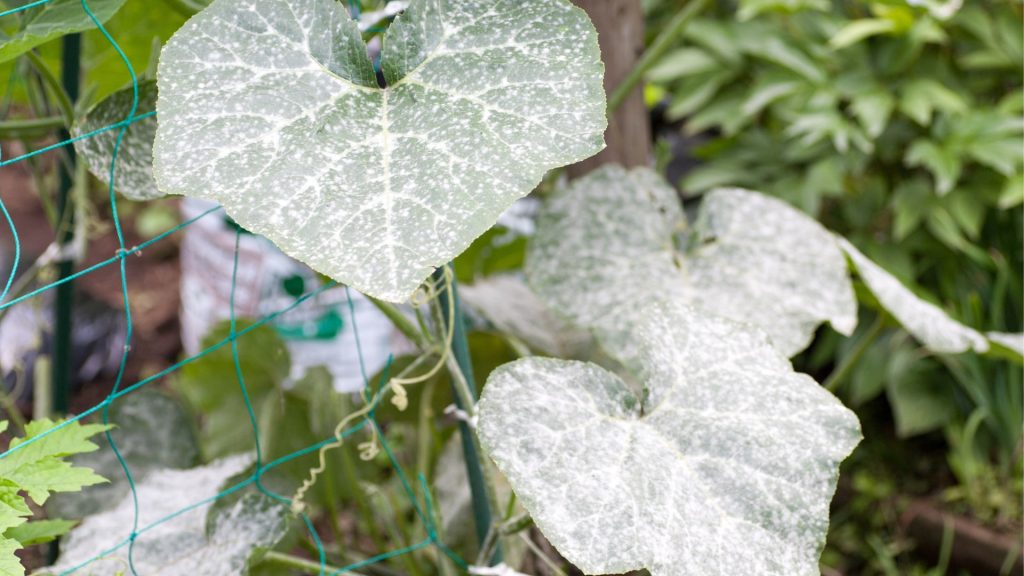
Powdery mildew is a fungal disease that appears as white, powdery spots on leaves, stems, and buds. It typically thrives in high humidity, low air circulation, and cool temperatures. Powdery mildew can spread quickly, so it’s important to tackle it as soon as you notice it.
Symptoms of Powdery Mildew:
- White, powdery spots on the leaves (often starting on the upper side)
- Leaves may become yellow, curled, or distorted
- Leaves may eventually die off or drop
How to Fix Powdery Mildew:
- Prune Infected Leaves: Carefully remove and dispose of any infected leaves or stems.
- Increase Air Circulation: Powdery mildew thrives in humid, stagnant environments. Move your plant to a place with better airflow or use a fan to help improve circulation.
- Use Fungicide: Apply a natural fungicide, such as neem oil, or a store-bought fungicide, following the instructions on the label. Make sure to spray both the top and bottom of the leaves.
- Rinse the Plant: If the infection is mild, you can rinse the plant with a mixture of water and baking soda (1 tablespoon of baking soda per gallon of water) to reduce the spread of the disease.
Prevention Tips for Powdery Mildew:
- Avoid Overcrowding: Give your plants enough space to allow for proper airflow.
- Watering Technique: Water your plants at the base, avoiding getting water on the leaves to reduce humidity around them.
- Monitor Humidity: If you have a humid environment, consider using a dehumidifier to keep the air moisture levels in check.
2. Root Rot: The Silent Killer
What is Root Rot?
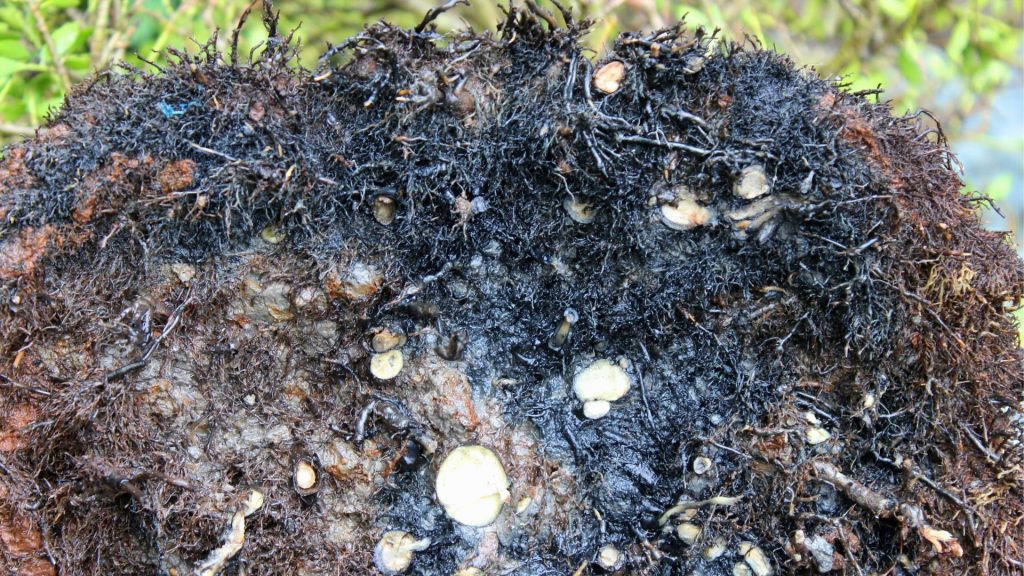
Root rot is one of the most common and dangerous problems for houseplants. It’s caused by overwatering, which leads to fungal growth in the soil and rotting of the plant’s roots. The first sign of root rot is often yellowing leaves and a sudden drop in the plant’s overall health.
Symptoms of Root Rot:
- Yellowing or wilting leaves, even though the plant has been watered
- Soft, mushy, or discolored roots
- A foul smell coming from the soil or pot
- The plant may become unstable or “top-heavy” due to the root system’s inability to support it
How to Fix Root Rot:
- Remove the Plant from the Pot: Gently take the plant out of its pot and inspect the roots. If they’re mushy or black, trim them away with a clean, sharp pair of scissors or pruning shears.
- Sterilize the Roots: Rinse the remaining healthy roots with clean water, and if necessary, dip them in a diluted hydrogen peroxide solution (1 part hydrogen peroxide to 3 parts water) to disinfect.
- Repot in Fresh Soil: Use a clean pot with drainage holes, and fill it with fresh, well-draining potting mix. Ensure the new pot is only slightly larger than the root ball.
- Water Sparingly: After repotting, give the plant only a small amount of water and avoid overwatering in the future.
Prevention Tips for Root Rot:
- Ensure Proper Drainage: Always use pots with drainage holes to allow excess water to escape.
- Let the Soil Dry Out: Check the moisture level in the soil before watering. Many plants prefer their soil to dry out between waterings, so don’t water unless the top few inches are dry.
- Avoid Soggy Soil: Use a well-draining potting mix to help excess moisture escape.
3. Spider Mites: Tiny Troubles on Your Plants
What are Spider Mites?
Spider mites are tiny pests that can wreak havoc on your houseplants. These microscopic bugs thrive in dry, hot environments and can quickly drain your plants of nutrients by feeding on their sap. They are often difficult to spot because of their size, but you may notice tiny webbing on the leaves or a stippled pattern caused by the mite’s feeding.
Symptoms of Spider Mites:
- Yellow or discolored spots on leaves, often with a speckled appearance
- Fine webbing on the undersides of leaves, or between leaves and stems
- Leaves may eventually become dry, brittle, or curl up
How to Fix Spider Mites:
- Wash the Plant: Rinse the plant with water to remove any visible mites. Be sure to wash both the tops and undersides of the leaves.
- Apply an Insecticidal Soap: Use an insecticidal soap or neem oil solution to spray the plant. Be sure to coat the entire plant, especially the undersides of the leaves where mites tend to hide.
- Increase Humidity: Spider mites thrive in dry conditions, so increase the humidity around your plant by misting the leaves or using a humidifier.
- Prune Damaged Leaves: If necessary, remove any heavily damaged or infested leaves to prevent further spread.

Prevention Tips for Spider Mites:
- Increase Humidity: Spider mites are less likely to thrive in higher humidity levels, so consider placing a humidifier near your plants.
- Regularly Inspect Plants: Check your plants for pests regularly, especially the undersides of the leaves, where spider mites tend to hide.
- Keep Your Plants Clean: Wipe down leaves with a damp cloth regularly to remove any dust or pests.
4. Leaf Spot Diseases: Fungal and Bacterial Infections
What is Leaf Spot Disease?
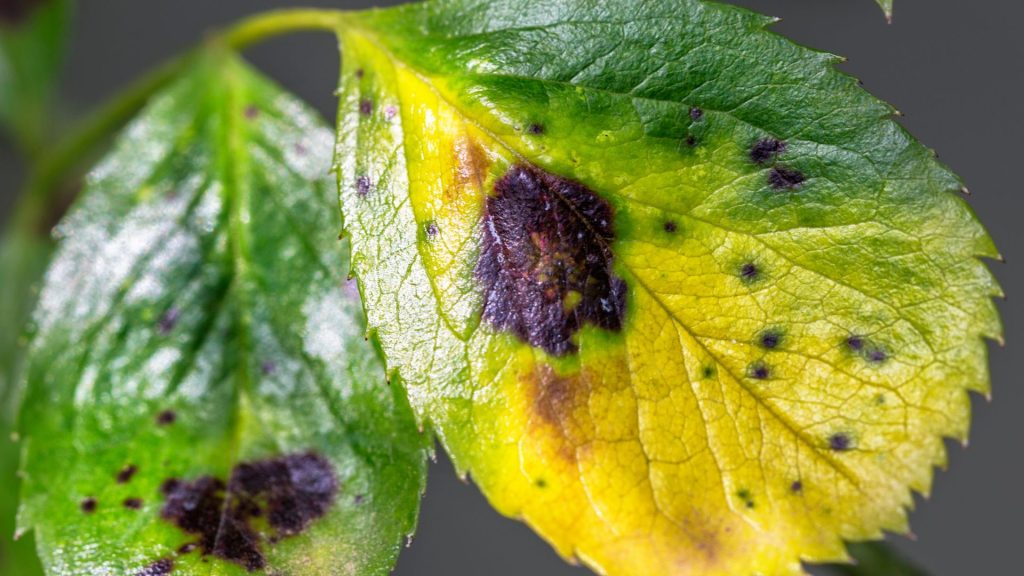
Leaf spot disease is a term used to describe several fungal or bacterial infections that cause dark, sunken spots or lesions on plant leaves. These spots can vary in color, from brown and black to yellow and gray, depending on the specific pathogen involved.
Symptoms of Leaf Spot Disease:
- Dark, water-soaked lesions or spots on leaves
- Yellowing or browning around the edges of the spots
- Eventually, the infected leaves may fall off or become brittle
How to Fix Leaf Spot Disease:
- Prune Infected Leaves: Remove any infected leaves to prevent the spread of the disease.
- Use Fungicide or Bactericide: Apply a fungicide or bactericide (depending on whether the disease is fungal or bacterial) to the affected areas. Follow the product instructions carefully.
- Improve Air Circulation: Ensure that your plant has adequate airflow to reduce humidity around the leaves.
Prevention Tips for Leaf Spot Disease:
- Water Properly: Water your plants at the base, avoiding getting the leaves wet. Wet leaves can invite fungal or bacterial infections.
- Avoid Overcrowding: Proper spacing helps ensure good airflow around each plant.
- Remove Dead or Diseased Plant Material: Regularly clean up fallen leaves or debris to reduce the chance of infection.
5. Mealybugs: The Cotton-Like Pests
What are Mealybugs?
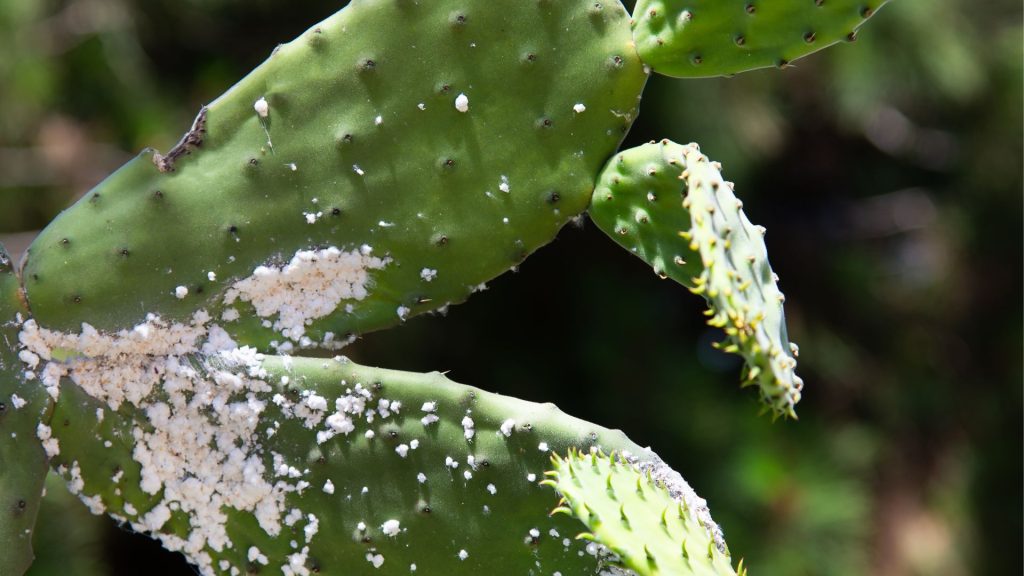
Mealybugs are small, cotton-like pests that typically infest the undersides of leaves, joints, or between leaf nodes. They feed by sucking out the sap from the plant, leaving behind a sticky residue that may attract other pests, like ants.
Symptoms of Mealybugs:
- White, cotton-like masses on the plant
- Stunted growth or yellowing leaves
- Sticky residue on leaves or surrounding surfaces
How to Fix Mealybugs:
- Remove Visible Mealybugs: Wipe off mealybugs with a cotton swab dipped in rubbing alcohol.
- Insecticidal Soap or Neem Oil: Apply insecticidal soap or neem oil to the plant, focusing on areas where mealybugs are concentrated.
- Repeat Treatment: Since mealybugs can be persistent, repeat the treatment every week until the infestation is under control.
Prevention Tips for Mealybugs:
- Inspect New Plants: Always inspect new plants thoroughly for pests before bringing them into your home.
- Keep Plants Clean: Wipe down leaves regularly to remove dust, which can hide pests.
- Maintain Healthy Plants: Healthy plants are less likely to attract pests, so make sure your plants have the right water, light, and soil conditions.

Keeping Your Houseplants Healthy and Happy
By recognizing the signs of common houseplant diseases and taking action early, you can prevent damage and keep your plants thriving. Prevention is key—regular care, proper watering, and maintaining a clean, healthy environment for your plants will help avoid many of these issues in the future.
Got a question or a plant problem you’ve recently encountered? Share your experiences with us in the comments below! Let’s talk about your favorite plant care tips and how you tackle plant diseases!