The Ultimate Guide to Repelling Mosquitoes Naturally in Your Garden
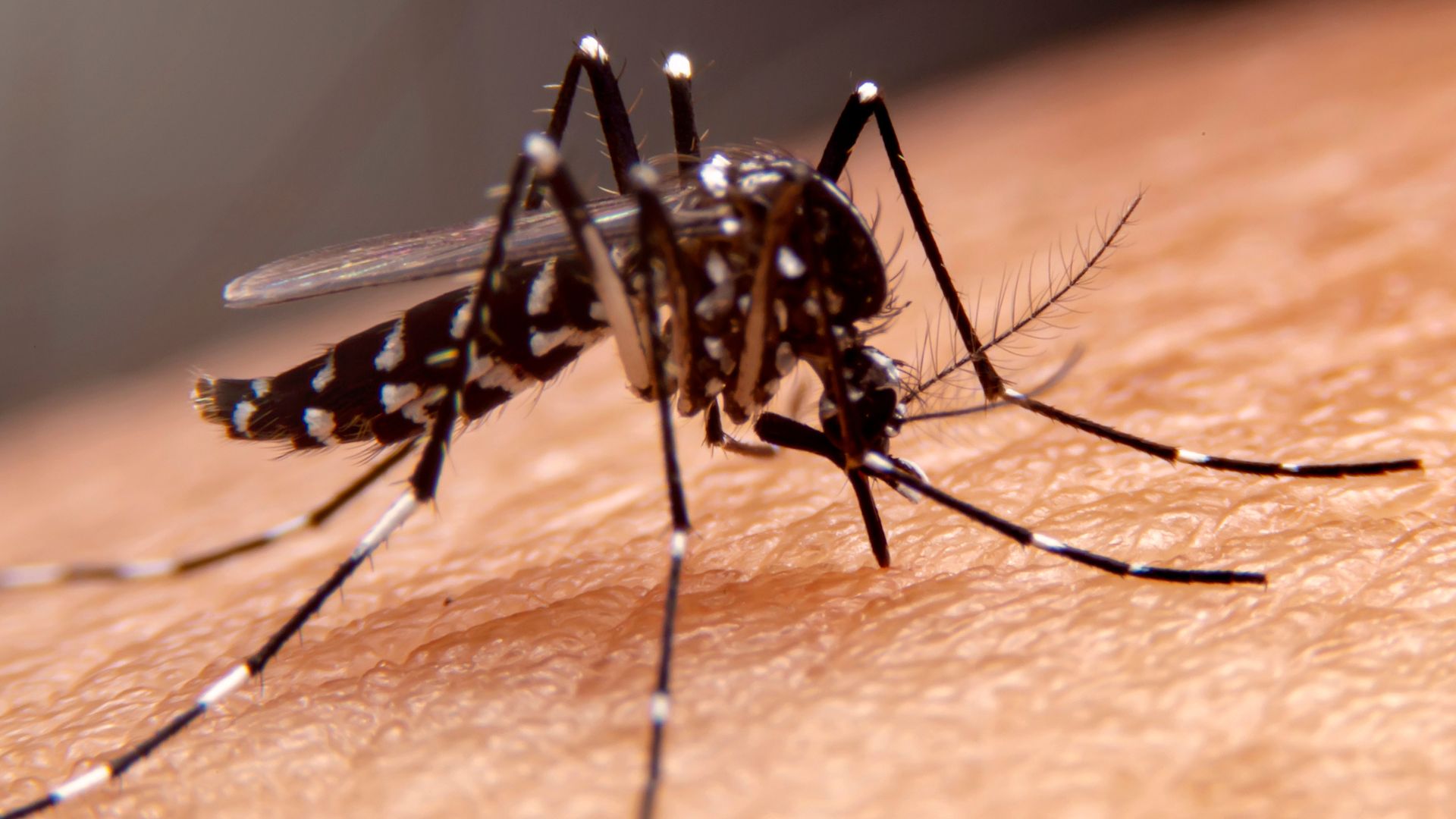
Summer is synonymous with warm evenings spent outdoors, barbecues, and enjoying nature, but for many of us, mosquitoes can turn these perfect moments into itchy nightmares. These pesky insects don’t just ruin a good time—they can also carry diseases, making their presence in your yard even more concerning. Thankfully, there are plenty of natural and effective ways to prevent and repel mosquitoes from your yard, allowing you to enjoy your outdoor spaces to the fullest. In this guide, we’ll dive into how to keep mosquitoes at bay and create a peaceful, bite-free environment for you and your family.
Why Do Mosquitoes Love Your Yard?
Before we dive into the prevention methods, it’s essential to understand why mosquitoes are so attracted to your yard in the first place. Several factors make your outdoor space an ideal breeding ground for these pests, such as:
- Standing Water: Mosquitoes breed in standing water, so anything from a birdbath to a clogged gutter or even a small puddle can be a potential mosquito breeding site.
- Warmth and Humidity: Mosquitoes thrive in warm, humid environments, which is why they’re more active in the summer months.
- Carbon Dioxide and Body Heat: Humans and animals exhale carbon dioxide and produce body heat, which are two things mosquitoes find irresistible. They use specialized sensors to detect these signals from a distance.
1. Eliminate Standing Water in Your Yard
The most effective step in preventing mosquitoes is addressing their breeding grounds. Mosquitoes lay their eggs in stagnant water, and the larvae hatch into mosquitoes, ready to feed on you. Regularly inspect your yard for standing water and remove any sources immediately. Here are a few common culprits:
- Clogged Gutters: Gutters can easily collect water and serve as the perfect breeding ground. Clean your gutters regularly, especially after heavy rain, to prevent water buildup.
- Birdbaths and Ponds: While birdbaths are great for attracting birds, they can also attract mosquitoes. Be sure to empty and refill your birdbath frequently or use a small fountain to keep the water circulating. If you have a pond, consider adding fish that eat mosquito larvae.
- Planters and Pots: Plant saucers or potted plants left with water can collect moisture. Empty the saucers, or use self-watering pots that don’t accumulate excess water.
- Tarps, Tires, and Buckets: Anything that holds water for an extended period—whether it’s an old tire, a tarp, or a bucket—should be emptied and stored appropriately.

2. Create Mosquito-Repelling Landscaping
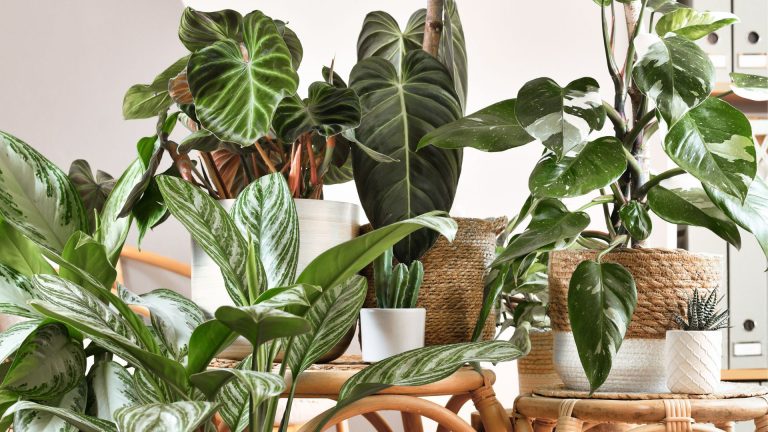
Certain plants can help repel mosquitoes naturally, reducing their presence in your yard. These plants contain essential oils that mosquitoes find unpleasant. By incorporating mosquito-repelling plants into your garden, you can take advantage of a natural, chemical-free solution. Here are a few plants known to keep mosquitoes away:
- Citronella Grass: Perhaps the most well-known mosquito repellent, citronella is commonly used in candles and sprays. Planting it in your garden can create a natural barrier for mosquitoes.
- Lavender: Not only does lavender smell fantastic to humans, but it also repels mosquitoes due to its strong fragrance.
- Marigolds: These cheerful flowers produce a strong scent that deters mosquitoes and other pests like aphids and whiteflies.
- Lemon Balm: As a member of the mint family, lemon balm has a citrusy fragrance that mosquitoes find offensive. It grows quickly, so keep it in check!
- Basil: The aroma of basil keeps mosquitoes at bay. Plus, it’s perfect for adding flavor to your meals.

3. Use Mosquito Traps and Zappers
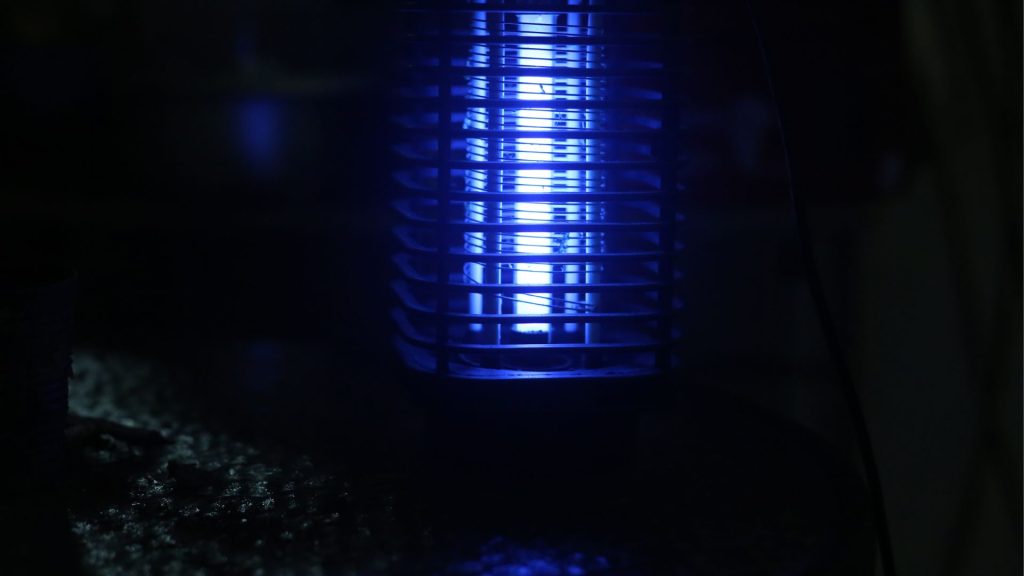
For those who are particularly plagued by mosquitoes, mosquito traps or zappers can be an effective solution. Mosquito traps use heat, carbon dioxide, and scent to attract and trap mosquitoes. These traps can be strategically placed in your yard to lure mosquitoes away from you and your family.
Similarly, mosquito zappers emit UV light, attracting mosquitoes and killing them upon contact. While not as effective as traps for large populations, they can help keep the immediate area around you free of mosquitoes during outdoor gatherings.
4. Install Mosquito Netting or Screens
If mosquitoes are particularly troublesome in your area, consider setting up mosquito netting around patios or decks. You can also add netting to porches or even over outdoor dining areas. This will allow you to enjoy your time outside without worrying about being bitten by mosquitoes.
For those who like to dine outdoors, consider using a mosquito net to cover tables or seating areas during the evenings, when mosquitoes are most active.

5. Apply Natural Mosquito Repellents
In addition to eliminating standing water and planting mosquito-repellent plants, you can also use natural mosquito repellents around your yard. These are a great way to keep mosquitoes away without relying on harsh chemicals. Some options include:
- Essential Oils: Mosquitoes dislike oils like eucalyptus, citronella, peppermint, and tea tree oil. You can mix a few drops of your chosen oil with water in a spray bottle and apply it around your yard.
- Garlic Spray: Garlic is another mosquito repellent. While it may smell strong to humans, mosquitoes hate it. You can create a garlic spray by blending crushed garlic and water, then spraying it around your yard.
- Neem Oil: Known for its pest-repelling qualities, neem oil can be applied to plants in your garden to keep mosquitoes away.

6. Add Mosquito-Repelling Devices
Several devices can help further minimize mosquito presence in your yard. These include:
- Mosquito Misting Systems: These systems release a fine mist of insecticide or natural repellent at regular intervals to keep mosquitoes at bay. While they can be costly to install, they provide long-term protection.
- Fans: Mosquitoes are weak flyers, so a strategically placed fan can help keep them away from you during outdoor events. The breeze will make it difficult for mosquitoes to fly, preventing them from landing on you.

7. Use Mosquito-Repellent Candles and Lanterns
Candles and lanterns made with natural mosquito-repelling ingredients are not only functional but also create a cozy atmosphere. Look for candles that contain citronella, lemongrass, or eucalyptus, as these scents are known to drive mosquitoes away.
These can be placed around patios, walkways, and seating areas to create a mosquito-free zone while enhancing the ambiance of your yard.

8. Introduce Natural Predators
In some cases, introducing natural predators of mosquitoes can help reduce their numbers. While it may not be the most common solution for most, certain animals thrive on mosquitoes and their larvae:
- Bats: These nocturnal creatures love to feast on mosquitoes. Installing bat houses in your yard can attract these insect-eating mammals.
- Birds: Many species of birds, such as swallows and purple martins, feed on mosquitoes. If you create a welcoming environment for birds (with birdhouses and feeders), you might just be able to use these flying predators to your advantage.
- Fish: If you have a pond, adding fish like goldfish or koi can help keep mosquito larvae under control.

9. Maintain Proper Yard Care
A tidy yard is less inviting to mosquitoes. Keep your grass mowed and remove any overgrown shrubs where mosquitoes can hide. They love dark, damp places where they can rest during the day, so regularly trim hedges and remove weeds to eliminate potential hiding spots.

My Sunny Thoughts
By following these simple yet effective strategies, you can reduce mosquito activity in your yard and enjoy your outdoor spaces without the nuisance of bites. From eliminating standing water to planting mosquito-repelling plants, there are many ways to keep your yard a mosquito-free zone. Whether you’re hosting a summer barbecue, enjoying a peaceful evening, or spending time with family, you now have the tools to keep those pesky mosquitoes away.
We’d love to hear your thoughts! Have you tried any of these methods to repel mosquitoes in your yard? What has worked best for you? Share your tips in the comments below!