
Say Goodbye to Thrips: 6 Natural Ways to Keep Your Plants Pest-Free
If you’ve ever noticed streaks of silver or white patches on your plant leaves, or tiny dark spots that seem to move around, your garden may have a thrips problem. These tiny, winged insects are a common pest that can wreak havoc on a variety of plants, from vegetables and flowers to trees and shrubs. While they might be difficult to spot due to their small size, thrips can cause significant damage, leading to stunted growth, deformed flowers, and even plant death. Thankfully, there are natural ways to prevent and control thrips, ensuring that your plants stay healthy and thriving.
In this post, we’ll explore everything you need to know about preventing thrips in your garden using eco-friendly methods. From the signs to watch for, to the natural predators and plant care techniques that can help keep your plants thrips-free, we’ve got you covered.
What Are Thrips and Why Are They Harmful to Plants?
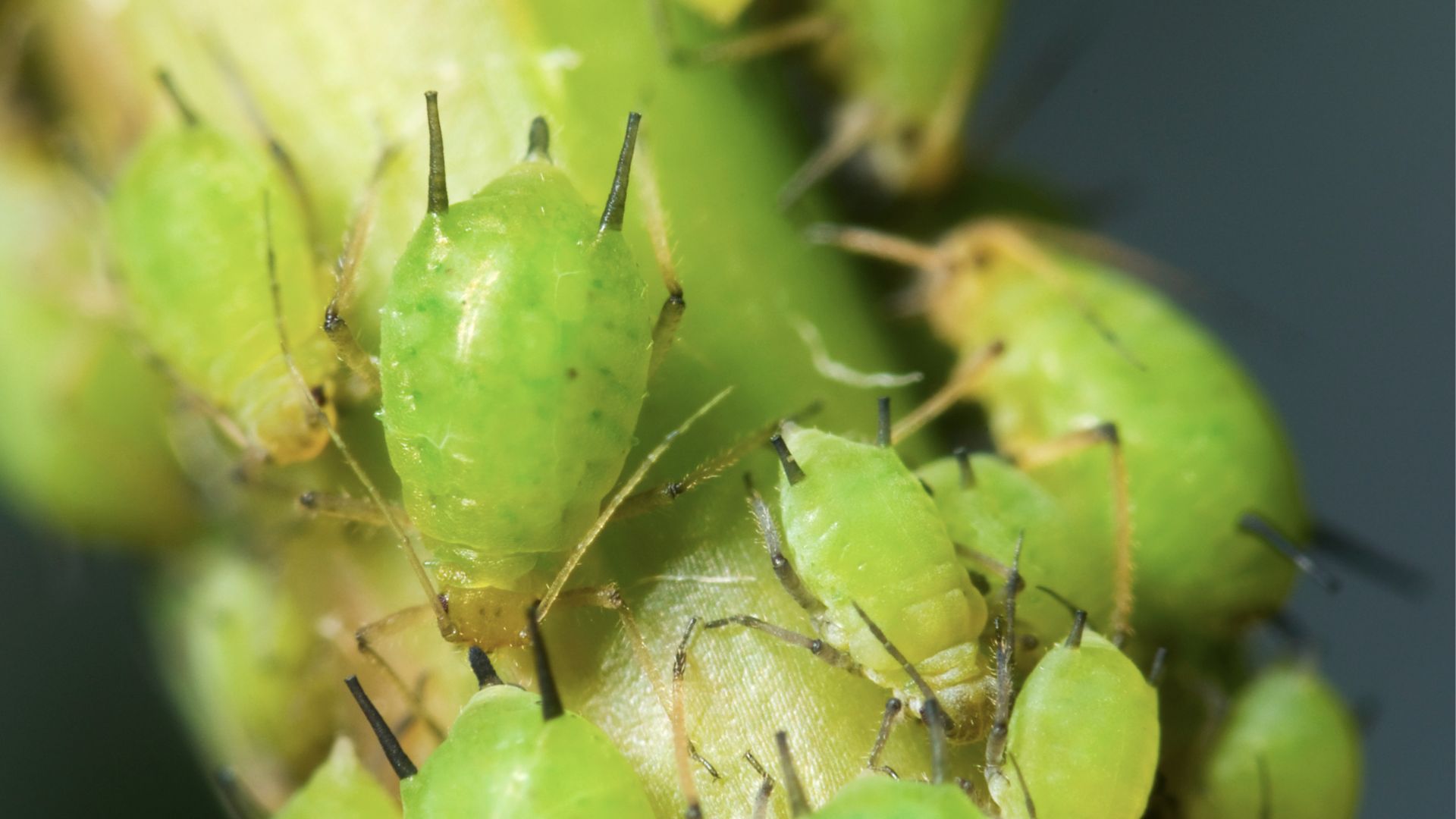
Thrips are tiny, slender insects that typically range from 1 to 2 millimeters in length. They are usually pale yellow, brown, or black and have fringed wings that allow them to fly short distances. While they may seem harmless, thrips are plant-feeding pests that can cause serious damage. They use their needle-like mouthparts to pierce plant cells and feed on the sap inside, which can result in discolored spots, curled leaves, and even stunted growth.
One of the most concerning aspects of thrips is their ability to spread plant diseases. Thrips are known vectors for several plant viruses, such as tomato spotted wilt virus and impatiens necrotic spot virus, which can lead to further harm to your garden.
How to Recognize a Thrips Infestation
Identifying thrips early is crucial for preventing serious damage. The most common signs of a thrips infestation include:
- Silver or white streaks on leaves: As thrips feed on the plant tissue, they leave behind tiny scars that create silver streaks or blotches.
- Deformed flowers: Thrips are particularly fond of flowers, where they can cause discoloration, deformed petals, or stunted blooms.
- Black specks: These are actually thrips feces, which can be found on the undersides of leaves or on the plant surface.
- Distorted or curled leaves: Because thrips damage the plant cells, the leaves can curl or become distorted over time.
If you spot any of these signs, it’s essential to take action quickly to prevent further damage.
1. Encourage Beneficial Insects
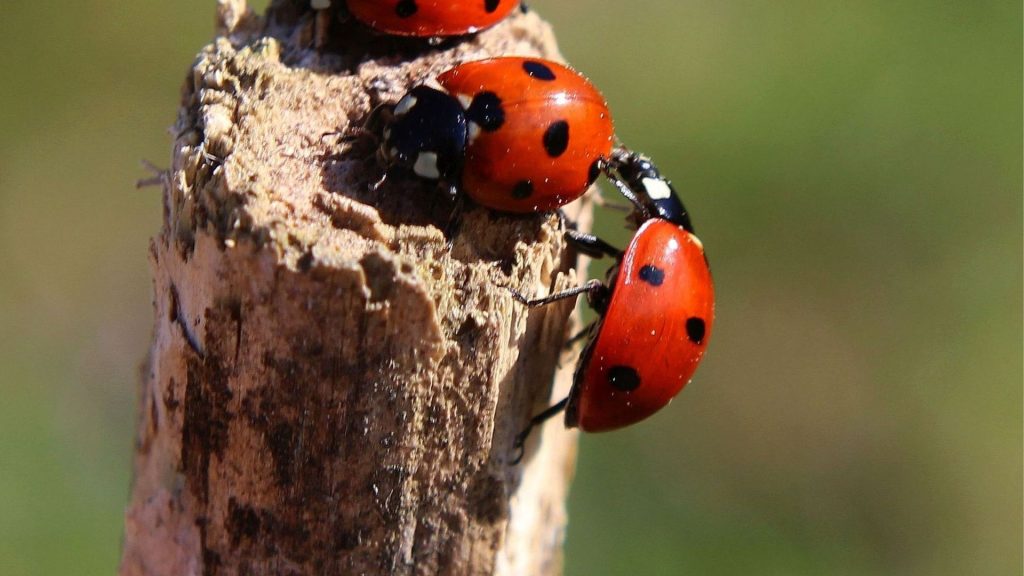
One of the most effective and natural ways to combat thrips is by introducing beneficial insects to your garden that feed on them. These natural predators can help keep thrips populations under control without the need for harmful chemicals. Some beneficial insects that target thrips include:
- Ladybugs (Ladybird beetles): Known for their voracious appetite for pests, ladybugs are excellent at hunting down and consuming thrips and other harmful insects.
- Predatory mites: These tiny mites feed on thrips larvae, preventing them from reaching adulthood and reproducing.
- Lacewing larvae: Lacewing larvae are another natural predator of thrips, feeding on both adult thrips and their eggs.
To attract these beneficial insects to your garden, avoid using broad-spectrum insecticides, which can kill both pests and helpful predators. Instead, focus on creating a diverse, organic environment that encourages the presence of these beneficial insects.
2. Neem Oil: A Powerful Organic Pest Control
Neem oil is a natural pesticide derived from the seeds of the neem tree. It works as an effective thrips deterrent by disrupting the pests’ hormonal systems, preventing them from feeding and reproducing. Neem oil is non-toxic to humans, pets, and beneficial insects, making it a safe choice for organic gardening.
To use neem oil for thrips control:
- Dilute the oil: Mix 2 tablespoons of neem oil with 1 gallon of water. Add a small amount of liquid soap to help the mixture adhere to the leaves.
- Spray the plants: Use a spray bottle or garden sprayer to thoroughly coat both the tops and bottoms of your plants’ leaves. Be sure to spray in the early morning or late afternoon to avoid harming the plant during the hottest part of the day.
- Repeat regularly: Apply neem oil every 7-10 days, especially during the peak growing season, to ensure that thrips are kept in check.
Neem oil not only helps control thrips but can also prevent the spread of plant viruses, making it a great choice for maintaining a healthy garden.

3. Introduce Diatomaceous Earth
Diatomaceous earth (DE) is a fine, powdery substance made from the fossilized remains of diatoms (tiny aquatic organisms). When sprinkled on plant leaves and soil, DE can help control a wide range of pests, including thrips. DE works by damaging the outer protective layer of the pests’ bodies, causing them to dehydrate and die.
To use diatomaceous earth against thrips:
- Choose food-grade diatomaceous earth: This type of DE is safe for humans, pets, and plants.
- Sprinkle on affected plants: Lightly dust the tops and undersides of your plants’ leaves with DE. Be sure to reapply after heavy rain or watering, as DE loses its effectiveness when wet.
- Apply it to the soil: DE can also be sprinkled around the base of plants to help prevent thrips from crawling up from the soil.
Diatomaceous earth is a natural, non-toxic way to control thrips without harming beneficial insects or pollinators.

4. Use Insecticidal Soap
Insecticidal soap is another great natural remedy for thrips. Made from potassium salts of fatty acids, insecticidal soap works by breaking down the protective outer layer of thrips and other soft-bodied insects, causing them to dry out and die.
To use insecticidal soap for thrips:
- Mix the solution: You can either purchase ready-made insecticidal soap or make your own by mixing 2 tablespoons of mild liquid soap with 1 quart of water.
- Spray the plants: Apply the soap solution to the affected plants, ensuring that both the tops and bottoms of the leaves are coated. Be sure to spray early in the morning or late in the evening to avoid leaf burn.
- Repeat regularly: Insecticidal soap can be reapplied every 7-10 days as needed.
Insecticidal soap is an effective way to control thrips, but it is important to note that it can harm beneficial insects if they are exposed to it, so use it selectively.

5. Maintain Healthy Soil and Plants
Healthy plants are more resistant to pests like thrips, so providing your plants with the proper care is essential for preventing infestations. Here are some tips for maintaining healthy plants:
- Soil: Thrips prefer stressed plants, so make sure your soil is rich in organic matter and well-draining. A soil test can help determine any nutrient deficiencies that need to be addressed.
- Watering: Overwatering or underwatering can weaken plants, making them more susceptible to pests. Water your plants deeply and consistently, but ensure that the soil has proper drainage to prevent waterlogged roots.
- Mulching: Apply a layer of organic mulch around your plants to help retain moisture, suppress weeds, and regulate soil temperature.
By keeping your plants strong and healthy, you’ll reduce the likelihood of thrips causing damage.

6. Remove Infected Plant Parts
If you notice any parts of your plants that are heavily infested with thrips (such as damaged leaves or flowers), remove them promptly to prevent the pest from spreading. Be sure to dispose of these plant parts properly by bagging them and throwing them away – do not compost them, as this can encourage the thrips to reproduce.

My Thoughts on Preventing Thrips Naturally
While thrips can be a nuisance, with the right preventative measures, you can keep your garden thrips-free without resorting to harmful chemicals. By encouraging natural predators, using neem oil, diatomaceous earth, and insecticidal soap, maintaining healthy soil and plants, and removing infected parts, you can protect your garden from these pesky insects.
Always remember, natural pest control takes time and patience, but with consistent care and attention, you can ensure your plants thrive all season long.


