
How to Start a Homestead from Scratch on a Small Budget
Homesteading is a dream for many — the idea of growing your own food, raising animals, and living off the land. But for those on a small budget, the reality can feel daunting. How do you build a self-sufficient homestead without breaking the bank? The good news is that it’s not only possible, but it can also be incredibly rewarding. With the right mindset, creativity, and strategic planning, you can start your homestead from scratch on a small budget and gradually build a sustainable, fulfilling lifestyle.
In this blog post, I’ll share a practical step-by-step guide to help you start homesteading from scratch. Whether you’re just beginning your journey or looking for ways to stretch your budget further, these tips will help you create a homestead that works for you, even with limited financial resources.
Step 1: Define Your Homesteading Goals
The first step in starting a homestead is to clearly define your goals. Homesteading is a broad concept, and it can look different for everyone. Ask yourself:
- What do I want to achieve through homesteading?
- Do I want to focus on growing food, raising animals, or both?
- How self-sufficient do I want to be? Am I looking to be fully off-grid, or do I want a more sustainable lifestyle that still includes modern conveniences?
By clearly defining your goals, you can make intentional decisions about how to allocate your budget. Homesteading on a small budget doesn’t mean you have to do everything at once. Start small and focus on the areas that matter most to you.
Step 2: Start with a Simple Garden
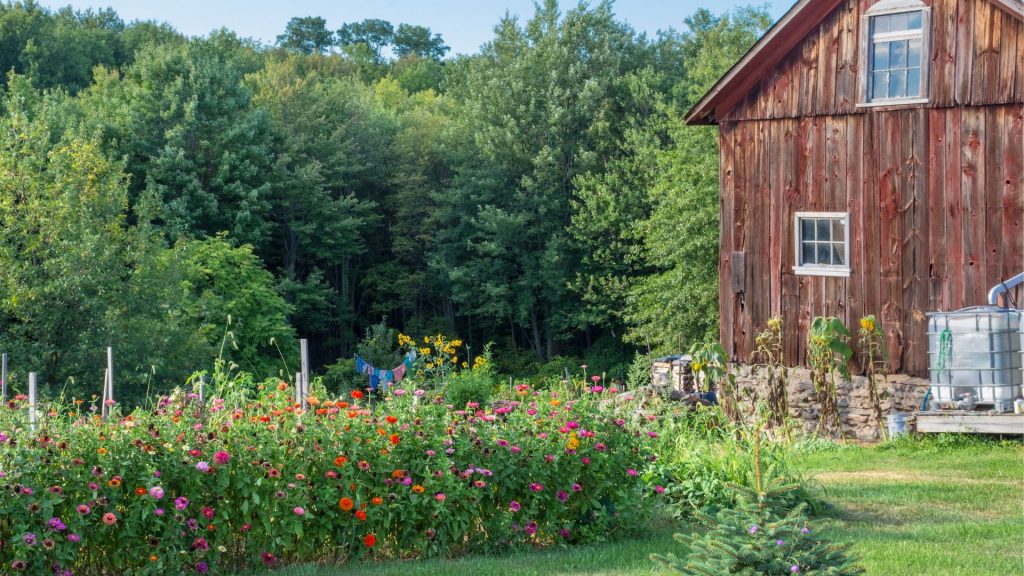
One of the most affordable and rewarding ways to start a homestead is by growing your own food. Gardening is a great way to achieve some level of self-sufficiency without requiring a large upfront investment. Even if you’re working with limited space or a small budget, you can still grow a variety of vegetables and herbs that will feed your family and reduce your grocery bills.
Tips for Starting a Garden on a Small Budget:
- Start small: Begin with a small, manageable garden. You don’t need acres of land to grow your own food. Raised beds, container gardening, and even vertical gardening can help you maximize small spaces.
- Save seeds: Instead of buying new seeds every year, save seeds from your crops. You can also trade seeds with other gardeners to diversify your options.
- Compost: Composting is an inexpensive way to enrich your soil. Use kitchen scraps, yard waste, and other organic materials to create nutrient-rich compost that will improve your garden’s productivity.
- Use DIY solutions: For irrigation, trellises, and garden tools, look for low-cost or DIY options. Old containers can become planters, and simple systems like rain barrels can help you water your garden without the need for a pricey irrigation system.
Step 3: Focus on Building a Sustainable Food Source
While gardening is an essential part of homesteading, it’s also important to think about building a reliable food source over time. On a small budget, this doesn’t mean you need to run out and buy a lot of animals or expensive equipment. You can start small and gradually increase your food production.
Consider the following options:
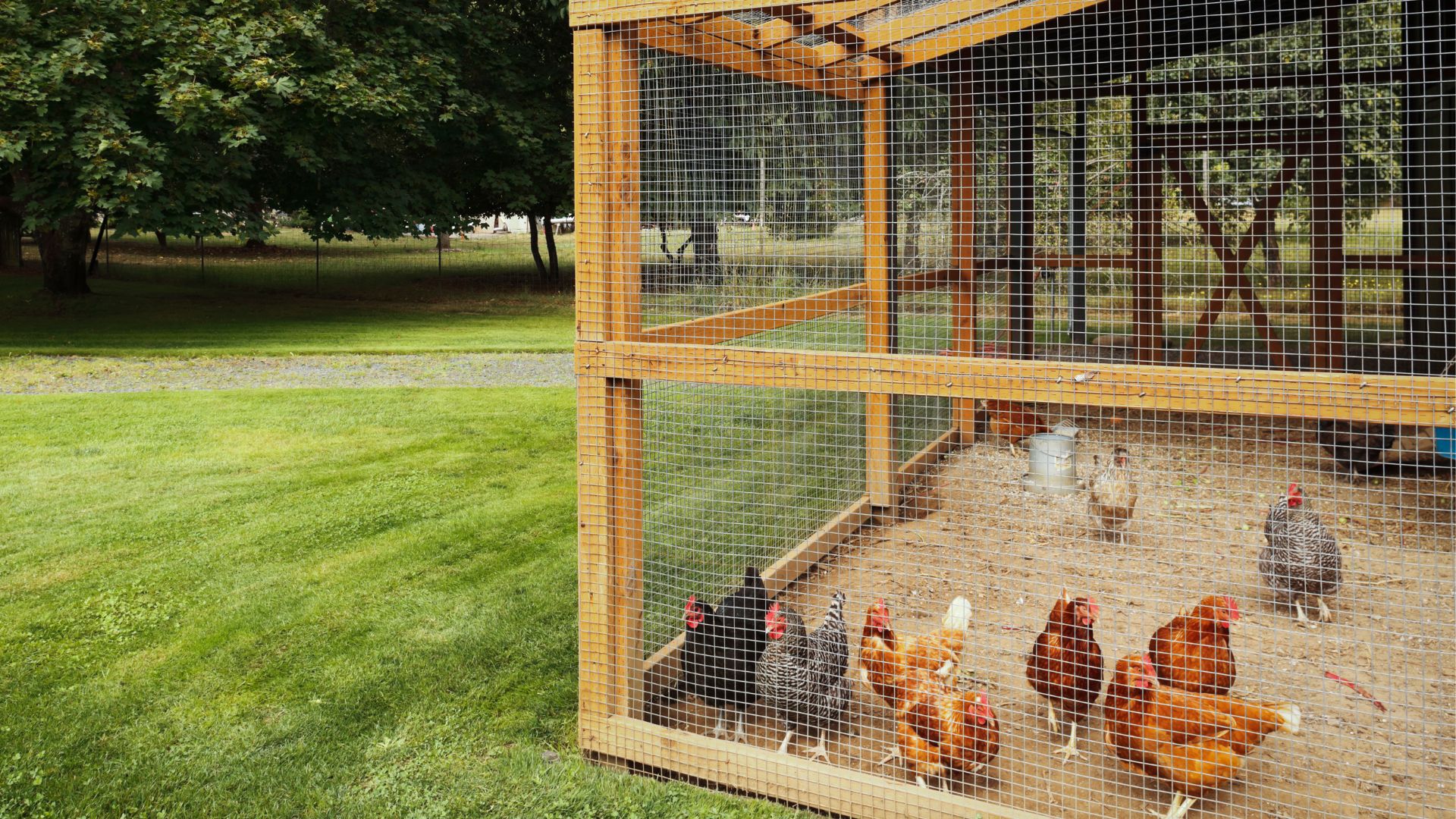
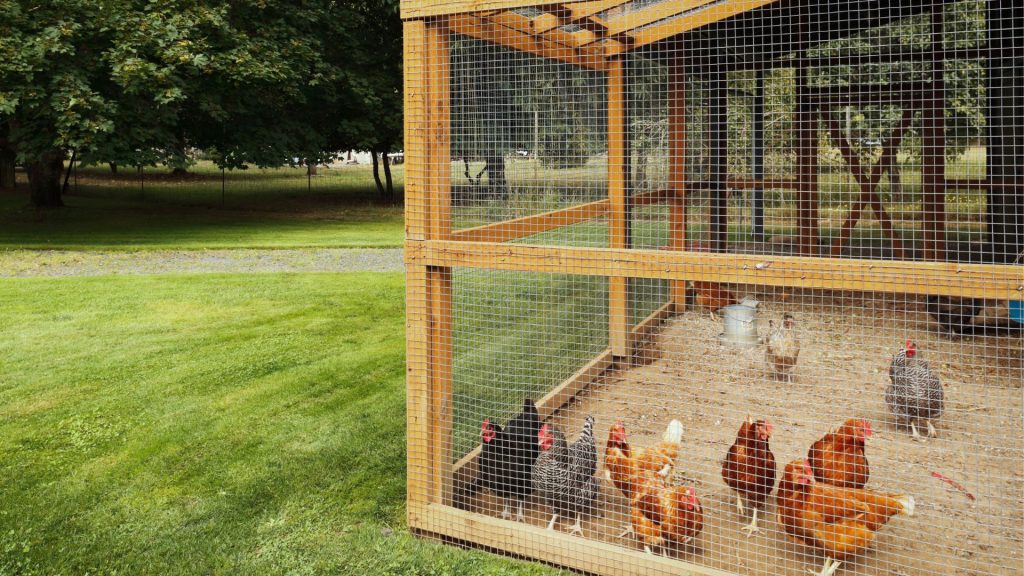
- Chickens: Chickens are a great starting point for homesteaders because they are relatively inexpensive, easy to care for, and provide eggs. If you don’t have a lot of space, you can even keep chickens in a small backyard or chicken tractor (a movable chicken coop).
- Rabbits: Rabbits are another low-cost option for meat production. They are easy to raise, take up minimal space, and reproduce quickly, allowing you to build a sustainable source of protein over time.
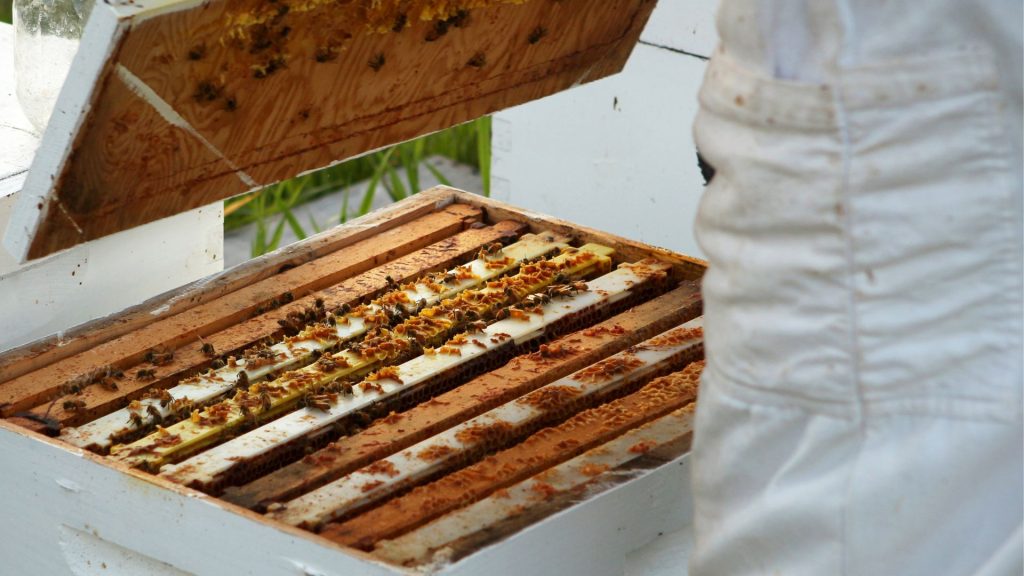
- Bees: Beekeeping can be a fantastic way to produce honey and beeswax. While the initial setup costs can be a little higher, once you have your hives in place, they are relatively low-maintenance and can provide an income stream if you sell honey or hive products.
Start with a few animals and learn as you go. It’s okay to make mistakes, and homesteading is a journey that gets easier the more experience you gain.
Step 4: Build Simple, Affordable Shelter
One of the biggest expenses when starting a homestead is housing. If you’re starting from scratch on a small budget, it’s important to consider low-cost or even free options for shelter.
Ideas for Affordable Shelter:
- Tiny homes or mobile homes: A tiny home can be an affordable way to build a homestead, and many people find that they enjoy the simplicity of living in a smaller space. You can also consider a mobile home or even an RV, depending on your needs.
- Recycled materials: Look for used or recycled materials to build your shelter. Reclaimed wood, windows, and doors can often be found for free or at a low cost through local marketplaces or construction sites.
- Build incrementally: If you can’t afford to build an entire house right away, start with a small, simple structure like a shed or a cabin, and then expand as your budget allows.
Remember, the goal is not perfection but sustainability. You can always improve your shelter over time, but your focus should be on getting something functional in place that allows you to start homesteading.
Step 5: Reduce Costs with DIY Projects
Homesteading is all about self-sufficiency, and one of the best ways to save money is by doing things yourself. Whether you’re learning to make your own soap, build furniture, or preserve food, DIY projects can reduce your reliance on stores and help you keep costs down.
Here are some DIY projects to consider:
- Soap Making: Homemade soap is not only a fun and creative project, but it’s also incredibly cost-effective. By making your own soap, you can save money on commercial soap, and you can even sell it to create a small income stream. Soap making only requires a few ingredients like oils, lye, and essential oils.
- Canning and Preserving: Growing your own food is just the first step. To truly make your homestead self-sufficient, you need to preserve that food for the winter. Canning, freezing, and dehydrating are all affordable ways to store your harvest and ensure you have food all year round.
- Handmade tools and furniture: If you have basic woodworking skills, you can create your own furniture or tools. Building a simple workbench, shelves, or a chicken coop can save you a significant amount of money.

Step 6: Create a Budget and Stick to It
Starting a homestead on a small budget requires careful financial planning. Creating a budget will help you prioritize your spending and track your expenses, ensuring that you’re investing in the most important aspects of your homestead.
Tips for Managing Your Budget:
- Prioritize essentials: Focus on the basics that will help you achieve self-sufficiency — food, shelter, and water — before investing in luxury items or non-essential projects.
- Look for free resources: Take advantage of free resources available in your community. For example, local gardening clubs, online homesteading forums, or bartering with neighbors can help you find supplies and advice without spending a lot of money.
- Set realistic goals: Be patient. Homesteading is a long-term endeavor, and it’s important to set achievable goals. Don’t expect to be fully self-sufficient overnight. Start with small, manageable projects and build over time.
Step 7: Build a Community and Network
One of the most valuable resources for any homesteader is a strong community. Surrounding yourself with like-minded people can offer support, advice, and even tangible resources. Whether you’re swapping seeds, sharing tools, or collaborating on projects, a good network can make homesteading more affordable and enjoyable.
Ways to Build Your Homesteading Network:
- Join local homesteading groups: Look for groups in your area that meet regularly to share tips and resources.
- Attend farmer’s markets or events: Even if you’re not yet selling anything, attending local markets is a great way to meet people in the community.
- Use social media: Online communities, like Facebook groups or Instagram, are excellent ways to connect with fellow homesteaders and learn from their experiences.
Final Thoughts: Homesteading on a Small Budget is Possible
Starting a homestead from scratch on a small budget may seem like a daunting task, but with careful planning, creativity, and patience, it’s entirely achievable. By focusing on the basics — growing food, raising animals, building affordable shelter, and reducing costs through DIY projects — you can create a self-sufficient homestead that works for you.
Remember, homesteading is a journey, not a destination. Take it one step at a time, and don’t be afraid to start small. Over time, your homestead will grow, and with it, your sense of self-sufficiency and independence. So roll up your sleeves, embrace the challenges, and enjoy the rewards of building a homestead from the ground up.


