Plant Styling 101: Simple Tips for Creating a Lush and Beautiful Indoor Garden
Plants are more than just a decorative touch in your home; they’re living pieces of art that can transform any space into a lush, tranquil oasis. Whether you’re a seasoned plant enthusiast or a beginner just starting to build your indoor garden, knowing how to style and care for your plants can make all the difference. Not only will you enjoy a healthier, happier plant, but you’ll also create an environment that promotes peace, relaxation, and creativity.
In this guide, we’ll explore how to style your plants so they become the focal point of any room, as well as essential care tips to ensure they thrive. From choosing the right plants for your space to creating a stylish arrangement, you’ll learn everything you need to create your very own indoor garden. Let’s get started!
Styling Your Plants: How to Create a Gorgeous Green Oasis
Before we dive into care, let’s talk about styling. Plants are incredibly versatile and can be used in many creative ways to elevate your home decor. Whether you live in a small apartment or a large house, there’s a perfect way to incorporate greenery into your space. Here are some stylish ideas for displaying your plants.
1. Grouping Plants for Impact
One of the easiest ways to create a stylish plant display is to group multiple plants together. A few smaller plants arranged on a shelf, table, or windowsill can add instant greenery and life to a room. When grouping plants, try to vary the size, shape, and type of plants to create visual interest.
Tip: Mix plants with different textures, like the smooth, broad leaves of a rubber plant with the delicate, trailing vines of a pothos. Also, play with heights! Use plant stands or hang plants to create a multi-level arrangement.

2. Using Statement Pots and Planters
The right pot or planter can really make your plant pop. Choose a pot that complements your decor style, whether it’s modern, boho, minimalist, or rustic. You can even use creative alternatives like vintage teacups, mason jars, or wooden crates for a more personal touch.
Tip: If you’re using a large pot, make sure it matches the size of your plant. A pot that’s too small will make your plant look cramped, while one that’s too large can overwhelm it. You also want to make sure your pots have drainage holes to avoid root rot.

3. Hanging Plants for Vertical Space
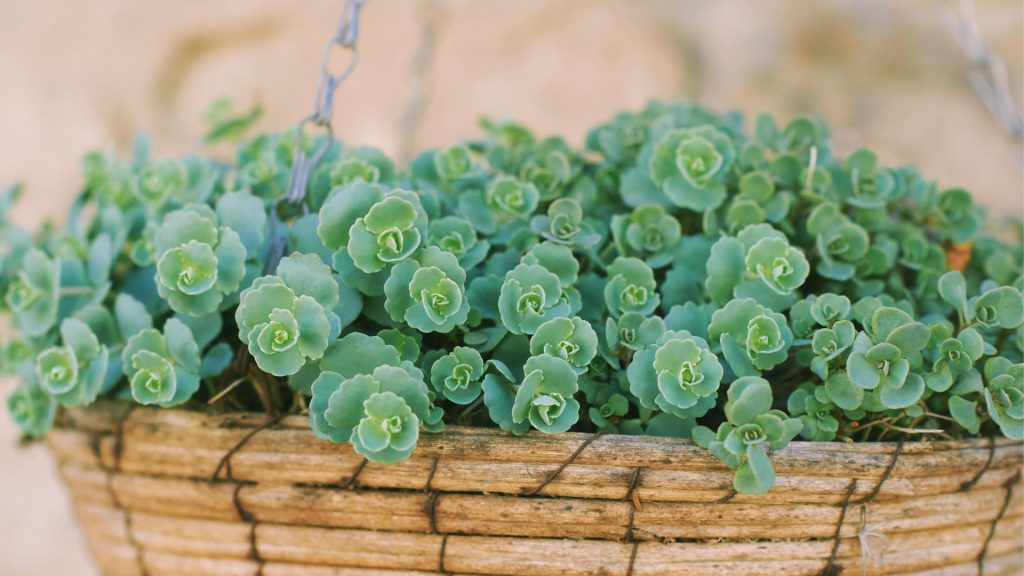
If you have limited floor space or want to add a unique touch to your walls, hanging plants are an excellent option. Hanging planters or macramé plant hangers are great for suspending trailing plants like pothos, ivy, or philodendrons. They also add dimension to a room and help maximize vertical space.
Tip: Hanging plants are a fun way to bring greenery into spaces like kitchens, bathrooms, or bedrooms. Just be sure to place them in spots where they’ll get the right amount of light and won’t be in the way.
4. Creating a Focal Point with a Large Statement Plant
Sometimes, one bold, large plant is all you need to make a dramatic statement. A tall, leafy plant like a fiddle leaf fig, rubber plant, or bird of paradise can act as a focal point in a living room or entryway. It draws the eye and adds a sense of grandeur to the space.
Tip: Place large plants near a window where they’ll get plenty of light. If you’re using a statement plant, pair it with more neutral elements around it to ensure it stands out.

5. Incorporating Plants into Every Room
Plants aren’t just for the living room—they can be placed in nearly every room of your home. Incorporating greenery into your kitchen, bathroom, or office space adds life and freshness to those areas. For example, a small succulent in the bathroom adds a lovely touch, while larger plants in the kitchen can help purify the air.
Tip: Keep plants that thrive in high humidity, like ferns, in bathrooms, while plants like succulents and cacti do best in dry, sunny spots like windowsills.

Essential Plant Care: Tips to Keep Your Greenery Thriving
Now that we’ve covered how to style your plants, let’s move on to the basics of plant care. Caring for plants is an ongoing process, but with the right techniques, you’ll have healthy, thriving greenery in your home. Here’s what you need to know:
1. Watering Your Plants Correctly
Watering is one of the most critical aspects of plant care, but it’s also where many plant owners go wrong. Overwatering or underwatering can both be harmful to your plants. So how do you know when to water?
Tip: Always check the soil before watering. Stick your finger about an inch into the soil—if it feels dry, it’s time to water. If it’s still moist, wait a few more days. Be sure to water thoroughly, allowing excess water to drain out of the pot. Never let plants sit in standing water.

2. Providing the Right Amount of Light
Light is essential for healthy plant growth, but different plants have different light requirements. Some plants, like succulents and cacti, thrive in bright, direct sunlight, while others, like ferns and snake plants, prefer lower light or indirect sunlight.
Tip: Pay attention to your plant’s needs and adjust its placement accordingly. For example, if a plant starts to lean towards the light, it’s a sign that it’s not getting enough light, so you may want to move it to a brighter spot.

3. Choosing the Right Soil
Choosing the right soil mix for your plants is another key aspect of plant care. Most houseplants do well in a general-purpose potting mix, but some plants, like cacti or orchids, require specialized soil with good drainage.
Tip: Make sure your pots have drainage holes to prevent water from collecting at the bottom and causing root rot. For plants that need extra drainage, you can mix in some perlite or sand with your soil.

4. Fertilizing for Growth
Plants, like any living organism, need nutrients to grow strong and healthy. Fertilizing is a great way to give your plants the extra boost they need, but it’s important to do so correctly.
Tip: Use a balanced, water-soluble fertilizer and feed your plants once a month during their growing season (typically spring and summer). Be careful not to overfertilize, as this can burn the roots or stunt growth.

5. Pruning and Cleaning Your Plants
Regular pruning helps keep plants healthy and encourages new growth. Remove dead or yellowing leaves and cut back any leggy growth to help maintain a neat shape.
Tip: While pruning, be sure to clean your plants regularly by wiping their leaves with a damp cloth. This not only keeps them looking tidy but also helps remove dust that can block sunlight and hinder photosynthesis.
Engaging with Your Plants: Make Plant Care Fun!
Caring for plants doesn’t have to feel like a chore—it can actually be a fun and rewarding experience! Here are a few ways to engage with your plants and make plant care part of your daily routine:
- Create a Plant Care Journal: Track the health and growth of your plants, record when you watered them, and note any changes in their appearance. It’s a great way to stay on top of their care and learn more about their individual needs.
- Decorate with Plant Accessories: Have fun choosing stylish pots, watering cans, and plant tools that match your aesthetic. Not only will these accessories make plant care more enjoyable, but they can also add to the overall look of your space.
- Learn More About Plant Care: Take the time to research the specific needs of your plants. The more you learn, the better equipped you’ll be to care for them and keep them thriving.

Your Green Space Awaits
By combining thoughtful styling with proper care, your plants will thrive and bring beauty and serenity to your home. From choosing the right plants for your space to creating stunning displays, there are endless ways to make your indoor garden a reflection of your personal style. And with a little attention and love, your plants will reward you with vibrant, healthy growth!
We’d love to know—what are your favorite plants to style in your home? Do you have any tips for keeping them thriving? Share your thoughts and experiences in the comments below!