Fill Your Home with Fresh Flowers: Tips for a Thriving Cut Flower Garden
Imagine stepping into your garden and being able to pick a fresh, vibrant bouquet to display in your home—every single week. A cut flower garden is not only a beautiful addition to your outdoor space, but it also offers endless opportunities for filling your home with seasonal blooms. Whether you’re new to gardening or a seasoned pro, designing a cut flower garden that provides fresh flowers all season long is easier than you might think! In this guide, we’ll walk you through everything you need to know—from designing the perfect space to selecting the best flowers, to planting, caring for, and harvesting for beautiful bouquets throughout the season.

Why Grow a Cut Flower Garden?
There are so many reasons to plant a cut flower garden. First and foremost, fresh flowers brighten up any room and bring a sense of warmth and joy to your home. Growing your own cut flowers also allows you to experiment with different types of blooms, colors, and arrangements, and it’s incredibly satisfying to create a bouquet with flowers you’ve nurtured from seed to harvest.
Additionally, growing your own cut flowers helps support the local ecosystem. By planting a variety of flowers, you attract pollinators like bees and butterflies to your garden, helping to maintain biodiversity and strengthen the environment. Plus, you’ll have a sustainable, low-cost way to enjoy beautiful flowers throughout the entire growing season.
Step 1: Choosing the Right Location for Your Cut Flower Garden
The first step in creating your cut flower garden is choosing the right location. Flowers need plenty of sunlight to thrive and produce strong, long-lasting blooms. Look for a spot in your garden that gets at least 6 hours of full sunlight per day. Ideally, the area should also be well-drained, as flowers do not like soggy soil.
Keep in mind that you may want to plant your flowers in raised beds, garden borders, or containers if the soil is heavy or poorly draining. Raised beds will also make it easier to access your flowers for harvesting and allow better control over soil quality.
Consider the aesthetic aspect of your garden, too. A cut flower garden can be designed to complement your landscape, whether you want it to look neat and organized with rows of flowers or more informal with a cottage-style arrangement of blooms scattered throughout.

Step 2: Planning for a Continuous Harvest
To keep your vases filled with fresh flowers all season long, you’ll want to plan your cut flower garden so that something is always in bloom. This means selecting a variety of flowers that bloom at different times throughout the growing season. By choosing early, mid, and late-season bloomers, you can have fresh flowers from spring through fall.
Start by selecting flowers with different bloom periods. Here’s how you can plan for a continuous harvest:
Early Spring:
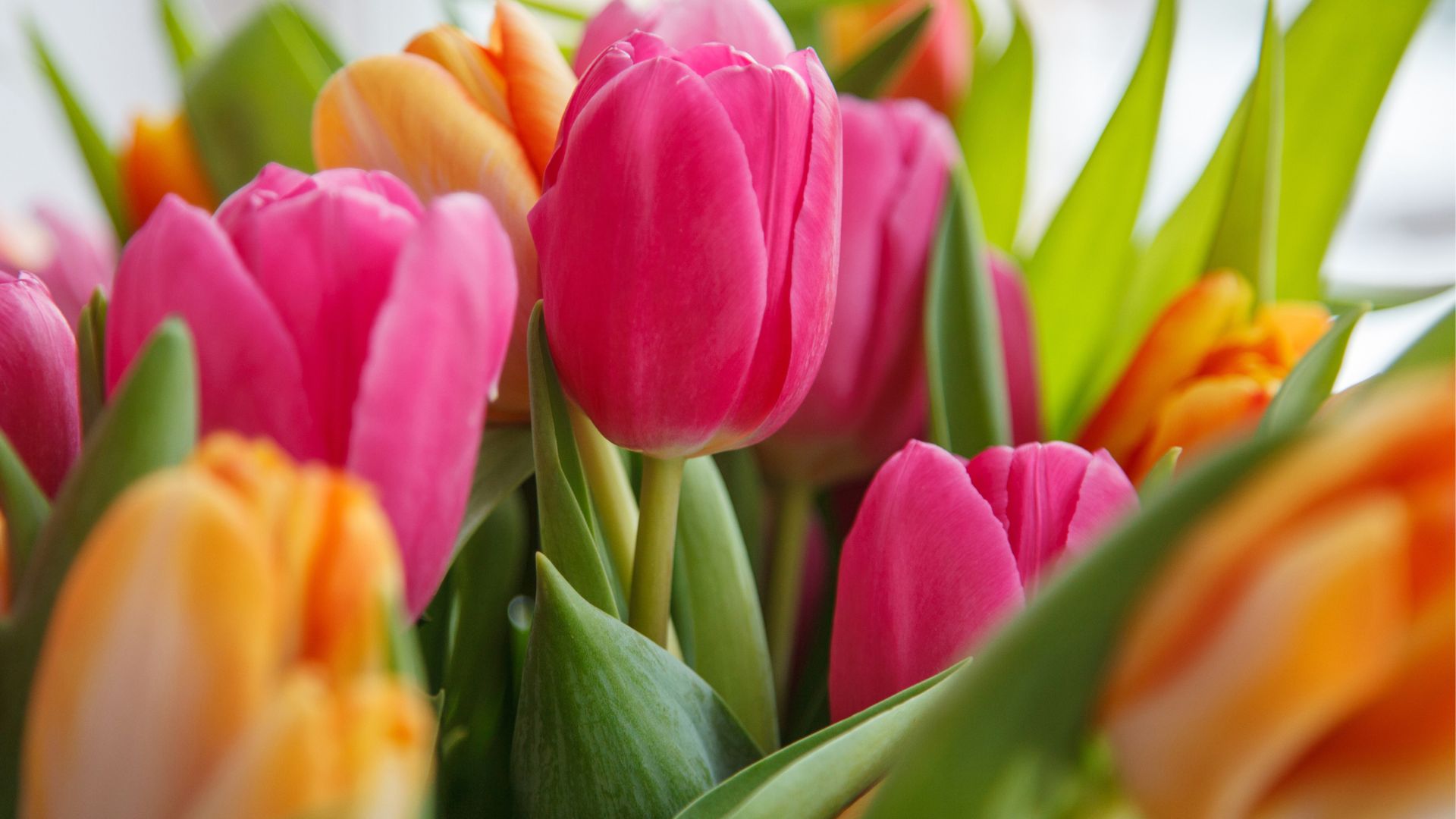
- Tulips: These classic spring flowers come in every color imaginable and are perfect for early season bouquets.
- Daffodils: A cheerful and easy-to-grow flower, daffodils are early bloomers that can be cut and added to vases for an instant spring feel.
- Crocuses: These delicate blooms pop up early in the spring and are excellent for small arrangements.
Late Spring to Early Summer:
- Peonies: Peonies have large, fragrant blooms and make the perfect centerpiece for any arrangement. Their peak bloom time is late spring to early summer.
- Lilacs: These fragrant flowers bloom in late spring and provide a beautiful, sweet scent for your bouquets.
- Alliums: These striking globe-like blooms add drama and texture to your vases in late spring or early summer.
Summer:
- Sunflowers: These bold, bright flowers thrive in summer heat and can fill a vase with cheerful energy.
- Zinnias: With their wide range of colors and long-lasting blooms, zinnias are perfect for adding variety and texture to your arrangements.
- Lavender: Not only does lavender smell wonderful, but it can also be dried and used in arrangements long after it’s harvested.
Fall:
- Chrysanthemums: These late-season bloomers come in a variety of colors and are perfect for autumn bouquets.
- Asters: Asters add lovely color and texture to your garden and are ideal for fall cut flowers.
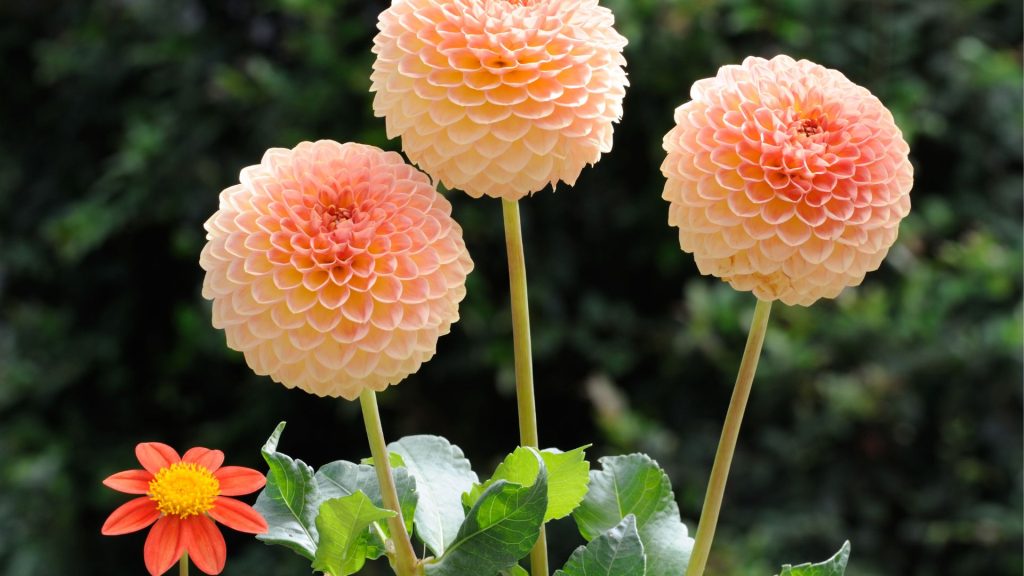
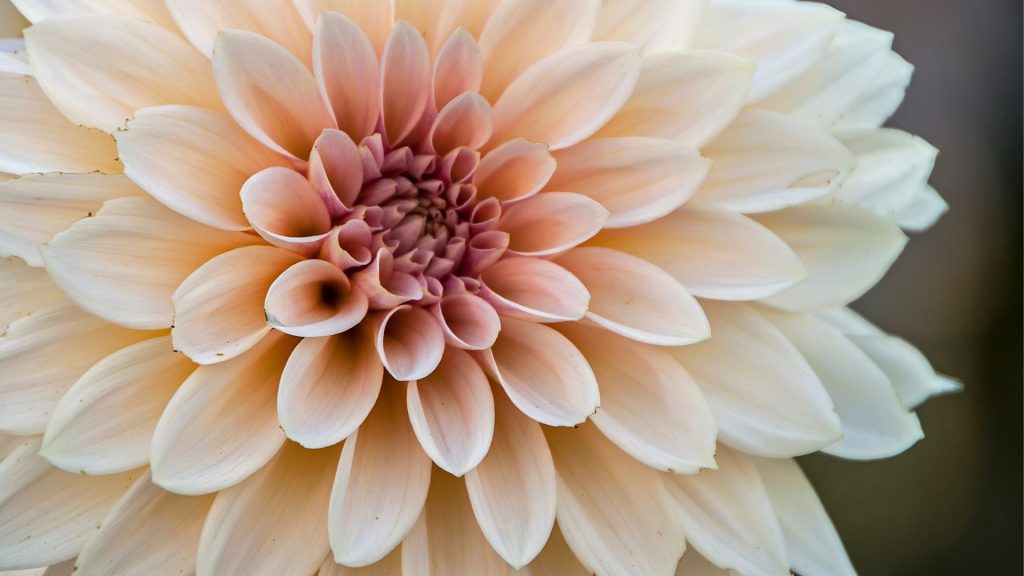
- Dahlias: Known for their dramatic, layered petals, dahlias bloom late in the season, filling your vases with rich, vibrant hues.
Step 3: Selecting the Best Cut Flower Varieties
When selecting flowers for your cut flower garden, it’s important to choose varieties that not only look beautiful but are also great for cutting. Some flowers hold up better in vases than others, and you’ll want flowers that last for several days or even weeks.
Here are some of the best flowers to grow for cutting:
- Roses: Classic and beautiful, roses are perfect for adding romance and elegance to your bouquets.
- Snapdragons: These tall, colorful flowers make excellent filler for larger arrangements.
- Larkspur: A great flower for height, larkspur adds a vertical element to your bouquets.
- Cosmos: With delicate petals and a soft, airy look, cosmos are perfect for casual, wildflower-style bouquets.
- Gladiolus: These striking flowers grow on tall spikes and offer a bold addition to any arrangement.
- Sweet Peas: Known for their sweet fragrance, sweet peas are a popular choice for cutting and adding to mixed bouquets.
- Calendula: These bright, sunny flowers are easy to grow and perfect for adding pops of color to your bouquets.

Step 4: Planting Your Cut Flower Garden
Once you’ve selected your flowers and mapped out a plan for continuous blooms, it’s time to start planting your garden. The best time to plant your cut flowers depends on the climate in your area and the specific flowers you’ve chosen. However, in general:
- Spring-planted flowers: Many of the flowers you’ll want to grow for cutting are annuals, so you’ll need to plant them each year. Plant these flowers after the danger of frost has passed.
- Perennials: Some flowers, like peonies, lavender, and echinacea, can be perennials that come back year after year. Plant them in well-drained soil and make sure to provide proper care, as they may need some time to establish themselves.
Planting Tips:
- Spacing: Follow the recommended spacing for each flower to ensure they have enough room to grow. Crowded plants can suffer from poor air circulation and may be more prone to disease.
- Soil: Prepare your soil by adding compost or organic matter to promote healthy growth. Most flowers prefer well-drained, fertile soil.
- Watering: Water your flowers regularly, especially during the hot summer months. However, be careful not to overwater, as this can lead to root rot. Consistent, deep watering is the key.
Step 5: Caring for Your Cut Flower Garden
Proper care is crucial for ensuring that your flowers stay healthy and produce abundant blooms for cutting. Here are a few key tips for keeping your cut flower garden thriving:
- Deadheading: Regularly remove spent flowers to encourage new blooms. Deadheading is especially important for flowers like zinnias, cosmos, and sunflowers, which will produce more blooms if their old flowers are removed.
- Staking: Tall flowers like gladiolus and delphiniums may need staking to prevent them from falling over. Install stakes early to avoid damaging the plants later on.
- Mulching: Apply a layer of mulch around your plants to retain moisture, suppress weeds, and maintain soil temperature.
- Fertilizing: Feed your flowers with a balanced fertilizer to promote healthy growth. You can also use organic fertilizers like compost to improve soil fertility.
- Pest Control: Keep an eye out for pests like aphids or slugs. If you spot pests, treat your plants with organic methods, like neem oil or insecticidal soap.
Step 6: Harvesting Your Flowers
The key to keeping your vases filled with beautiful blooms is knowing when and how to harvest your flowers. To ensure your flowers last as long as possible, follow these harvesting tips:
- Harvest early in the morning when the flowers are fully hydrated, and the temperatures are cooler.
- Use sharp, clean scissors or pruning shears to avoid damaging the stems.
- Cut flowers at the right stage of bloom: For many flowers, it’s best to harvest when the blooms are just starting to open or are at their peak. Some flowers, like lilies or peonies, will open fully once placed in water.
- Remove excess leaves and foliage from the stems to prolong the vase life.

Step 7: Arranging and Enjoying Your Bouquets
Once you’ve harvested your flowers, it’s time to create beautiful bouquets! Arrange your flowers by selecting blooms with varying heights and shapes. Consider adding some greenery, like ferns or eucalyptus, to fill in spaces and add texture. Don’t be afraid to experiment with color combinations and styles. With fresh flowers from your garden, you’ll have endless possibilities to create gorgeous floral arrangements.
Designing and planting a cut flower garden that provides fresh flowers all season is a fun and rewarding project. By planning for continuous blooms, choosing the right flowers, and providing proper care, you can create a garden that gives you beautiful bouquets to enjoy throughout the year. Not only will you fill your home with vibrant flowers, but you’ll also have the joy of growing them yourself—from seed to vase. Happy planting, and enjoy your floral bounty!