How to Overwinter Plants Indoors: A Complete Guide to Keeping Your Greenery Happy Through the Cold Months
As the chilly days of winter set in, you may be faced with the daunting task of deciding what to do with your beloved plants. Do you leave them outside and risk frost damage, or do you bring them indoors and try to keep them thriving? Fortunately, overwintering plants indoors is a great way to keep your garden vibrant and healthy throughout the colder months.
With the right care, many plants can survive the winter indoors and be ready to re-enter the garden come spring. In this guide, we’ll walk you through everything you need to know about overwintering plants indoors, from selecting the right plants to the steps for ensuring they flourish inside.

Why Overwinter Plants Indoors?
Overwintering plants indoors is a fantastic way to protect tender, non-hardy plants from harsh winter weather. These plants, which can’t survive freezing temperatures or frost, need a little extra help to survive through the colder months. By bringing them inside, you can create a controlled environment that allows them to stay alive and healthy until it’s time to return them outdoors.
Additionally, overwintering can help you extend the growing season for certain herbs, flowers, and tropical plants that wouldn’t normally survive your region’s winter conditions. It’s also an opportunity to enjoy vibrant greenery and colorful blooms indoors when everything else outside is dormant.
Selecting Plants to Overwinter Indoors
Not all plants are suitable for overwintering indoors. When choosing which plants to bring inside, focus on those that are not frost-hardy and are well-suited to indoor conditions. Here are some of the best options:
Tropical Plants
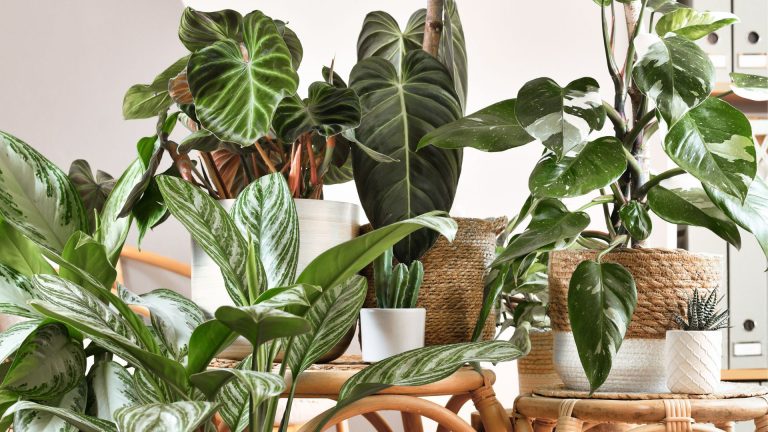
Tropical plants like fiddle leaf figs, spider plants, peace lilies, and monstera are often grown outdoors in warmer climates but can easily be overwintered indoors. They thrive in bright, indirect light and humidity, which can be recreated indoors during winter.
Herbs
If you grow herbs like basil, mint, oregano, and rosemary, overwintering them indoors allows you to keep them fresh for cooking throughout the winter. These herbs are sensitive to frost and typically need to be brought inside before the first frost.
Succulents and Cacti
Succulents like aloe vera, jade plants, and sedums often make great indoor plants during the winter months. While they’re drought-tolerant and don’t need a lot of care, they do better indoors during the cold months than outside.
Annual Flowers
If you’ve grown annual flowers like geraniums, begonias, or impatiens, you can take cuttings or dig up the plants and overwinter them indoors. These plants are not cold-hardy, so bringing them inside ensures they can survive until spring.
Tender Vegetables
Some vegetables like tomatoes, peppers, and lettuce can be overwintered indoors, but keep in mind they may need more light and space. Herbs and smaller vegetable plants tend to do better indoors than large ones.

Preparing Your Plants for Overwintering Indoors
Before you bring your plants inside, it’s important to prepare them properly to ensure they transition smoothly from the outdoor environment to the indoor space. Here’s how to get your plants ready for the indoors:
1. Clean the Plants
Start by carefully inspecting your plants for pests. Before bringing plants indoors, gently clean the leaves, stems, and soil of any dirt, dust, or insects. Use a damp cloth to wipe down the foliage, and for a deeper clean, you can rinse plants in the shower (make sure they’re fully dry afterward).
2. Prune and Trim
Cut back any leggy or dead growth. This will help the plant conserve energy and focus on healthy new growth once inside. Also, prune off any flowers, as they can stress the plant during its adjustment to indoor conditions.
3. Inspect for Disease
Check your plants for any signs of disease, such as yellowing leaves, mold, or mildew. If you find any issues, treat them before bringing the plant indoors. Fungal diseases can thrive in the more humid indoor environment.
4. Adjust to the Indoor Environment
Before placing the plant inside, it’s helpful to acclimate it gradually to indoor conditions. If possible, bring it into a cool, sheltered location outside for a few days to help it adjust to the temperature change. This will reduce the shock of transitioning from outdoor to indoor conditions.

Steps for Overwintering Plants Indoors
Once your plants are prepped and ready, it’s time to bring them inside. Here’s how to set them up for a successful winter indoors.
1. Choose the Right Spot Indoors
Plants need adequate light, especially during the winter months when daylight is shorter. Find a sunny spot in your home with plenty of bright, indirect light. A south-facing window is often ideal for most plants. However, be mindful of drafts from windows and doors, as cold air can stress your plants.
If you don’t have access to sufficient natural light, consider using grow lights. These special lights mimic the sunlight plants need to thrive, and they’re perfect for indoor gardens during winter.
2. Maintain the Right Temperature
Indoor temperatures typically hover around 60-70°F (15-21°C), which is suitable for many plants. However, some tropical plants might need slightly higher temperatures, while cool-weather plants like certain herbs or veggies might prefer it a bit cooler.
Avoid placing your plants in areas with temperature extremes, such as near heating vents, radiators, or drafty windows, as this can cause stress and dry out your plants. Consistent temperatures are key to keeping your plants comfortable.
3. Watering Needs
Plants don’t require as much water during the winter, as they’re not actively growing as much. Overwatering can be a common mistake when overwintering, so be sure to allow the soil to dry out between waterings. Ensure pots have proper drainage, as stagnant water can lead to root rot.
Check the moisture level by sticking your finger into the soil; if it feels dry an inch or two below the surface, it’s time to water. Be sure to water in the morning so excess moisture can evaporate by nightfall.
4. Humidity Control
Indoor air tends to be drier during the winter, especially with heating systems running. Many plants, especially tropical species, thrive in higher humidity levels. To boost humidity, consider using a humidifier, placing a shallow dish of water near your plants, or grouping plants together to create a microclimate with higher moisture in the air.
Misting your plants lightly can also help, but avoid over-wetting the leaves as this can encourage mold or mildew.
5. Keep an Eye on Fertilization
During winter, plants are in a dormant or slow-growing phase, so they don’t require much fertilization. If you’re overwintering plants indoors, avoid fertilizing them until the days get longer and temperatures warm up again. For most plants, reducing fertilization will prevent excess growth and strain.
6. Air Circulation
Good air circulation is crucial for preventing mold and fungal infections. If your space is overly humid or stuffy, consider using a small fan to improve air circulation. Just be sure to keep the fan at a low setting to avoid drying out the plants.

What to Do with Plants After Winter
Once spring rolls around, you’ll want to transition your plants back outside. Gradually acclimate them to outdoor conditions to prevent shock. Start by placing them outside for a few hours each day in a shaded area, and gradually increase their exposure to direct sunlight.
Once the threat of frost has passed, you can fully return them to their outdoor spots. Trim any dead or damaged growth that may have occurred during their indoor stay, and they’ll be ready for another growing season!
Common Problems When Overwintering Plants Indoors
While overwintering plants indoors is a great option, it does come with a few challenges. Here are some common issues to watch out for:
- Pests: Plants can still attract pests like aphids, mealybugs, and spider mites indoors. Keep an eye out for any signs of pests and treat them promptly with organic insecticidal soap or a natural pest control method.
- Leggy Growth: If your plant starts growing tall and thin (leggy), it may not be getting enough light. Move it to a brighter spot or supplement with grow lights.
- Leaf Drop: Some plants naturally shed leaves when brought indoors due to the change in environment. This is normal, but make sure your plant’s needs (water, light, humidity) are being met to minimize leaf drop.
My Sunny Thoughts
Overwintering plants indoors is a great way to extend the growing season, protect your tender plants from cold damage, and bring some greenery into your home during the colder months. With the right planning, preparation, and care, you can keep your plants happy and healthy throughout winter, and they’ll reward you with fresh growth when spring arrives.
By selecting the right plants, creating a suitable environment indoors, and adjusting your care routine to meet their needs, you can enjoy vibrant, thriving plants all year long. So don’t be afraid to bring your garden inside this winter—your plants will thank you!