

10 Common Seed Starting Mistakes and Simple Fixes to Help Your Plants Thrive
Starting seeds at home is an exciting part of gardening that allows you to grow a variety of plants in the comfort of your own space. Whether you’re growing vegetables, flowers, or herbs, sowing seeds can feel like a rewarding challenge. However, for many beginners (and even experienced gardeners), the seed-starting process can come with some bumps along the way.
If you’ve ever experienced leggy seedlings, poor germination rates, or weak plants that struggle to thrive, you’re not alone. Fortunately, most seed-starting mistakes can be avoided with a little knowledge and some careful planning. In this blog post, we’ll walk you through the most common seed-starting mistakes and provide tips on what you can do instead to ensure your seeds grow strong and healthy!
Mistake #1: Starting Seeds Too Early or Too Late
What Happens:
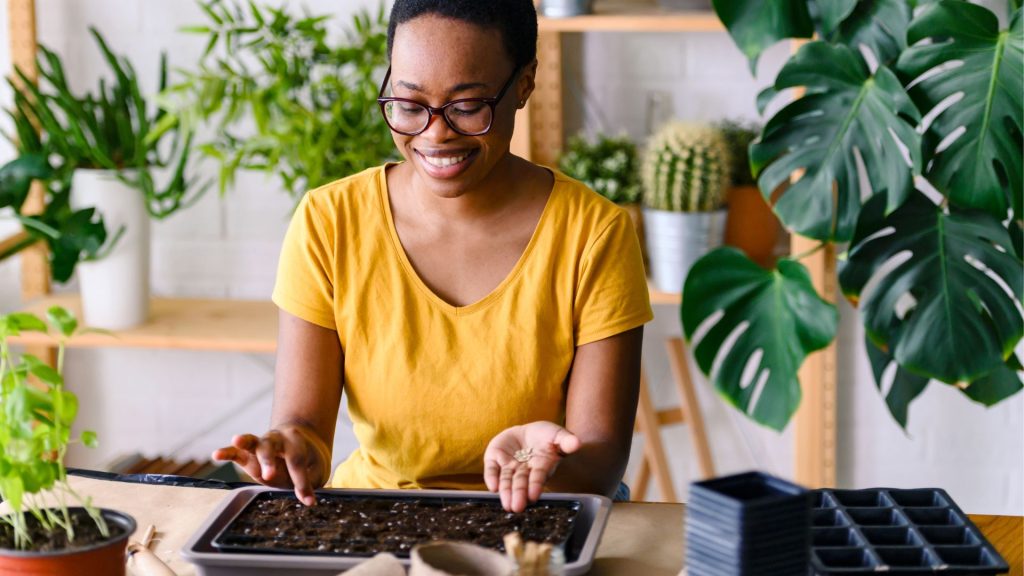
Starting seeds at the wrong time is one of the most common mistakes gardeners make. If you start too early, your plants might outgrow their containers before it’s time to transplant them into the garden. On the other hand, starting too late could leave your plants too small to thrive outdoors once the weather warms up.
What to Do Instead:
To avoid starting seeds at the wrong time, check the recommended sowing dates for each type of plant you’re growing. Seed packets typically provide this information, but you can also look up local planting guides online. Consider your hardiness zone and the last frost date in your area to determine the best time to start seeds indoors. For example, many seeds should be started indoors 6-8 weeks before the last expected frost date.
Mistake #2: Overwatering or Underwatering
What Happens:
Seeds and seedlings need water, but too much or too little can be detrimental. Overwatering can lead to root rot, mold, and unhealthy seedlings, while underwatering can stunt growth or cause seeds to dry out before they can sprout.
What to Do Instead:
Water your seeds consistently but avoid soaking the soil. The soil should be kept moist but not soggy. Use a spray bottle or a watering can with a gentle shower head to water the soil evenly without disturbing the seeds. It’s essential to monitor soil moisture regularly, especially during the germination period. After seedlings have sprouted, reduce watering frequency to avoid root rot but ensure they still receive enough moisture.

Mistake #3: Using the Wrong Soil
What Happens:
Using garden soil or heavy potting soil for seed starting can suffocate delicate seedlings. Garden soil can be too dense, leading to poor drainage, while heavy potting soil may contain too many nutrients, which can overwhelm seedlings.
What to Do Instead:
Choose a lightweight, well-draining seed-starting mix specifically formulated for germination. These mixes are designed to provide the perfect balance of aeration and moisture retention for tiny seeds. You can find seed-starting mix at most garden centers or online. Alternatively, you can make your own by combining peat moss, perlite, and vermiculite for excellent drainage and air flow.
Mistake #4: Not Providing Enough Light
What Happens:
One of the most common issues new gardeners face is leggy or weak seedlings that stretch toward the light. Without enough light, seedlings become weak and elongated, making them more susceptible to disease and failure once transplanted outdoors.
What to Do Instead:
Seeds need plenty of light to grow strong and healthy. If you’re starting seeds indoors, provide your seedlings with 12-16 hours of light a day. You can use grow lights to ensure your plants get enough light, even on cloudy days or in low-light rooms. Keep the lights close to the seedlings (a few inches above them) to prevent stretching. If you don’t have grow lights, place your seedlings on a sunny windowsill, but be aware that they may need supplemental lighting if the sun isn’t strong enough.
Mistake #5: Planting Seeds Too Deep
What Happens:
Planting seeds too deep can make it difficult for them to germinate. Most seeds need to be planted just under the soil surface to receive enough light and oxygen. If they’re buried too deep, they may struggle to break through the soil and may not germinate at all.
What to Do Instead:
Follow the guidelines on the seed packet for planting depth. As a general rule of thumb, most small seeds should be planted 1/8 to 1/4 inch deep, while larger seeds may require planting 1/2 inch or deeper. If you’re unsure, a simple rule is to plant seeds about three times as deep as their size.
Mistake #6: Using Containers Without Drainage
What Happens:
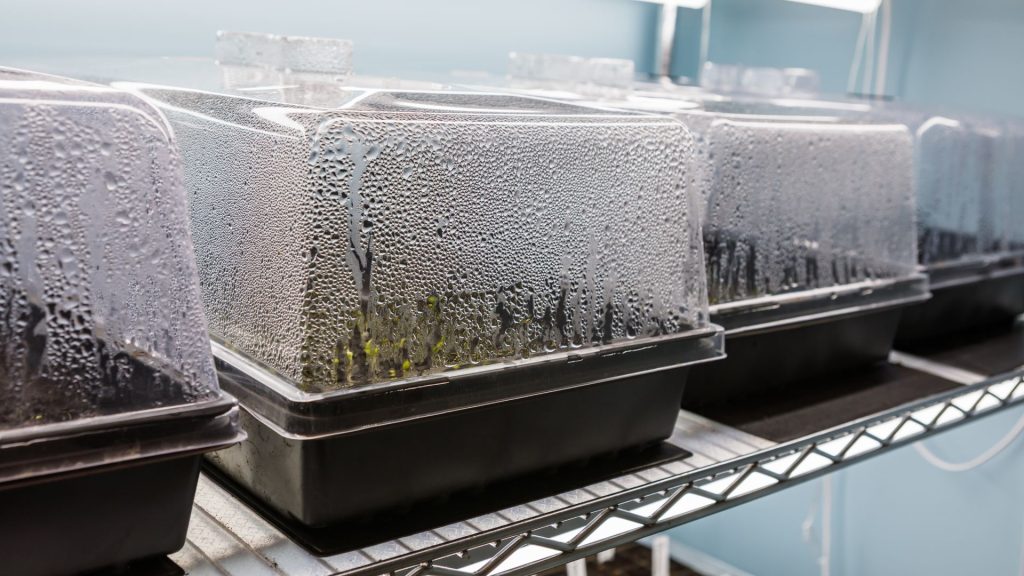
If your seed trays or pots don’t have drainage holes, excess water can collect at the bottom and suffocate the roots. This can lead to mold growth, root rot, or seedling death. Without proper drainage, seeds can struggle to establish healthy root systems.
What to Do Instead:
Always use containers with drainage holes to allow excess water to escape. If you’re using a tray to collect water, make sure the tray has enough depth to catch any runoff but doesn’t leave the containers sitting in water for long periods. If you’re reusing containers, like yogurt cups or old nursery pots, just be sure to drill a few small drainage holes before planting.
Mistake #7: Not Hardening Off Seedlings
What Happens:
If you take your seedlings directly from the warm indoors to the harsh outdoor environment without gradually acclimating them, they can suffer from shock, sunburn, or wind damage. Seedlings need time to adjust to the temperature fluctuations and sunlight outdoors.
What to Do Instead:
Before transplanting your seedlings outside, you’ll need to “harden them off.” This means gradually exposing them to outdoor conditions over the course of 7-10 days. Start by placing your seedlings outside for just a couple of hours on the first day in a shaded spot. Gradually increase their exposure to direct sunlight and outdoor temperatures over the course of the week. By the end of the hardening off period, your seedlings should be ready to face the elements.
Mistake #8: Overcrowding Seedlings
What Happens:
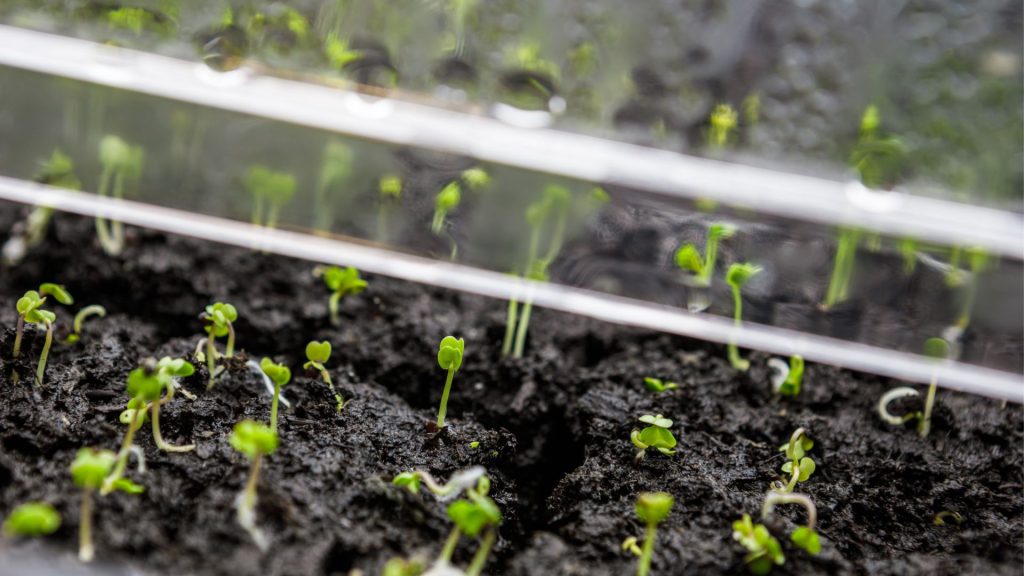
Overcrowding seedlings can lead to poor air circulation, which makes it easier for diseases and fungi to spread. It also competes for resources like light, water, and nutrients, causing weak or stunted growth.
What to Do Instead:
When sowing seeds, make sure to plant them at the proper spacing as recommended on the seed packet. As seedlings begin to grow, thin them out to avoid overcrowding. Gently pull out the weakest plants and leave the strongest ones with adequate space to grow. If you’ve started a lot of seeds in a small tray, you can also transplant the strongest seedlings into larger pots to give them room to grow.
Mistake #9: Ignoring Temperature Requirements
What Happens:
Each seed has a specific temperature range at which it germinates most effectively. If the temperature is too hot or too cold, your seeds may not sprout or may struggle to thrive.
What to Do Instead:
Check the seed packet for the optimal temperature range for germination. Some seeds require warm conditions, while others need cooler temperatures. Use a seed heat mat to keep soil warm and consistent if you’re starting seeds indoors in a cooler environment. On the other hand, ensure your seeds aren’t exposed to too much heat, which can dry out the soil and damage the seeds.
Mistake #10: Giving Up Too Soon
What Happens:
Seed starting can be a waiting game. Sometimes, germination takes longer than expected, and it’s easy to give up if you don’t see results right away. However, impatience can lead to premature actions, such as watering too much, adjusting light too often, or discarding seeds too soon.
What to Do Instead:
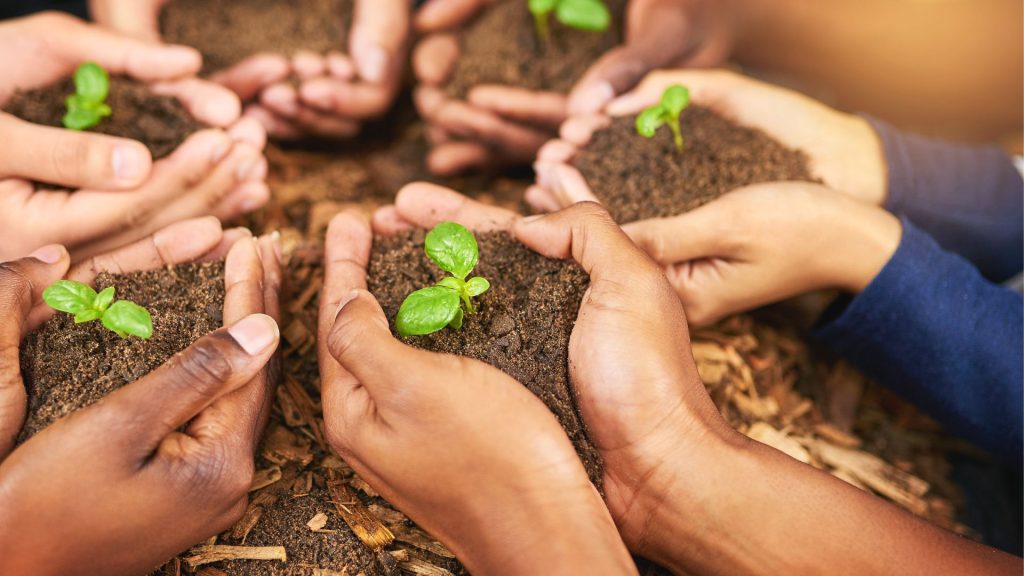
Patience is key when starting seeds. Some seeds can take several weeks to germinate, so it’s important to wait it out. If you don’t see results immediately, don’t be quick to toss them out. Keep the soil moist, maintain the proper temperature and light conditions, and trust the process. If seeds haven’t germinated after the recommended period, consider replanting or trying a different batch.
My Sunny Thoughts
Seed starting is a rewarding and exciting experience, but it can also be a bit tricky. By avoiding these common mistakes and following the tips provided in this guide, you can increase your chances of success and grow strong, healthy plants from seed. Remember to be patient, monitor your seedlings regularly, and provide the right conditions for each plant to thrive.


