Top 5 Homesteading Mistakes to Avoid
Homesteading is an exciting and rewarding journey, but it’s also one that comes with its fair share of challenges. Whether you’re starting your homesteading journey on a small suburban lot or a large rural property, beginners often encounter a few common pitfalls. While some mistakes are a natural part of the learning process, others can slow down your progress and make your homesteading experience more stressful than it needs to be.
In this guide, we’ll discuss the top five homesteading mistakes that new homesteaders often make, why these mistakes happen, and most importantly, how to avoid them. By understanding and learning from these common challenges, you’ll be better equipped to build a thriving, sustainable homestead from the start.

Mistake #1: Overestimating How Much You Can Handle
Why This Happens:
In the excitement of starting a homestead, many beginners underestimate the amount of work required to keep things running smoothly. It’s easy to dream big—wanting to grow an entire garden, raise a bunch of livestock, and build a beautiful homestead, all at once. However, homesteading is a marathon, not a sprint, and overcommitting early on can leave you overwhelmed, burnt out, or frustrated.
How to Avoid It:
- Start Small: Don’t dive into every aspect of homesteading all at once. Focus on one or two key projects at first—maybe start with a small vegetable garden and a few chickens, rather than trying to grow a large-scale farm or raise numerous animals. Starting small helps you build confidence and experience gradually.
- Set Realistic Expectations: It’s easy to get excited about the possibilities, but setting achievable goals is essential. Realize that homesteading is a long-term commitment. The work never truly ends, but it becomes easier and more rewarding as you gain experience and refine your systems.
- Build a Support System: Surround yourself with other homesteaders, whether in person or through online communities. Having a support network can help prevent burnout when things get tough, and you’ll learn valuable tips from those who have walked the path before you.
By taking small, manageable steps, you’ll reduce the risk of burnout and ensure a smoother transition into your homesteading life.

Mistake #2: Ignoring the Importance of Soil Health
Why This Happens:
For many first-time homesteaders, the excitement of planting seeds and watching things grow can overshadow the critical role that soil health plays in the success of a garden. Soil is the foundation of any successful homestead garden, and neglecting to prepare it properly can lead to disappointing yields and a lot of wasted time and effort.
How to Avoid It:
- Test Your Soil: Before you even plant your first crop, test your soil. Soil testing kits are available at garden centers or through local agricultural extension offices. Understanding your soil’s pH, nutrient levels, and composition is essential for determining what amendments you need.
- Improve Soil Fertility: Based on your soil test results, add organic matter such as compost, manure, or cover crops. These amendments will increase the fertility of your soil, improve its texture, and help retain moisture, creating an ideal growing environment for your plants.
- Practice Crop Rotation and Companion Planting: Even if you’re new to gardening, learning about crop rotation and companion planting will greatly improve the health of your soil. Rotating crops every season helps prevent nutrient depletion and reduces pest buildup. Companion planting, on the other hand, encourages beneficial plant relationships, like growing basil with tomatoes to ward off pests.
By taking care of your soil, you’re setting your garden up for long-term success and ensuring that your plants thrive year after year.

Mistake #3: Underestimating the Time Commitment
Why This Happens:
When people think of homesteading, they often picture idyllic farm life: relaxed mornings in the garden, tending to animals, and living in harmony with nature. While homesteading can indeed be peaceful and fulfilling, it’s important to understand that it’s a lot of work. There are daily chores, seasonal tasks, and unforeseen emergencies that will require time and energy.
How to Avoid It:
- Create a Routine: One of the best ways to manage the time commitment of homesteading is to establish a daily routine. This includes regular times for feeding animals, watering plants, harvesting, and maintenance. Having a structured schedule helps you stay on track and ensures that nothing gets neglected.
- Outsource or Delegate Tasks: If you’re managing a large homestead or raising multiple animals, you might need help. Don’t be afraid to ask for help from family, friends, or hire out tasks like fencing repairs or larger construction projects. A little extra labor can make a big difference in reducing your overall workload.
- Time Block and Prioritize: Time blocking is a strategy where you allocate specific time slots during the day to focus on particular tasks. For example, set aside an hour every morning to tend to the garden, then allocate the afternoon to animal care or preservation work. Prioritizing your tasks based on the season (e.g., planting in spring, harvesting in summer) can help you stay focused on what’s most urgent.
By setting a realistic expectation for how much time each task will take and organizing your schedule, you’ll be better prepared to manage the responsibilities of homesteading.

Mistake #4: Skipping Proper Planning for Infrastructure
Why This Happens:
Homesteading can be a DIY lover’s dream, but without proper planning, projects can quickly spiral out of control. Many beginners get excited about building chicken coops, greenhouses, or gardening beds without thoroughly thinking through their designs or the long-term needs of their homestead.
How to Avoid It:
- Design Your Space: Take time to plan out your homestead’s layout. Make sure that structures like garden beds, compost bins, and animal shelters are placed strategically to maximize space and ensure efficiency. For example, locate your garden near a water source, or set up animal pens close to the barn for easy feeding.
- Invest in Quality Infrastructure: Don’t skimp on essential infrastructure like fencing, animal shelters, or irrigation systems. A poorly constructed chicken coop or garden fence can lead to frustration and increased costs down the road.
- Plan for Expansion: Consider your long-term needs. Even if you’re starting small, think about how you might expand or diversify in the future. A small greenhouse or hoop house can give you more growing space in winter months, and a larger chicken coop may be needed as you increase your flock.
Good planning and well-thought-out designs will save you time, money, and frustration as you continue to develop your homestead.
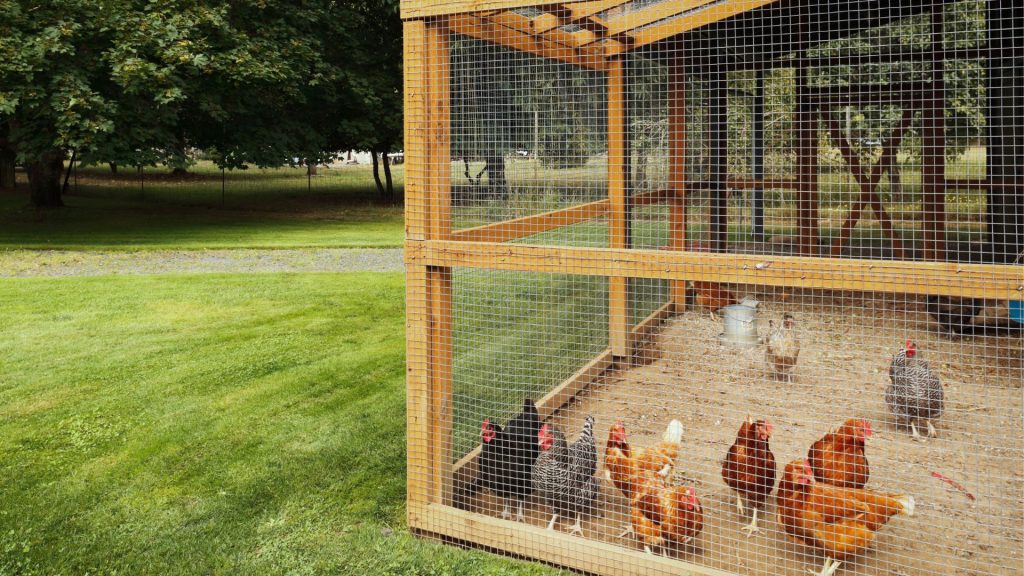
Mistake #5: Neglecting to Learn About Animal Husbandry Before Getting Livestock
Why This Happens:
For many homesteaders, raising livestock is a major part of the dream. However, it’s easy to get caught up in the excitement of owning animals like chickens, goats, or pigs without fully understanding what’s required for their care and well-being. This can lead to improper animal care, illness, and even loss of animals.
How to Avoid It:
- Do Your Research: Before acquiring any animals, make sure you thoroughly research their specific needs. Learn about their diet, shelter requirements, and common health issues. For example, goats need specific fencing to prevent escape, and chickens need proper nesting boxes and roosting space.
- Start Small with Livestock: Just like with gardening, start small when it comes to animals. Begin with a manageable number of animals that are easier to care for, like a small flock of chickens. As you gain experience, you can expand to other types of livestock such as goats, pigs, or cows.
- Understand Seasonal Care: Different animals have different needs depending on the season. Make sure you’re prepared for seasonal changes and have the proper shelter and feed for colder months, or know how to manage animals during the heat of summer.
Learning about animal care and starting with small, manageable flocks or herds will set you up for success and prevent you from feeling overwhelmed by the demands of livestock care.

My Sunny Thoughts
Homesteading is an incredibly fulfilling lifestyle, but it’s not without its challenges, especially when you’re just starting out. By avoiding these top five homesteading mistakes—overcommitting, neglecting soil health, underestimating time commitments, skipping infrastructure planning, and failing to understand animal husbandry—you can make your homesteading journey much smoother, more enjoyable, and successful.
Remember, homesteading is a learning process, and you don’t need to do it all at once. Take it one step at a time, and soon enough, you’ll be reaping the rewards of a well-organized, thriving homestead.
What homesteading mistakes have you learned from along the way? Do you have any tips to share with others just starting out? Leave a comment below to continue the conversation!