

Budget-Friendly Gardening: How to Create a Stunning Garden Without Breaking the Bank
Gardening is one of the most rewarding hobbies, offering a way to connect with nature, unwind, and transform your outdoor space. But let’s face it: creating a beautiful garden can sometimes come with a hefty price tag. From buying plants and soil to investing in tools and decorations, the costs can quickly add up.
But don’t worry—gardening on a budget doesn’t mean sacrificing beauty! In fact, with a little creativity, resourcefulness, and patience, you can create a stunning garden that fits your budget and your style. Whether you’re a seasoned gardener or a beginner looking to spruce up your outdoor space without emptying your wallet, this guide has practical tips and tricks to help you design a beautiful garden without breaking the bank.

1. Start with a Plan
Before you start planting or buying supplies, take the time to sketch out a plan for your garden. Planning is key to maximizing your space and budget. By having a clear vision, you’ll avoid impulse purchases and ensure that your garden design is both beautiful and functional.
Here’s how to get started:
- Assess your space: Take a look at your garden space. How much sunlight does it get? What is the soil like? Are there any areas that are overly shaded or prone to wind? Understanding your space will help you choose the right plants and avoid costly mistakes.
- Define your style: Are you envisioning a lush cottage garden, a minimalist zen space, or a vibrant flower haven? Your personal style will guide your plant choices, layout, and overall design.
- Set a budget: Determine how much you’re willing to spend and allocate your budget to different categories (plants, soil, tools, etc.). This will help you prioritize your purchases and stick to your budget.
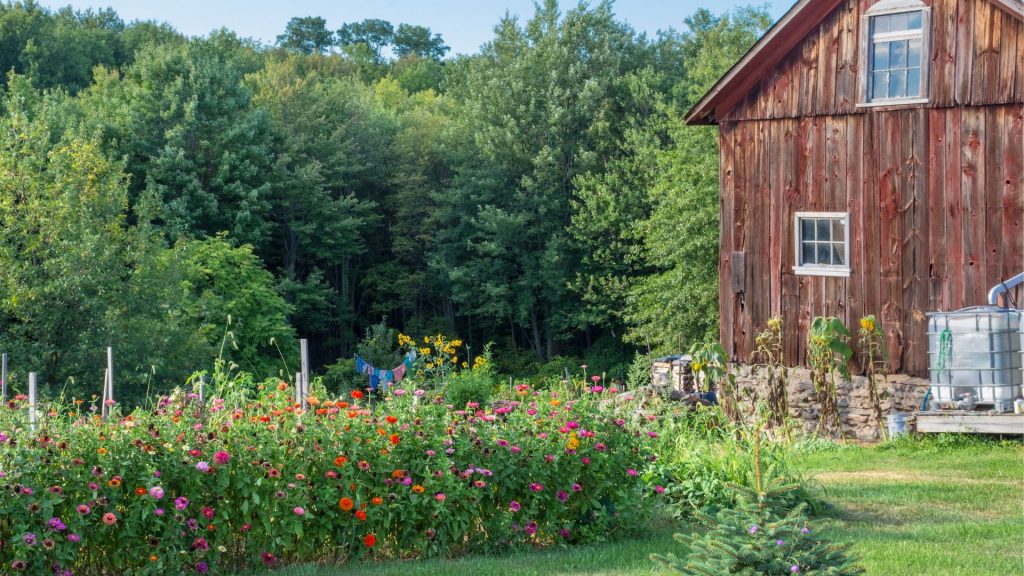
2. Choose Affordable Plants
One of the biggest expenses in gardening can be buying plants. But there are plenty of ways to save money while still filling your garden with beautiful blooms and greenery. Here are a few tips for choosing affordable plants:
- Buy in Bulk: Many garden centers and local nurseries offer discounts for bulk purchases. If you need several plants of the same type, consider buying them all at once for a lower price per plant.
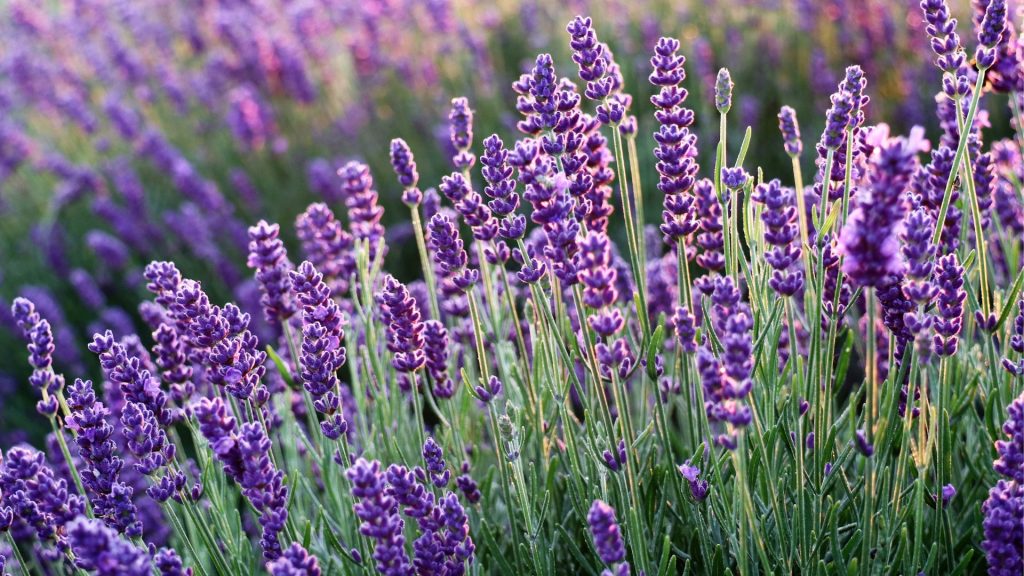
- Consider Perennials Over Annuals: While annuals bloom for one season and need to be replanted each year, perennials come back year after year, providing long-term value. Choosing perennials like lavender, coneflowers, and hostas will save you money in the long run, as they keep coming back without the need for replanting.
- Look for Local or Native Plants: Native plants are well-suited to your region’s climate and soil, making them hardier and easier to maintain. They often require less water and fertilizer, saving you money on upkeep. Plus, local nurseries or garden exchanges may offer affordable native plants.
- Shop Sales and Discounted Plants: Keep an eye out for plant sales, especially in late summer or early fall when many garden centers discount plants that are nearing the end of their blooming season. Even plants that are a little “worn out” can still thrive with some care in your garden.
- Plant from Seed: Growing plants from seeds is one of the most budget-friendly options. While it takes more time and patience, starting from seed allows you to grow a wide variety of plants at a fraction of the cost. Plus, there’s something incredibly rewarding about watching your seeds grow into beautiful flowers or vegetables!
- Divide Existing Plants: If you have established plants in your garden, consider dividing them to create new plants. Many perennials, such as daylilies, hostas, and irises, can be divided and replanted, saving you money on buying new ones.

3. Save Money on Tools and Supplies
Having the right tools is essential for a successful garden, but gardening tools can be pricey. Fortunately, there are several ways to save money on supplies without sacrificing quality:
- Buy Secondhand: Many thrift stores, yard sales, and online marketplaces (like Craigslist or Facebook Marketplace) have gently used garden tools at a fraction of the price of new ones. Look for quality tools that will last for years without breaking the bank.
- Multi-Use Tools: Instead of purchasing a tool for every single task, look for versatile tools that can handle multiple jobs. For example, a good pair of pruning shears can be used for trimming plants, cutting flowers, and even shaping small trees. A sturdy hoe or rake can be used for both weeding and soil preparation.
- DIY Tools: You can even create some garden tools yourself. For example, a simple wooden stake can be used to create row markers, or you can repurpose old containers as plant pots. Pinterest is full of creative DIY gardening ideas that can save you money while adding a unique touch to your garden.
- Opt for Organic or Homemade Fertilizers: Fertilizers and soil amendments can get expensive, but you can make your own compost at home for free. Start a compost pile using kitchen scraps, yard waste, and organic material to create nutrient-rich soil for your garden. Homemade compost is not only cost-effective but also environmentally friendly.

4. Get Creative with Garden Structures
Garden structures like fences, trellises, and raised beds can add charm to your space, but they can also be costly. However, with a little creativity, you can build your own garden structures without spending a lot of money:
- Repurpose Materials: Instead of buying expensive wood for raised beds or fences, look for free or low-cost materials like old pallets, scrap wood, or even cinder blocks. You can create functional and rustic garden beds or garden walls using these materials.
- Build Your Own Trellises: Trellises are perfect for climbing plants like peas, beans, and cucumbers. You can easily make your own trellis with inexpensive materials such as bamboo poles, garden wire, or even old window frames.
- Upcycle Containers: Instead of buying fancy pots and planters, get creative with containers you already have. Old buckets, tin cans, and wine crates can all be repurposed into charming planters. Just make sure to drill drainage holes in the bottom of any containers you use.
5. Practice Smart Watering and Maintenance
Watering your garden can become expensive, especially in areas with high water rates. Fortunately, there are several ways to save on water and maintenance costs:
- Rainwater Harvesting: Install a rain barrel to collect water from your roof. This is a great way to water your garden for free, especially during dry spells.
- Mulching: Adding mulch around your plants helps retain moisture in the soil, reducing the need for frequent watering. Mulch also prevents weeds from taking over your garden, saving you time and effort on maintenance.
- Water Wisely: Water your garden early in the morning or late in the evening when temperatures are cooler, preventing evaporation and making the most of every drop of water. Also, consider drip irrigation or soaker hoses to target water directly to the roots of your plants, minimizing waste.
- Proper Plant Care: Healthy plants require less water and fertilizer, so ensure that you are planting in the right conditions for each variety. Take care to prune and deadhead plants regularly, which will help them grow strong and bloom more abundantly.

6. Shop Smart for Garden Decor
While garden decor can elevate the look of your garden, it doesn’t have to be expensive. Here are some budget-friendly ideas for adding charm and personality to your space:
- DIY Decorations: Use your creativity to make your own garden decorations. You can make stepping stones, bird feeders, or garden markers using inexpensive materials like stones, clay, or even wine corks.
- Nature-Inspired Decor: Take inspiration from the natural elements around you. Fallen branches can be used to create a rustic archway, and stones can be used to create a winding path through your garden.
- Repurpose Old Items: Items you no longer use, such as old bicycles, buckets, or even shoes, can be repurposed as quirky planters or garden features. The possibilities are endless, and it’s a great way to reduce waste while adding personality to your garden.
A Beautiful Garden on Any Budget
Creating a stunning garden doesn’t have to drain your wallet. By planning your garden, choosing affordable plants, using creative materials, and making smart choices about tools and maintenance, you can build a beautiful outdoor space without spending a fortune. With patience, resourcefulness, and a bit of creativity, you can enjoy the rewards of a gorgeous garden that fits your budget.
What budget-friendly gardening tips do you swear by? Have you found any creative ways to save money while creating a beautiful garden? Share your thoughts and experiences in the comments below—I’d love to hear how you make gardening affordable and fun!


