Everything You Need To Know About Growing Gorgeous Dahlias
Dahlias are a gardener’s dream—vibrant, versatile, and with blooms that come in virtually every color of the rainbow. These stunning flowers can add instant drama and elegance to your garden, whether you’re looking for a single plant to brighten up a spot or creating a dazzling display with a variety of shapes and sizes. However, dahlias can require a bit of attention to truly thrive, but once you get the hang of it, they’ll reward you with breathtaking blooms from mid-summer to fall.
In this comprehensive guide, we’ll dive into everything you need to know about growing dahlias—from planting times to bloom care, watering, soil needs, and how to overwinter them for next season. With a little bit of knowledge and care, you can enjoy dahlias in your garden for years to come!
What Are Dahlias?
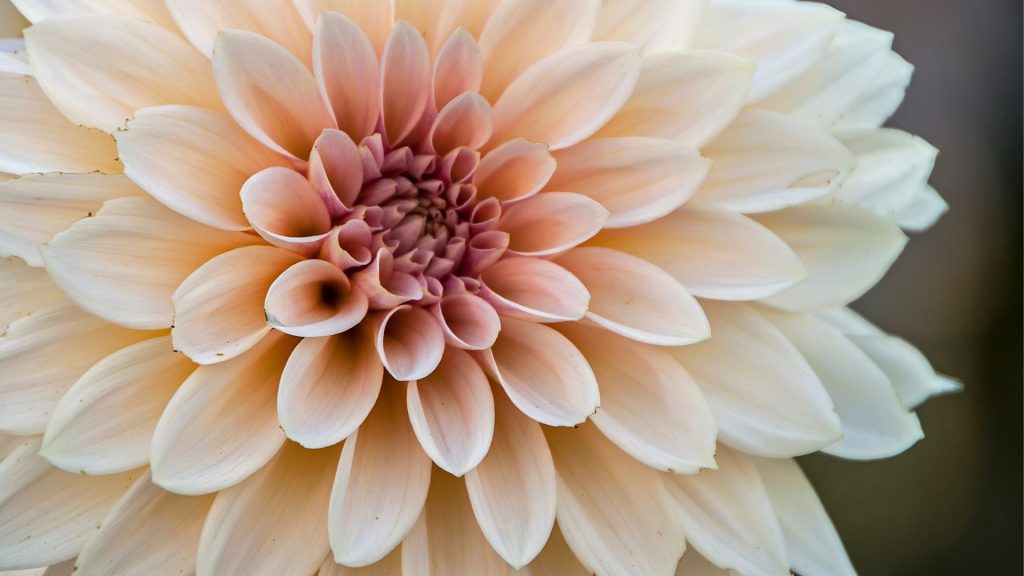
Dahlias are native to Mexico and Central America, and they belong to the Asteraceae family, which also includes sunflowers and chrysanthemums. With their dramatic, multi-petaled flowers, dahlias have become a favorite for gardeners and florists alike. There are over 40 species and hundreds of varieties, each offering different sizes, shapes, and colors. From dinnerplate-sized blooms to small pom-pom varieties, dahlias are incredibly versatile and can suit nearly every garden style.
When to Plant Dahlias
Dahlias are typically planted in the spring after the last frost date has passed. This is usually between late April and early May, depending on your climate. They need warm soil to get going, so be sure the soil temperature is consistently above 60°F (15°C) before planting.
Tips for Spring Planting:
- Wait until all danger of frost has passed. If you’re in a cooler climate, it may be best to wait until early summer to plant.
- If you’re starting from tubers (more on that later), you can pre-sprout them indoors about 4-6 weeks before your last frost date. This will give them a head start, so they bloom earlier in the season.

Sun and Soil Requirements for Dahlias
Dahlias thrive in full sun—the more sunlight, the better! Aim for at least 6 hours of direct sunlight per day. In shadier spots, they may become leggy and fail to bloom as vigorously. However, be cautious about planting dahlias in areas where they are exposed to intense afternoon sun in very hot climates, as they might suffer from sunburn.
Soil Needs:
Dahlias prefer well-drained soil that is rich in organic matter. A slightly acidic to neutral pH (between 6.0-7.0) is ideal. If your soil is heavy or clay-like, amend it with compost or well-rotted manure to improve drainage.
Good drainage is crucial because dahlias do not like “wet feet” or waterlogged soil. Too much moisture can lead to root rot and other fungal diseases.
Watering Dahlias
Dahlias need regular watering, especially during hot, dry spells. However, they are susceptible to root rot if they sit in wet soil for too long, so be mindful of the soil’s moisture level.
Watering Tips:
- Deep Watering: Water deeply at the base of the plant, avoiding the foliage, to ensure the roots are well-hydrated. Deep watering encourages the roots to grow deeper, making the plant more resilient to drought.
- Consistent Moisture: Keep the soil evenly moist, but not soggy. You’ll want the soil to dry out slightly between waterings, but not too much. On average, dahlias need about 1 inch of water per week, more in hotter months.
- Drip Irrigation or Soaker Hoses: Consider using drip irrigation or soaker hoses to provide slow, consistent moisture to the soil. This helps reduce the chance of disease, as watering from above can encourage fungal issues.
How to Deadhead Dahlias
Deadheading—removing spent flowers—is an essential part of dahlia care. Regular deadheading will not only help keep your plants looking neat, but it also encourages the plant to produce more blooms throughout the growing season.
How to Deadhead Dahlias:
- Wait until the flower starts to fade, then use clean, sharp pruning shears or scissors to remove the spent flower.
- Cut the flower back to the stem: Make sure to cut just above the first set of leaves or buds to encourage new growth.
- Remove any damaged or diseased leaves or stems to maintain the plant’s health.
Deadheading can be done throughout the growing season, so make it a habit to check your dahlias regularly and trim away any spent flowers.
Overwintering Dahlias (How to Save Tubers for Next Year)
One of the most important aspects of caring for dahlias is knowing how to properly overwinter the tubers. While dahlias are perennial in their native habitat, they cannot survive freezing temperatures, so gardeners in colder regions need to dig up the tubers each fall and store them until spring.
How to Overwinter Dahlias:
- Digging Up the Tubers: After the first frost, wait until the foliage turns black and wilts. Use a shovel or garden fork to gently lift the tubers from the soil, taking care not to damage them.
- Cleaning the Tubers: Shake off excess soil and rinse gently with water. Trim any remaining stems to about 2 inches.
- Drying the Tubers: Allow the tubers to dry out for 1-2 days in a cool, dry, and well-ventilated area. This helps prevent mold or rot during storage.
- Storage: Store the tubers in a cool, dark, dry place, such as a basement or garage. Keep them in a container with peat moss, vermiculite, or sawdust to keep them dry. The ideal storage temperature is around 40°F (4°C). Avoid storing them in plastic bags, as they can trap moisture and cause rot.
- Check Regularly: During the winter, check the tubers every few weeks for signs of rot or mold. Discard any tubers that appear unhealthy.

Digging and Replanting Dahlia Tubers
Once spring arrives, it’s time to dig up your stored dahlia tubers and replant them for another growing season. This process is relatively simple, but it’s important to follow a few steps to ensure success.
Steps for Digging and Replanting Dahlias:
- Inspect the Tubers: Before replanting, check the tubers for any signs of rot or damage. If there are any soft or mushy spots, discard the tuber.
- Planting in Spring: As mentioned earlier, plant your dahlias after the last frost date. Space the tubers about 12-18 inches apart, depending on the variety, and plant them about 4-6 inches deep.
- Water Well: After planting, water the tubers deeply. You may see some initial growth in the form of small shoots after a few weeks.
- Fertilizing: Dahlias are heavy feeders, so consider adding a slow-release fertilizer or compost when planting. You can also feed them with a balanced liquid fertilizer every 4-6 weeks during the growing season.
Dahlia Varieties to Try in Your Garden
The world of dahlias is vast, with hundreds of varieties to choose from. Here are some popular types:
- Dinnerplate Dahlias: Known for their large blooms (up to 10 inches across), these dahlias make a bold statement in the garden.
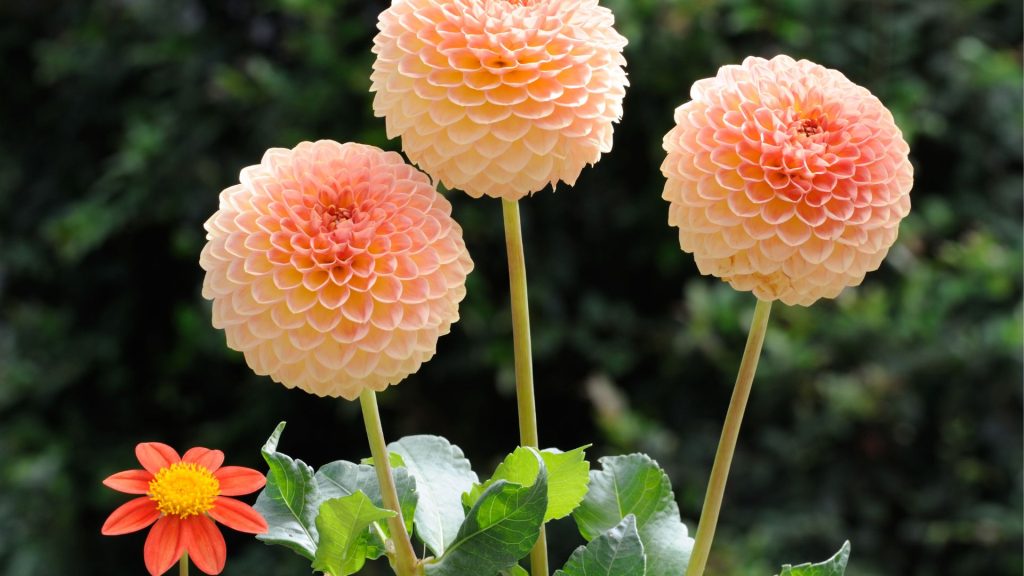
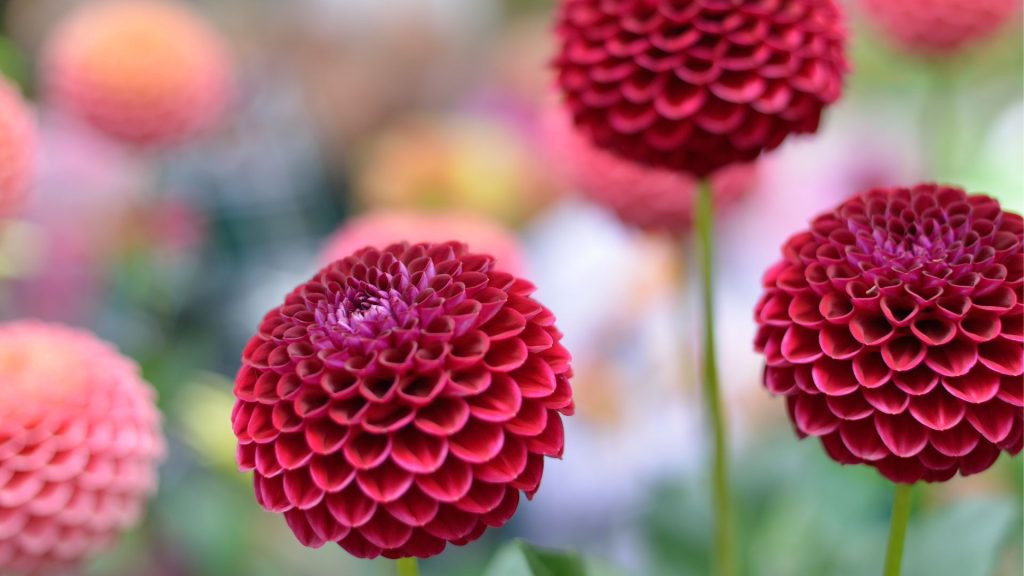
- Pompon Dahlias: These smaller, round flowers are perfect for adding texture and color to arrangements.
- Cactus Dahlias: With their spiky, pointed petals, cactus dahlias create a unique, dramatic look.
- Ball Dahlias: These compact, rounded blooms are ideal for containers or smaller garden spaces.
- Waterlily Dahlias: Featuring elegant, layered petals, waterlily dahlias are graceful and beautiful.
Common Dahlia Problems
While dahlias are relatively hardy, they can face a few challenges in the garden. Here are some common problems and how to address them:
- Aphids: Aphids are small insects that can damage dahlias by sucking out sap. Use insecticidal soap or a strong stream of water to remove them.
- Powdery Mildew: This fungal disease often appears as white spots on leaves. Ensure good air circulation, avoid overhead watering, and remove affected foliage.
- Botrytis (Gray Mold): Botrytis can affect dahlias, especially during wet weather. Remove any diseased foliage and avoid overcrowding plants.
The Beauty of Dahlias
Dahlias are a stunning addition to any garden, offering bold, beautiful blooms that last throughout the summer and into fall. With proper care, including planting at the right time, giving them the proper sun and soil conditions, and ensuring they’re overwintered properly, your dahlias will thrive year after year.
By following the tips in this guide, you’ll be well on your way to growing vibrant, healthy dahlias that’ll wow your neighbors and provide you with gorgeous cut flowers for your home.