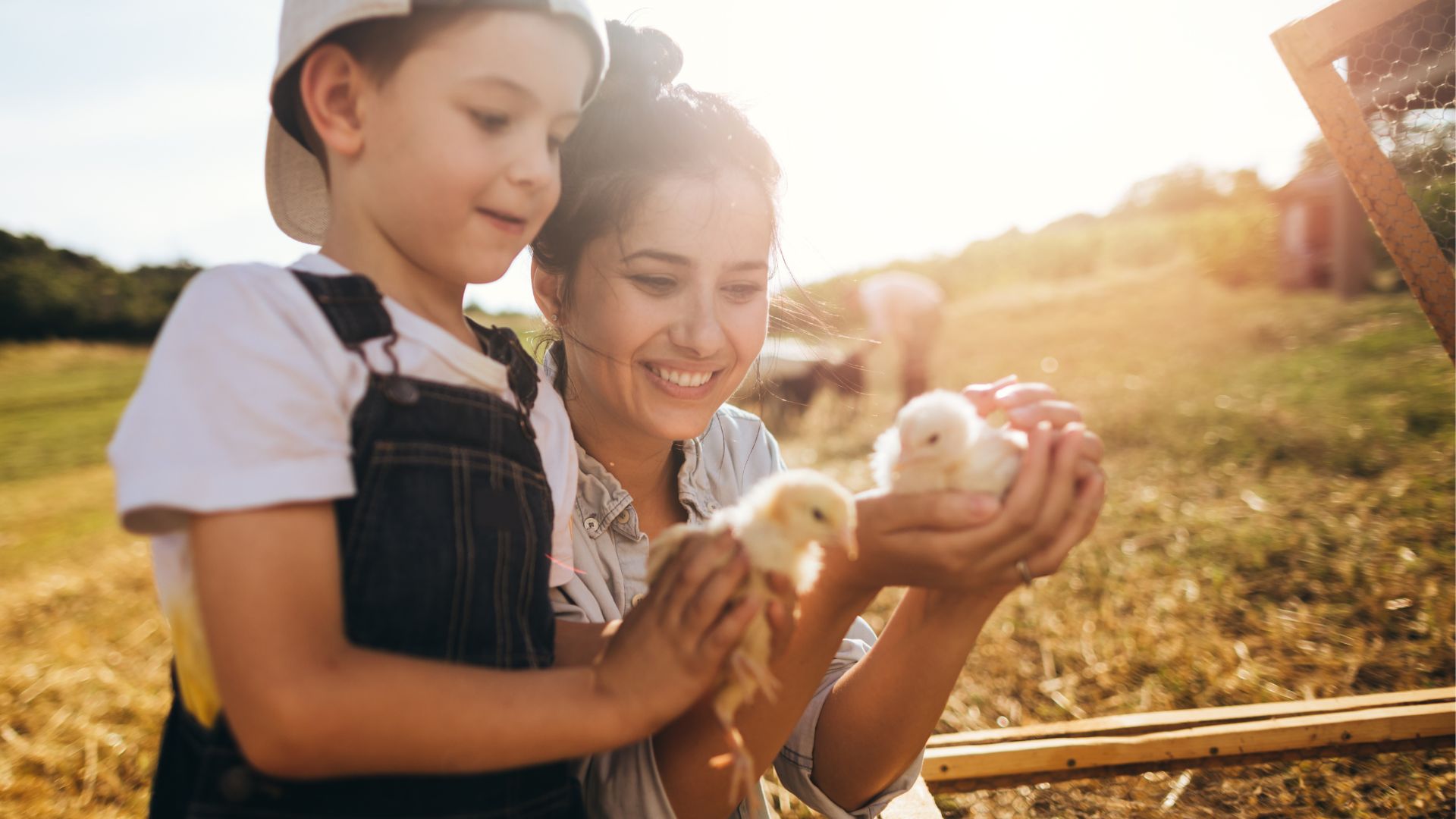
Homesteading for the Entire Family–Raising Kids on a Self-Sufficient Homestead
Homesteading is more than just a lifestyle; it’s a way of embracing simplicity, self-sufficiency, and a deeper connection to nature. For families, it can be a rewarding, enriching experience that fosters learning, growth, and a strong sense of togetherness. Raising kids on a homestead provides a unique opportunity to teach them valuable life skills, instill a strong work ethic, and show them the beauty of the natural world.
In this post, we’ll explore the ins and outs of homesteading as a family, from age-appropriate tasks for children to family-friendly activities that can create lasting memories and life lessons. Whether you’re new to homesteading or have been on your journey for years, this guide will provide you with tips and ideas to help make your homestead a fun and educational environment for kids.
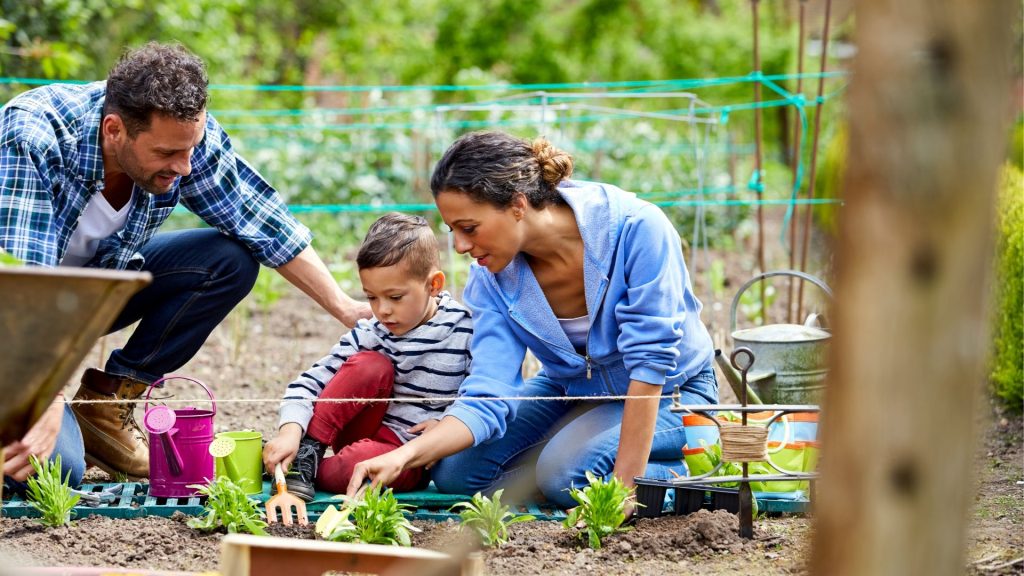
Why Homesteading is a Perfect Fit for Families
Homesteading is an excellent way to involve children in the process of becoming more self-sufficient. It teaches them responsibility, patience, and the importance of hard work, all while allowing them to experience the joys of growing food, caring for animals, and making things with their hands. The skills that kids learn while growing up on a homestead will serve them for a lifetime—whether they’re planting their first garden, gathering eggs from the chickens, or helping with simple repairs around the house.
Additionally, living on a homestead provides a fantastic setting for family bonding. With outdoor tasks, hands-on learning opportunities, and a shared vision of sustainability, homesteading allows families to spend quality time together and build strong relationships.
Age-Appropriate Tasks for Kids on the Homestead
Homesteading is a lifestyle where everyone, regardless of age, can contribute in meaningful ways. From toddlers to teenagers, there are plenty of age-appropriate tasks that kids can take on to feel involved and accomplished. These tasks not only help run the homestead but also teach valuable skills and instill a sense of pride in the work they do.
For Toddlers (Ages 2-4)
Even the littlest ones can help on the homestead! At this age, tasks should be simple, fun, and safe. Toddlers can help with:
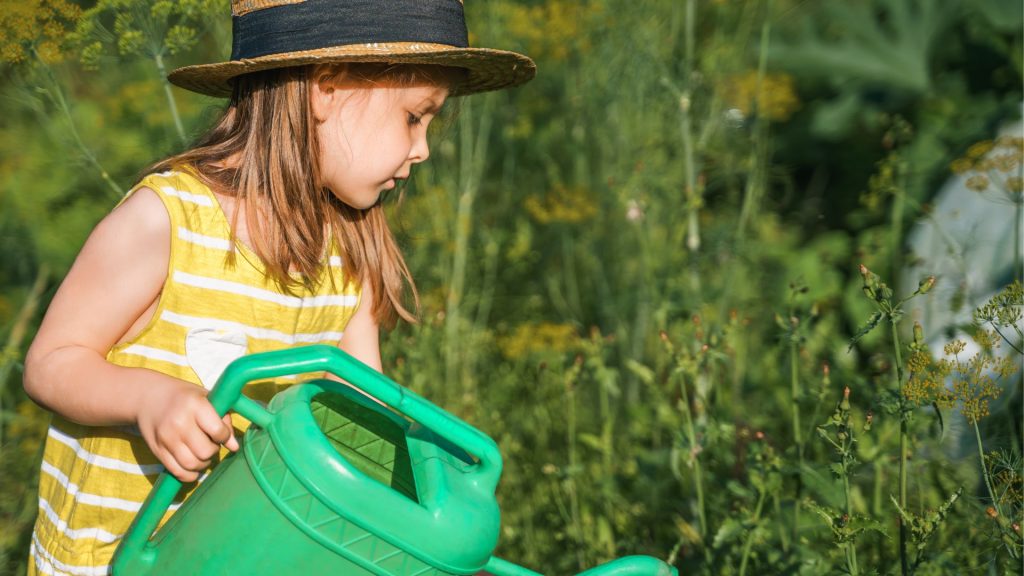
- Watering Plants: Give them a small watering can and let them “water” the garden. It’s a great way to teach them about plants, growth, and nature.
- Picking Vegetables: Let them help you harvest easy-to-pick vegetables like tomatoes, beans, and strawberries. Kids love the excitement of picking food right from the garden.
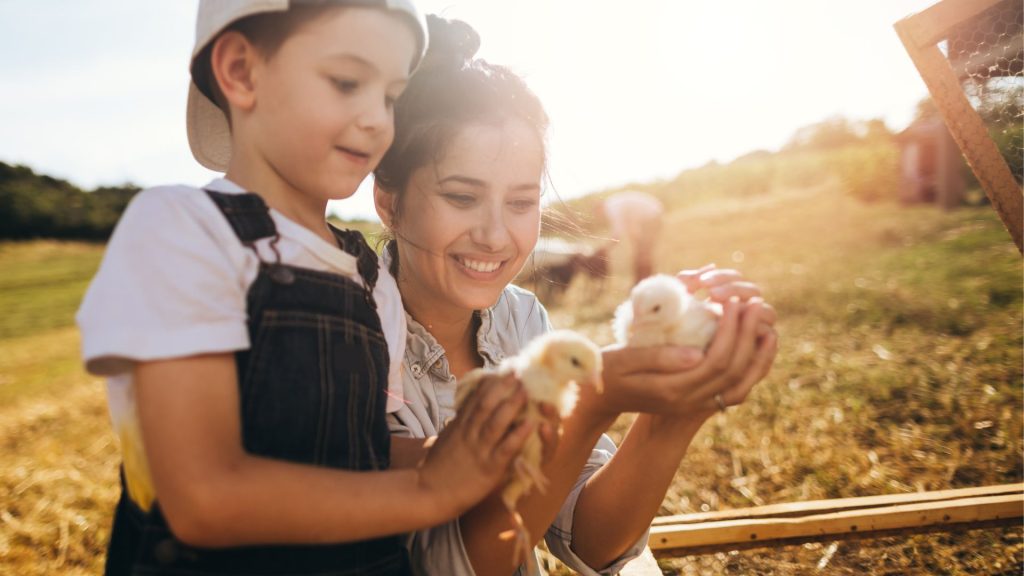
- Feeding Animals: Toddlers can help feed chickens or other small animals, with supervision. They can hand over treats like scraps or small amounts of food to the animals.
These early experiences build a connection to the land and introduce kids to the satisfaction of working with nature.

For Preschoolers (Ages 4-6)
Preschoolers are more capable of taking on small, supervised tasks around the homestead. While their attention span might be short, they’re capable of helping with a variety of chores:
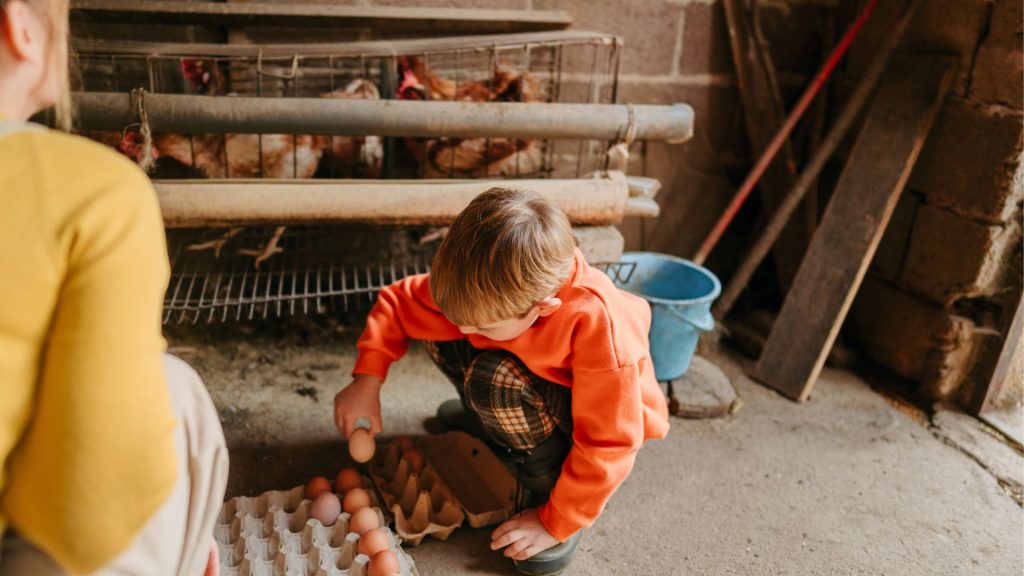
- Collecting Eggs: This is a perfect task for young kids. Show them where to find the eggs in the henhouse, and let them gently collect them. This teaches responsibility and the joy of tending to animals.
- Planting Seeds: Get them involved in starting a garden by allowing them to plant seeds or small seedlings. Teach them how to gently press the seeds into the soil and explain what each plant will grow into.
- Washing Vegetables: Once the vegetables are harvested, let preschoolers help wash them. It’s a simple task that gives them a sense of involvement in the food-to-table process.
These small tasks foster a sense of responsibility and help children understand the basics of food production and animal care.
For Early Elementary (Ages 6-8)
As children grow, they can take on more responsibility and participate in more challenging tasks. At this stage, children can start to understand the connection between the work they do and the benefits for the homestead:
- Gardening: Kids can start weeding, planting more complex plants, and even creating their own small garden plots. They can be responsible for certain crops, learning about plant care and the need for sun, water, and nutrients.
- Caring for Animals: They can help with larger animal chores, such as feeding goats, pigs, or cows, cleaning the chicken coop, or giving the animals fresh water. These tasks teach them empathy, and caring for animals builds a strong connection to nature.
- Simple Repairs: Teaching kids how to use basic tools, such as a hammer, screwdriver, or hand rake, to fix fences or help with building projects can be empowering and develop their practical skills.
For Preteens and Teenagers (Ages 9-13+)
As kids get older, their involvement in homesteading can expand even further. At this age, children can take on complex tasks with little supervision, making them feel truly integral to the success of the homestead:
- Animal Husbandry: Preteens and teenagers can take on more advanced responsibilities with the animals, including milking goats or cows, cleaning barns, and ensuring proper care and maintenance of animal health.
- Canning and Preserving: In the fall, kids can help with canning, preserving fruits and vegetables, and even making jams, jellies, and pickles. This teaches food preservation skills and gives them a sense of accomplishment when they see the fruits of their labor stored for future use.
- Building and DIY Projects: Teenagers are capable of participating in more complex building projects, such as constructing a garden shed, building animal pens, or assisting with larger homesteading infrastructure like water collection systems or renewable energy setups.
- Cooking and Baking: Cooking from scratch is a great skill for older kids to master. Let them help prepare meals using ingredients from the garden and animals they’ve helped care for. This can include making bread, canning vegetables, or preparing a family meal from what they’ve harvested.
By giving older kids and teenagers more responsibilities, you’ll not only teach them self-sufficiency, but you’ll also instill a sense of pride in their work and provide them with practical life skills that will serve them well throughout their lives.

Family-Friendly Homesteading Activities
Homesteading offers numerous opportunities for family bonding and fun, all while staying productive. Here are a few family-friendly activities to try:
1. Gardening as a Family
Create a family garden where each member has a plot to care for. Not only does this teach kids about growing food, but it also promotes teamwork and cooperation as everyone contributes to the overall success of the garden.
2. Harvest Celebrations
Hold a harvest celebration at the end of each season to celebrate the fruits of your labor. This could include a family feast made with ingredients from your homestead, fun outdoor games, or even inviting friends and neighbors to join in the festivities.
3. DIY Projects
Work on a family DIY project, such as building a chicken coop, constructing a treehouse, or crafting garden markers. These projects allow kids to learn valuable skills while spending time together as a family.
4. Nature Walks and Foraging
Take regular walks through your property or nearby woods and teach the kids about foraging for wild edibles, such as herbs, berries, and mushrooms. This activity connects children to nature and teaches them about wild food sources.
5. Family Volunteering
If you have the capacity, volunteering together with local farming communities, farmers’ markets, or animal rescue organizations can be an enriching experience for the whole family. It’s a great way to give back while learning about other self-sufficiency practices.
Teaching Self-Sufficiency to Kids
The most significant lesson you can impart to your children is the value of self-sufficiency. Homesteading is the perfect environment to teach them about independence, resourcefulness, and how their efforts directly contribute to the well-being of the family and the environment.
By involving them in practical tasks and explaining the reasons behind each activity, you’re helping them develop problem-solving skills and an appreciation for the hard work that goes into producing food, building structures, and taking care of animals. These lessons will stay with them, creating a sense of confidence that they can carry into adulthood, no matter where they end up.
Final Thoughts
Raising kids on a homestead is a unique and incredibly rewarding experience. It offers countless opportunities for hands-on learning, personal growth, and family bonding. By incorporating age-appropriate tasks, encouraging teamwork, and fostering an appreciation for self-sufficiency, you’re providing your children with valuable life skills that will benefit them throughout their lives.
As you continue your homesteading journey, remember that every step you take brings your family closer to a more self-sufficient, sustainable future. Homesteading isn’t just about growing food or raising animals; it’s about teaching your children the importance of working together, living sustainably, and embracing a lifestyle that values hard work and connection to the land.
What are your favorite family homesteading activities? Do you have any tips for making homesteading fun and educational for kids? Share your thoughts and experiences in the comments below!