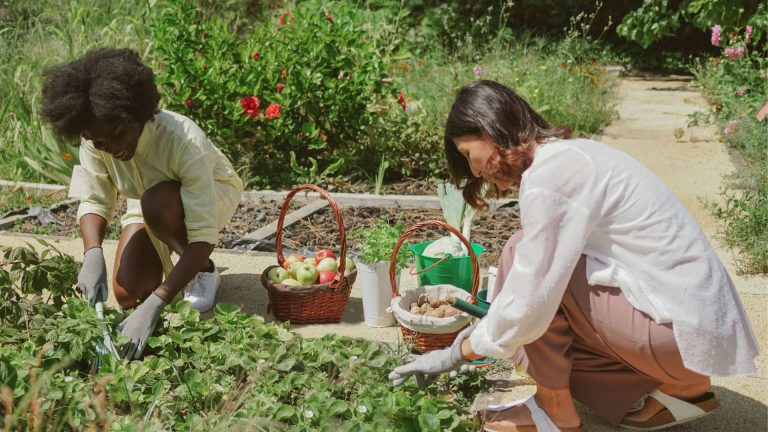
Easy & Effective Vegetable Gardening: A Beginner’s Blueprint
Are you ready to dig into the world of vegetable gardening but feel unsure where to start? You’re not alone! Starting a vegetable garden can seem overwhelming, but trust us — it’s one of the most rewarding experiences you can have. There’s nothing like the satisfaction of growing your own food, whether you’re using a tiny balcony or a sprawling backyard.
In this beginner-friendly guide, we’ll walk you through everything you need to know to get your garden growing strong and healthy. From choosing the right vegetables to planting and caring for your crops, this post is packed with tips, tricks, and practical advice that will set you up for success.
Why Start a Vegetable Garden?
Before we dive into the how-to, let’s talk about why vegetable gardening is such a fantastic hobby. Here are just a few reasons why you might want to give it a go:
- Fresh, Organic Food: Growing your own veggies means you know exactly what’s going into your food. Plus, you can harvest them at their peak of flavor.
- Physical and Mental Health Benefits: Gardening is a great way to get outdoors, get moving, and reduce stress. Plus, studies show that time spent in nature can boost your mood and improve overall well-being.
- Sustainability: By growing your own food, you’re contributing to a more sustainable environment. You reduce your carbon footprint and avoid the packaging and waste associated with store-bought produce.
- Cost Savings: Growing your own vegetables can save you money in the long run, especially if you love fresh produce.
Now that you’re convinced, let’s get started on the basics of vegetable gardening for beginners.

Step 1: Choosing the Right Location for Your Garden
The first thing you need to decide is where your garden will live. Whether you have a massive backyard or just a small balcony, there’s a place for your vegetable garden.
Sunlight is Key
Vegetables need plenty of sunlight to grow well. Look for a spot that gets at least 6-8 hours of direct sunlight a day. This will help your plants grow strong, healthy, and productive. If your space is shaded or doesn’t get that much sunlight, don’t worry! Some vegetables, like leafy greens (spinach, lettuce, kale), actually do well in partial shade.
Soil Quality
Good soil is the foundation of a healthy vegetable garden. Before planting, test your soil’s quality. You can buy a simple soil test kit to measure the pH and nutrient levels. Most vegetables grow well in loamy soil, which is rich in organic matter and drains well. If your soil is heavy or clay-like, consider adding compost or other organic materials to improve its texture.
Space and Containers
Not everyone has access to a huge garden, but that doesn’t mean you can’t grow vegetables! If you’re short on space, consider container gardening. You can grow many vegetables in pots, raised beds, or even hanging baskets. Just make sure the containers have drainage holes, and choose plants that suit the size of your container.

Step 2: Selecting the Right Vegetables to Grow
The beauty of vegetable gardening is that you can grow a wide variety of veggies, but it’s important to choose ones that will thrive in your specific environment and growing conditions. Here are some great vegetable options for beginners:
Best Vegetables for Beginners:
- Lettuce and Salad Greens: These are fast-growing, easy-to-grow veggies that don’t require a lot of space. You can harvest them as baby greens or let them grow to full size.
- Tomatoes: A garden favorite! They’re relatively easy to grow, especially in containers, and yield plenty of fruit. If you’re short on space, consider growing cherry tomatoes, which take up less room.
- Radishes: Radishes are super fast-growing and perfect for beginner gardeners. You can sow them directly into the soil and have them ready for harvest in as little as 3-4 weeks.
- Carrots: Carrots are simple to grow, and they don’t require a lot of maintenance. They do well in loose, well-drained soil.
- Zucchini: Zucchini plants are very productive and don’t require much care. A couple of zucchini plants can produce more fruit than you’ll know what to do with!
- Peas: Peas are a great cool-season crop that thrives in the early spring or fall. They’re easy to grow and don’t take up much space.
- Herbs: Basil, parsley, mint, and cilantro are easy to grow in containers or small spaces. They can even be grown indoors!

Consider Your Climate
Before choosing your vegetables, consider your local climate and growing season. Some vegetables, like tomatoes and peppers, require a longer growing season, while others, like radishes and peas, thrive in cooler temperatures.
Step 3: Planting Your Garden
Now that you’ve chosen your location and vegetables, it’s time to plant! Follow these steps to make sure your plants get off to a strong start:
Starting Seeds vs. Buying Transplants
As a beginner, you may be wondering whether to start seeds indoors or buy seedlings from a garden center. Both options have pros and cons:
- Starting Seeds Indoors: This is a more affordable option, but it requires some extra time and effort. You’ll need grow lights, seed trays, and a warm space for the seeds to sprout.
- Buying Transplants: Purchasing seedlings from a garden center is an easier option, and you’ll skip the early stages of seedling care. However, it can be more expensive.
How to Plant:
- Follow spacing guidelines: Make sure to space your plants according to the instructions on the seed packet. Overcrowding can lead to weak growth and pest problems.
- Plant at the right depth: Some seeds need to be planted deeper than others. Read the seed packet for depth recommendations, and always plant seeds gently into loose, well-prepared soil.
- Water well after planting: Keep the soil consistently moist as the seeds germinate. Be careful not to overwater, as this can lead to rot.

Step 4: Care and Maintenance
Taking care of your vegetable garden is the next step in ensuring its success. Here’s a quick overview of essential gardening tasks:
Watering
Vegetables need regular watering, especially during dry spells. However, it’s essential to water deeply and infrequently rather than shallow, frequent waterings. This encourages deep root growth. Always water at the base of the plant, and avoid getting the leaves wet to prevent fungal diseases.
Mulching
Mulch is a gardener’s best friend! It helps retain moisture in the soil, prevents weed growth, and keeps the roots cool. Spread 2-3 inches of organic mulch (like straw, grass clippings, or wood chips) around your plants to help conserve water and keep the soil healthy.
Fertilizing
Vegetables are hungry plants, so fertilizing is essential to ensure they have the nutrients they need to grow strong. Use an organic fertilizer or compost to provide essential nutrients. Be mindful not to over-fertilize, as this can lead to excessive leaf growth at the expense of fruit production.
Pruning and Harvesting
Prune your plants by removing dead or damaged leaves, and as plants grow, pinch back any side shoots to encourage more blooms and fruit. Harvest your veggies when they’re ripe! Regular harvesting can help promote further growth and prevent your plants from becoming too crowded.

Step 5: Managing Pests and Diseases
Every gardener faces pests, but don’t worry — most pests can be controlled with natural or organic methods. Here are some common pests to watch for:
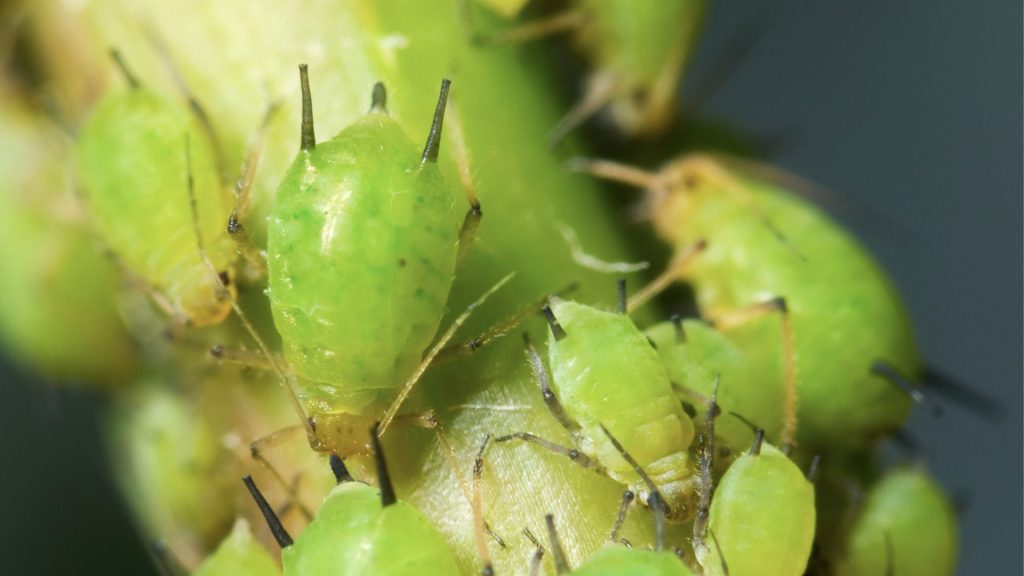
- Aphids: These little insects suck plant sap and can cause leaves to curl. Try using a soapy water spray to wash them off.
- Slugs and Snails: They love to munch on tender leaves and stems. Handpick them or use diatomaceous earth to keep them at bay.
- Tomato Hornworms: If you’re growing tomatoes, keep an eye out for these large caterpillars. Pick them off by hand.
Prevent disease by practicing good garden hygiene, rotating crops yearly, and choosing disease-resistant varieties of plants.
Step 6: Enjoy Your Harvest!
The moment you’ve been waiting for — harvest time! Your vegetables are ready to be picked, eaten, or preserved. Enjoy the fruits (and vegetables) of your labor, and feel proud of the time and effort you’ve put into your garden. Remember, gardening is a continuous learning process, so each year you’ll improve your skills and grow even more successful crops.

Now that you’re equipped with all the tools you need to start your vegetable garden, we’d love to hear from you! What vegetables are you most excited to grow? Or, if you’ve already started gardening, what tips do you have for beginners? Share your thoughts in the comments below — let’s start a gardening conversation!