How to Start Beekeeping in Your Backyard: A Simple and Informative Guide for Beginners
Beekeeping, or apiculture, is a rewarding and fascinating hobby that can provide you with delicious honey, beautiful beeswax, and a deeper connection to nature. Whether you’re interested in starting a beehive in your backyard or you’re considering it as a sustainable practice, beekeeping for beginners can be both fun and educational. In this guide, we’ll take you through the basics of beekeeping, from setting up your hive to maintaining it, and we’ll help you avoid common mistakes beginners make when starting out.
Why Start Beekeeping?
There are many reasons why people decide to become beekeepers. For some, it’s the joy of harvesting honey and producing it in small batches to enjoy throughout the year. For others, it’s about sustainability and the importance of supporting pollinators in the environment. Bees play a critical role in pollination, contributing to the growth of over 75% of flowering plants, including about one-third of the foods we eat. By keeping bees, you’re not just helping nature — you’re helping yourself too.
The benefits of beekeeping are endless. Bees are fascinating creatures that are incredibly important to our ecosystem. By keeping a beehive, you’ll not only help with pollination in your garden but also make a positive impact on local biodiversity. Plus, you’ll get fresh honey, beeswax for crafting, and even the possibility of selling your honey to earn a bit of extra income.
1. Understanding the Basics of Beekeeping
Before you rush to set up a beehive, it’s essential to understand the basics of beekeeping. Here are the key things you need to know:
A Beehive’s Structure:
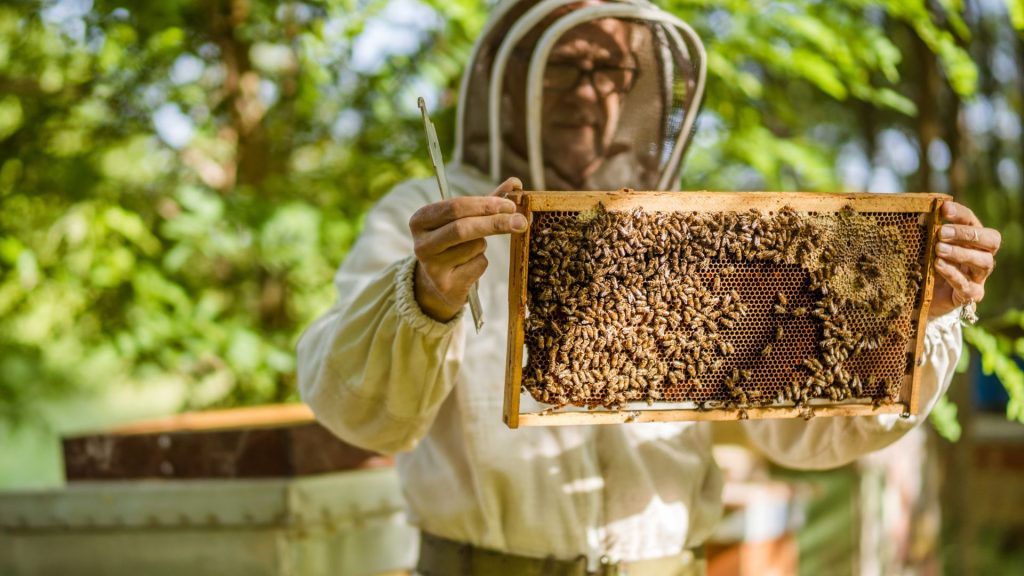
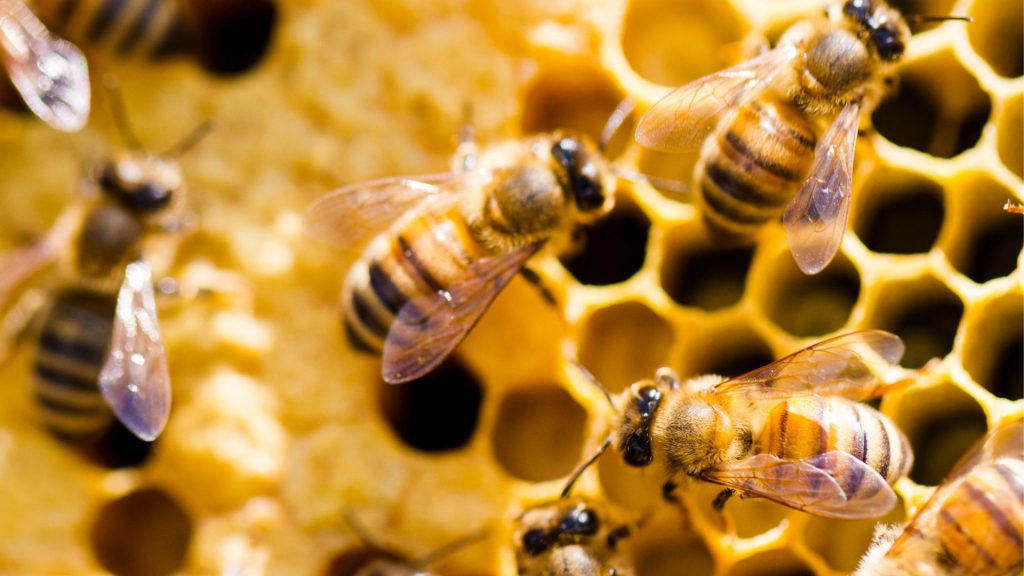
Bees live in colonies, and each colony has three main types of bees: the queen, worker bees, and drones. The queen bee is the reproductive female and lays eggs that develop into worker bees and drones. Worker bees are responsible for gathering nectar, building the hive, and tending to the young bees. Drones are the male bees whose primary job is to mate with the queen. Understanding these roles is crucial for maintaining a healthy and thriving beehive.
A Typical Beekeeping Year:
Beekeeping isn’t just a warm-weather hobby. It involves year-round care and observation. The beekeeping year begins in the spring when the bees start to gather nectar and pollen. Summer is the most active time for the bees, and it’s when they build their honey stores. Fall is the time to prepare the hive for winter by ensuring the bees have enough food to last through the cold months. In winter, the bees will remain inside the hive, but they still need care to survive the cold temperatures.
2. Choosing the Right Beehive for Beginners
Choosing the right type of beehive is one of the most important decisions you’ll make as a beginner beekeeper. There are several types of hives, but the most common for beginners are Langstroth hives, Top-Bar hives, and Warre hives.
Langstroth Hives
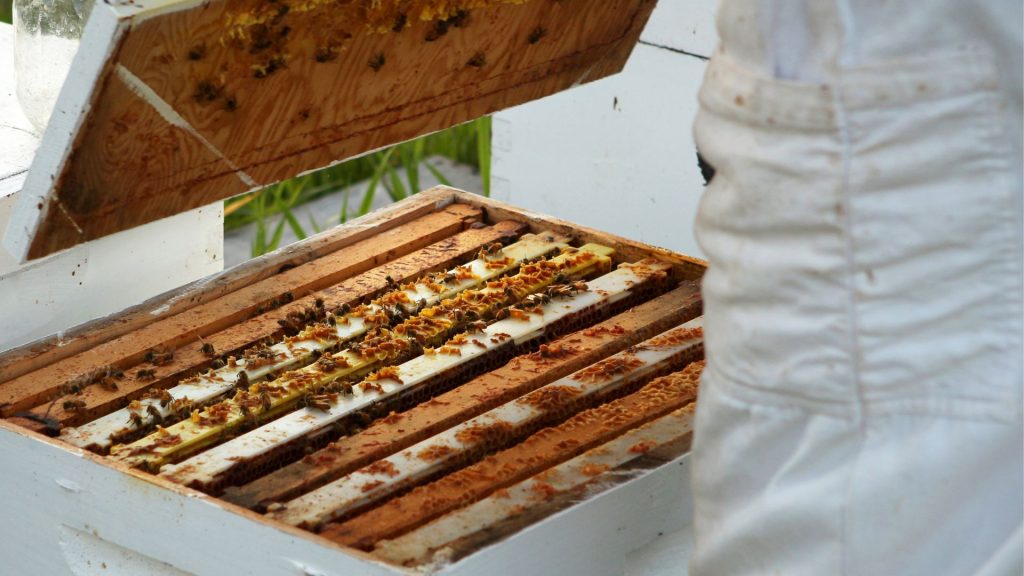
The Langstroth hive is the most popular beehive type worldwide and a great choice for beginners. This type of hive uses removable frames, making it easy to inspect the colony, harvest honey, and manage the bees. The frames allow for easy maintenance, and the modular design means you can expand your hive as the colony grows. Langstroth hives also provide plenty of space for the bees to store honey, which is ideal for honey production.
Top-Bar Hives
Top-bar hives are an alternative to Langstroth hives. These hives are simpler, with horizontal bars that the bees build their comb on. While they’re less work-intensive than Langstroth hives, top-bar hives can be more challenging for beginners because they don’t have removable frames, making it more difficult to inspect the colony.
Warre Hives
Warre hives are similar to Langstroth hives, but they have a vertical design. They are often chosen by beekeepers who want to mimic the natural nesting habits of wild bees. Warre hives can be more difficult to manage for beginners, but they require less maintenance and produce high-quality honey.
For beginners, Langstroth hives are generally the best option due to their simplicity and ease of management.
3. Setting Up Your Beehive
Once you’ve chosen your hive, it’s time to set it up. Here’s what you’ll need:
Essential Equipment for Beekeeping:
- Bee Hive: As mentioned earlier, a Langstroth hive is a popular choice for beginners.
- Bees: You’ll need a colony to start your hive. You can purchase bees in the form of a nucleus colony (nuc) or a package of bees. A nuc comes with a small starter colony, including a queen, worker bees, and brood (eggs and larvae). A package of bees includes bees without brood, which means you’ll need to introduce a queen yourself.
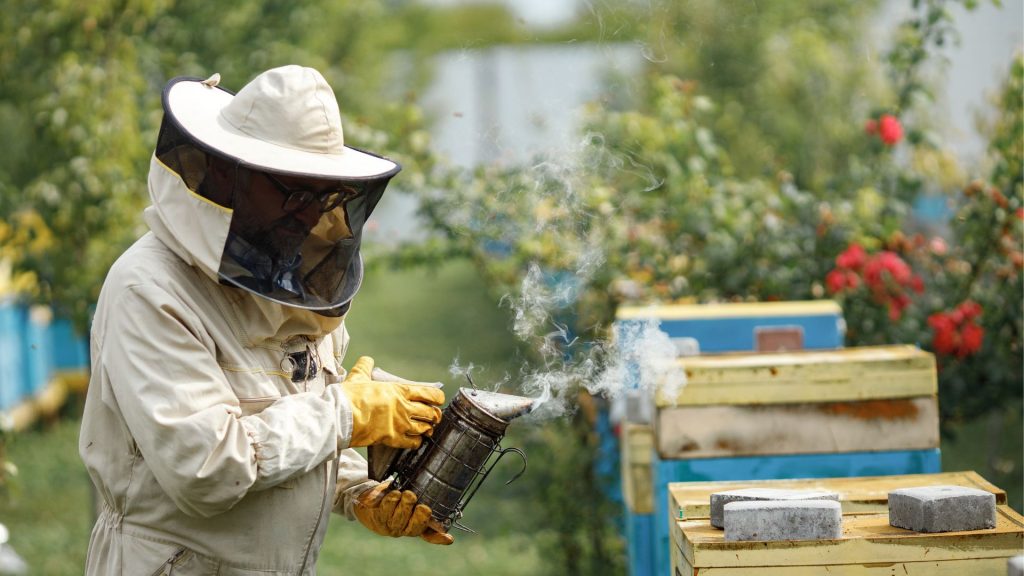
- Bee Suit: Protecting yourself from bee stings is important, especially when you’re learning. A full bee suit with a veil and gloves will protect you from stings.
- Hive Tool: A hive tool is a multi-purpose tool used for prying open hive boxes, scraping off excess wax, and manipulating the frames.
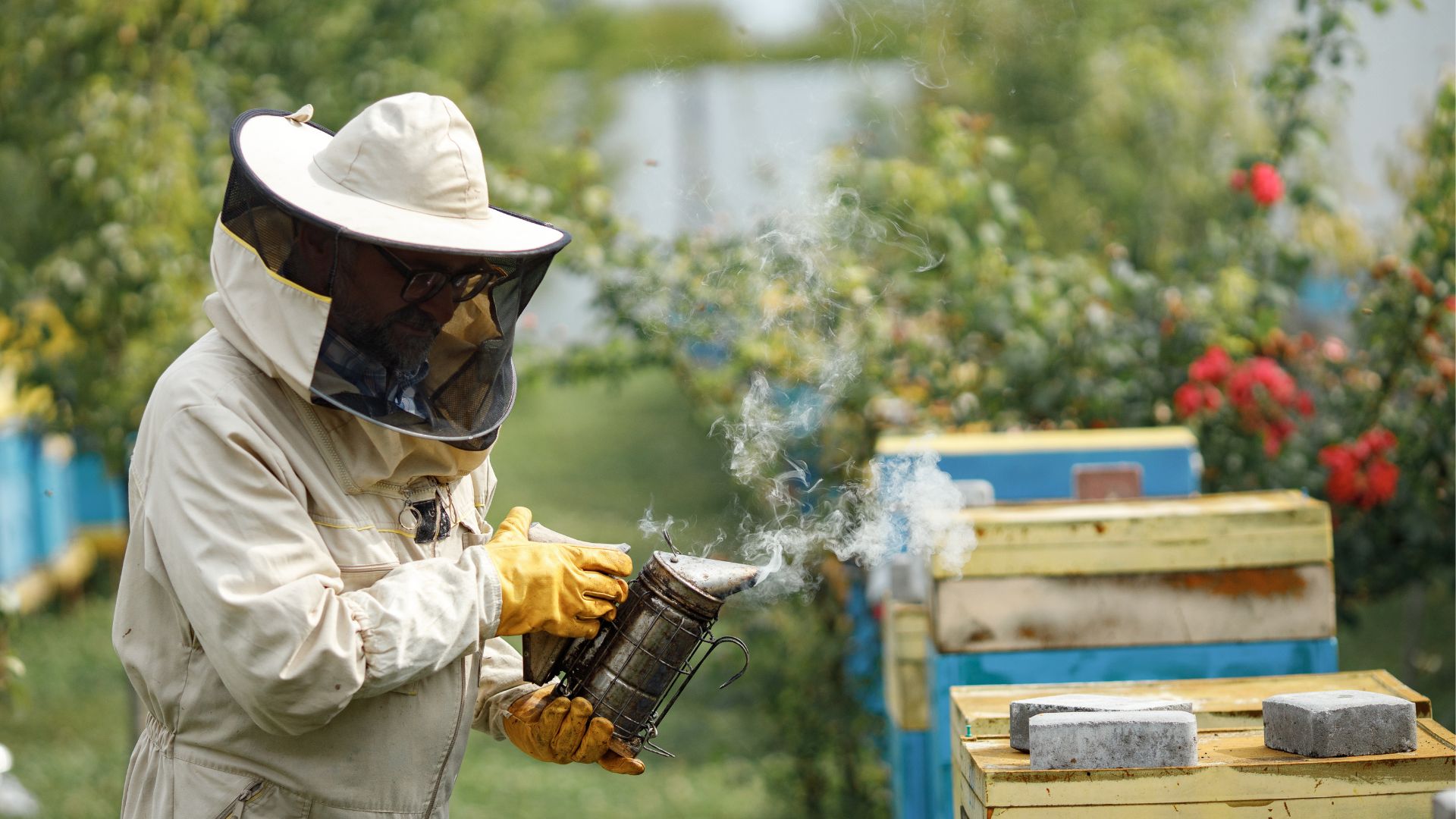
- Smoker: A smoker is used to calm the bees when you inspect the hive. Smoke interferes with the bees’ communication and makes them less likely to become aggressive.
- Beekeeping Books and Resources: It’s always good to have a solid reference on hand. There are plenty of great beginner books, online courses, and beekeeping forums to help you along the way.
4. Installing Your Bees
Installing bees in your hive is a delicate process, but it’s also an exciting step. When your bees arrive, they’ll usually come in a box or package. Here’s how to install them:
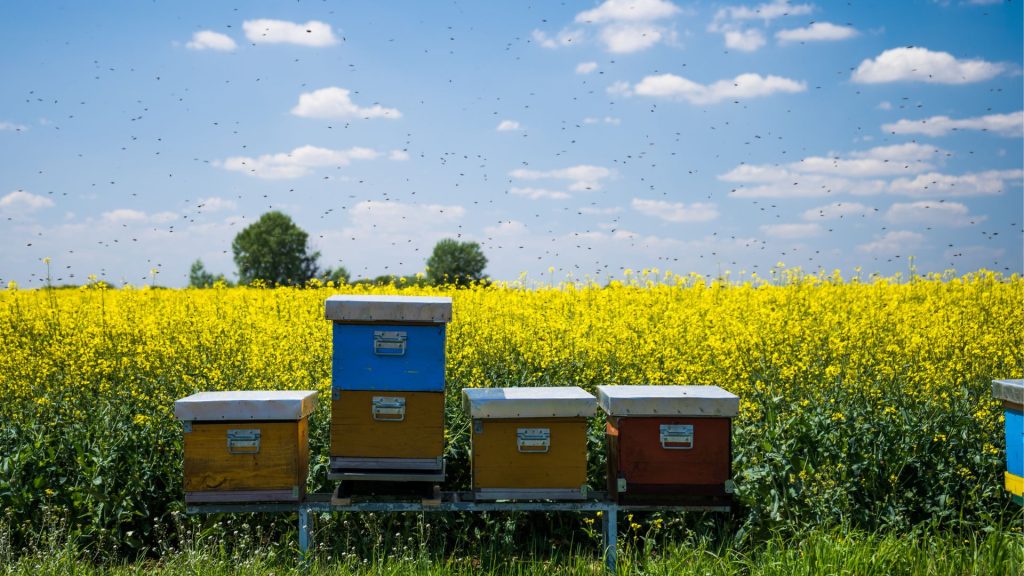
- Prepare the Hive: Ensure the hive is set up and in place before your bees arrive. The hive should be in a sunny, sheltered spot that gets a mix of sun and shade throughout the day.
- Install the Queen: If you’ve received a nucleus colony, the queen will already be inside. If you’re starting with a package of bees, you may need to install the queen into the hive. Gently release the queen and her attendants into the hive.
- Let the Bees Settle: Give your bees a few days to adjust to their new home. Don’t disturb the hive too much during this period.
5. Caring for Your Bees
Once your bees are settled into their new hive, you’ll need to manage and monitor them regularly. Some important aspects of beekeeping include:
Regular Hive Inspections:
Checking your hive every 7-10 days is important to ensure the colony is healthy. During these inspections, look for signs of disease, pests, or other issues. You’ll also want to check that the queen is laying eggs and that there’s enough honey stored for the winter.
Feeding Bees:
Bees may need supplemental feeding during the colder months or when nectar sources are scarce. A sugar syrup (2:1 ratio of sugar to water) is commonly used to feed bees when needed. You can also provide pollen patties if necessary.
Managing Pests and Diseases:
Bees are vulnerable to pests like Varroa mites and wax moths, as well as diseases such as American Foulbrood. Regular hive inspections and maintaining good hygiene can help prevent infestations.

6. Harvesting Honey
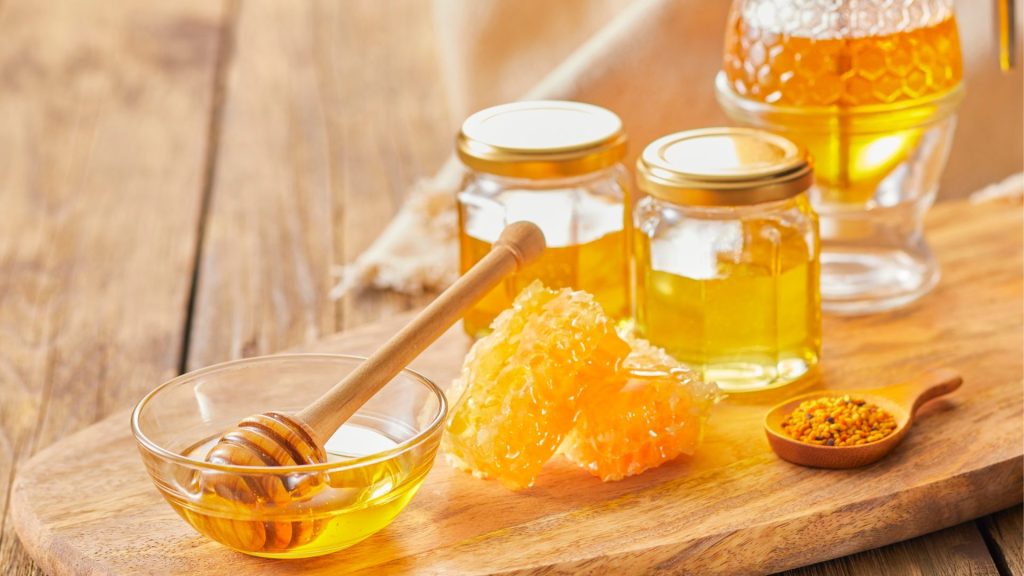
After your bees have settled into their hive and produced a healthy amount of honey, it’s time to harvest! This process involves removing the honey-filled frames from the hive, extracting the honey, and leaving enough honey for the bees to survive the winter.
The honey harvesting process can be a lot of work, but it’s incredibly rewarding when you see that golden liquid flowing from the comb.
Embrace the Sweetness of Beekeeping
Beekeeping is a hobby that offers many rewards, from the joy of watching your bees thrive to the satisfaction of harvesting your own honey. As a beginner, it’s important to learn as much as you can and ask for help when needed. The beekeeping community is full of helpful and passionate individuals who are eager to share their knowledge.
If you’re thinking about starting a beehive, take your time and enjoy the process. You’ll learn more than you ever thought possible, and you’ll help the environment at the same time.
Have you started your own beekeeping adventure yet? What questions do you have about the process? Let us know in the comments below!