

Can You Grow Vegetables Without Soil? Unlock the Power of Hydroponics
When you think of growing vegetables, the image that probably comes to mind is of rich, earthy soil, with plants sprouting up from the ground. But what if I told you that you don’t need soil to grow vegetables? Yes, it’s true—vegetables can thrive without soil, and there’s a gardening method that makes it all possible: hydroponics. So, if you’re wondering, “Can I really grow vegetables without soil?” the answer is a resounding yes!
In this blog post, we’re going to dive into the world of soil-free gardening. We’ll explore how it works, the different methods you can use, and the best vegetables to grow without soil. Plus, we’ll give you all the information you need to start your own soil-free garden, whether you’re growing indoors or in a small space.
What Is Soil-Free Gardening?
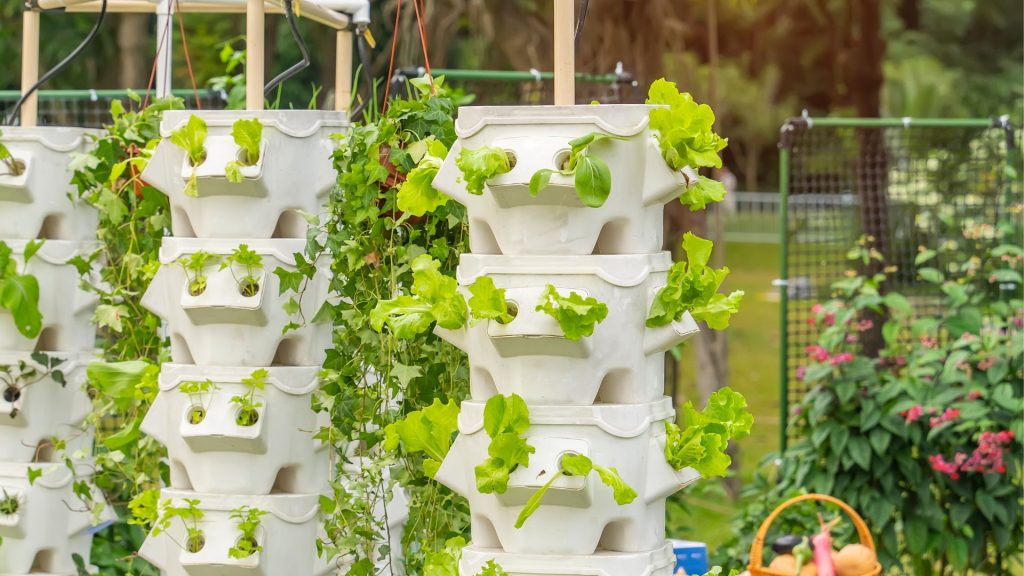
Soil-free gardening, or hydroponic gardening, is a method of growing plants using nutrient-rich water instead of soil. In a hydroponic system, the roots of the plants are submerged in water that contains all the essential nutrients they need to grow, thrive, and produce vegetables. Hydroponics eliminates the need for soil, but it doesn’t eliminate the need for care and attention—plants still need the right conditions, such as light, temperature, and pH levels, to flourish.
Hydroponic gardening can be done indoors or outdoors and is suitable for small spaces, urban environments, or anyone who wants to grow fresh produce without relying on traditional gardening. Plus, hydroponics can offer quicker growth rates and higher yields, making it an appealing option for many gardeners.
How Does Hydroponics Work?
Hydroponics is a fascinating and innovative way to grow plants. In a hydroponic system, plants grow with their roots submerged in water that is enriched with essential nutrients. This water delivers everything the plants need for healthy growth: oxygen, minerals, and water. Without the soil, the plants still get everything they need for photosynthesis and growth through the water solution.
There are several types of hydroponic systems, each offering unique benefits. Here are a few common ones:
1. Deep Water Culture (DWC)
In this system, plant roots are suspended in water and nutrient solution, which is continuously oxygenated by air stones. This method is great for growing leafy vegetables like lettuce, kale, and spinach.
2. Nutrient Film Technique (NFT)
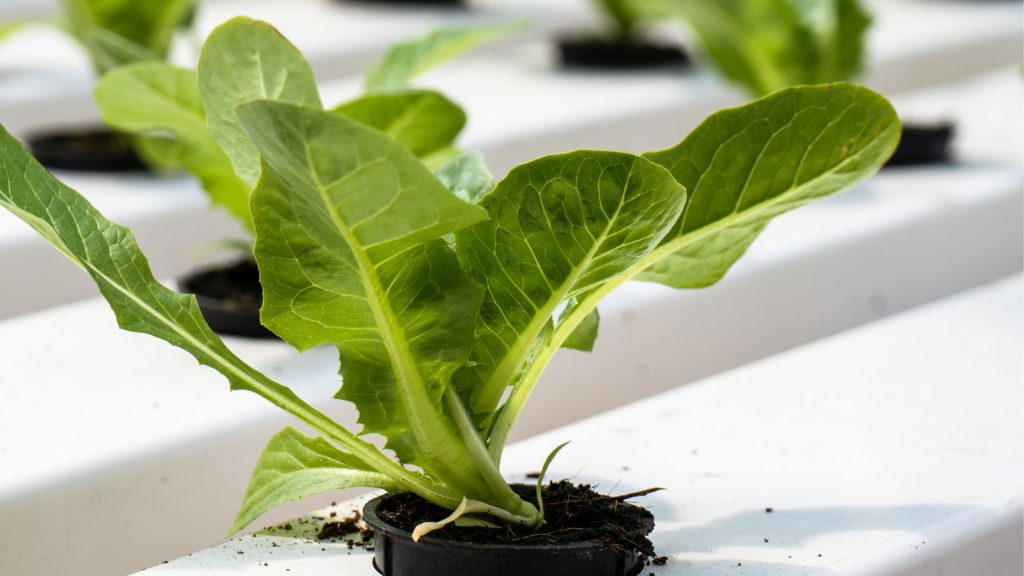
In NFT systems, the plants are placed in a slightly slanted trough, where a thin film of nutrient solution flows over the roots, providing water and nutrients. This method is commonly used for growing herbs and small plants.
3. Wick System
In the wick system, plants are placed in a growing medium like perlite or vermiculite, and a wick draws nutrient solution up to the roots. It’s a simpler, low-maintenance option for small-scale indoor gardens.
4. Aeroponics
In an aeroponic system, plants grow with their roots suspended in the air and misted with a fine nutrient solution. This method uses less water than other systems and is perfect for growing a variety of vegetables, herbs, and even strawberries.
5. Ebb and Flow (Flood and Drain)
In this system, the plant roots are flooded with nutrient solution for a set period, then the solution drains away. The cycle repeats several times a day. This method is ideal for larger plants and even fruiting vegetables like tomatoes and peppers.
What Are the Benefits of Growing Vegetables Without Soil?
There are several reasons why hydroponics might be the right choice for you if you’re looking to grow vegetables without soil. Here are a few key benefits:
- Faster Growth and Higher Yields: Plants can grow faster in hydroponic systems because they have direct access to nutrients and water, which leads to healthier, more vigorous plants. Plus, without soil competition, plants can focus all their energy on growth.
- Less Water Usage: Hydroponic gardening uses less water than traditional gardening because the water is recirculated within the system, meaning less water is wasted. You also don’t have to worry about the soil drying out.
- Space-Saving: Hydroponics is perfect for small spaces, such as apartments, balconies, or urban environments. Vertical gardening and hydroponic systems can allow you to grow more plants in a smaller footprint.
- No Soil-Borne Pests or Diseases: Without soil, you won’t have to worry about common soil-borne pests and diseases like root rot, nematodes, or fungus. This makes hydroponics a cleaner and safer option for growing vegetables.
- Less Weeding: Since there’s no soil, there’s no room for weeds to grow. This means less time spent weeding and more time enjoying your beautiful vegetable plants.
- Control Over Nutrient Levels: With hydroponics, you can precisely control the nutrient levels your plants receive, ensuring they have everything they need to grow to their full potential.
Which Vegetables Can You Grow Without Soil?
Now that you know how hydroponic systems work and what benefits they offer, let’s talk about which vegetables are best suited for growing without soil. Here’s a list of some popular vegetables that thrive in hydroponic systems:

How to Get Started with Hydroponic Gardening
- Lettuce: Lettuce is one of the easiest and most popular vegetables to grow hydroponically. It grows quickly and doesn’t require a lot of space, making it a perfect choice for beginners.
- Spinach: Spinach grows well in hydroponic systems, and you can enjoy fresh, tender leaves all year round. It thrives in cooler temperatures, so it’s a great option for indoor gardens.
- Tomatoes: Tomatoes are another excellent choice for hydroponic gardening. With the right setup, you can grow a variety of tomato plants, from small cherry tomatoes to larger varieties, without soil.
- Cucumbers: Cucumbers love hydroponic systems and are often grown vertically, which saves space. They require a bit more maintenance but can produce a bountiful harvest in the right conditions.
- Herbs: Basil, mint, parsley, cilantro, and other herbs grow very well in hydroponic systems. They don’t take up much space and can be harvested regularly, ensuring a steady supply of fresh herbs.
- Peppers: Both bell peppers and hot peppers can thrive in hydroponic systems. They grow well in warm, well-lit environments and can produce high yields when properly cared for.
- Kale: Kale, like other leafy greens, grows quickly in hydroponic systems. It’s a hardy vegetable that’s perfect for hydroponic gardening, especially in cooler climates.
- Strawberries: Although a bit more challenging, strawberries can be grown hydroponically. These sweet fruits love the controlled environment that hydroponics provides.
Starting your own soil-free vegetable garden is easier than you might think. Here’s a simple plan to get you going:
- Choose Your Hydroponic System: There are many types of hydroponic systems to choose from. For beginners, a simple wick system or a deep water culture (DWC) system can be a great place to start. You can purchase pre-made kits or build your own.
- Pick the Right Location: Choose a spot that receives plenty of bright, indirect light. If you’re growing indoors, you may want to supplement with grow lights to ensure your plants get the light they need.
- Select Your Vegetables: Choose vegetables that are well-suited for hydroponic gardening. Leafy greens like lettuce and spinach are easy to grow, while fruiting vegetables like tomatoes and cucumbers require a bit more care.
- Prepare Your Hydroponic System: Follow the instructions for your chosen system. Be sure to set up a reservoir for the nutrient solution and make sure the system is properly aerated.
- Monitor Your Plants: Once your system is set up, keep an eye on your plants. Check the nutrient levels, water levels, and pH to ensure your plants are getting what they need to grow.
- Harvest and Enjoy: As your plants grow, you’ll be able to harvest fresh vegetables right from your soil-free garden!
Sunny Thoughts
Growing vegetables without soil is a revolutionary way to garden, offering many benefits such as faster growth, less water usage, and space-saving potential. Hydroponics opens up a world of possibilities for gardeners in small spaces, urban areas, or those looking to grow fresh produce indoors. Whether you’re growing leafy greens, tomatoes, or herbs, hydroponic gardening is an exciting and sustainable option.
Have you ever tried growing vegetables hydroponically, or are you considering it for your next gardening project? Let us know in the comments—your experience and thoughts could inspire others to start their own soil-free garden!


