Creating a Chicken Coop on a Budget
When you think about homesteading and self-sufficiency, raising chickens for eggs is one of the most rewarding and practical ways to become more independent. Chickens provide a steady supply of fresh eggs, help with pest control, and even offer meat if you choose to raise them for that purpose. However, one of the biggest hurdles to getting started with chickens is building a chicken coop. The good news is, you don’t have to break the bank to create a safe, comfortable home for your feathered friends.
In this blog post, we’ll walk you through how to build a chicken coop on a small budget, using cost-effective materials and simple steps. Whether you’re new to raising chickens or just want to improve your current setup, this guide will help you create a chicken coop that meets all your needs without stretching your finances.
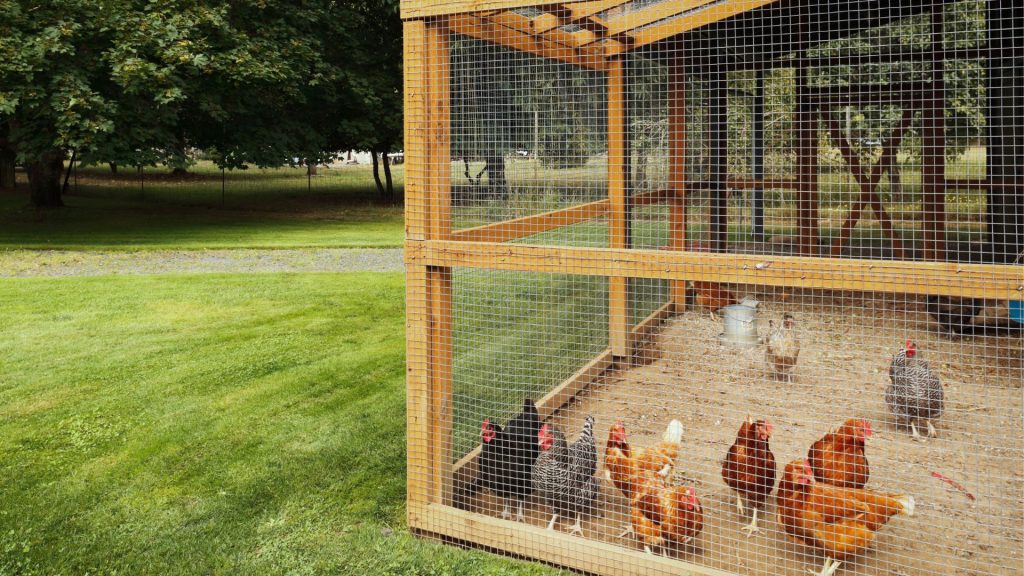
Step 1: Planning Your Chicken Coop
Before you begin purchasing materials or hammering anything together, it’s important to first plan your chicken coop. A solid plan will help you stay organized and ensure you’re getting the most out of your budget.
Consider the following factors when planning your coop:
- Number of Chickens: The size of your chicken coop will depend on how many chickens you plan to house. A general rule of thumb is to allow at least 2-3 square feet of space per chicken inside the coop, plus additional space in an outdoor run.
- Climate: If you live in a colder climate, you may need to add insulation or ensure the coop is draft-free. If you’re in a hot area, proper ventilation and shading will be important to keep your chickens cool.
- Safety: You want your chickens to be safe from predators, including raccoons, foxes, and hawks. Plan for sturdy walls, a strong roof, and a secure door or latch to keep out unwanted guests.
- Ease of Cleaning: Choose materials that will make it easy for you to clean the coop. You’ll want access to nesting boxes and a way to remove waste easily.
Once you have an idea of the size and features you need, you can move on to sourcing your materials.

Step 2: Sourcing Materials on a Budget
Building a chicken coop doesn’t require expensive, brand-new materials. In fact, many homesteaders have successfully created coops using reclaimed and repurposed items. Here are some ideas for where to source budget-friendly materials:
- Recycled Wood: Check with local contractors, construction sites, or friends who may have leftover lumber. Pallets are especially popular for building coops and can often be found for free or at a very low cost. Just be sure the pallets are in good condition and haven’t been treated with harmful chemicals.
- Corrugated Metal: Corrugated metal is a durable, low-cost option for roofing and walls. It provides excellent protection against the elements, and you can often find it at a local salvage yard for a fraction of the cost of new materials.
- Chicken Wire or Hardware Cloth: For the coop’s run and to keep predators at bay, you’ll need sturdy fencing. Chicken wire is often the most affordable, but for extra protection against smaller predators, like weasels, consider using hardware cloth instead. You can sometimes find these materials at hardware stores, or check online marketplaces for deals.
- Reclaimed Windows or Doors: Old windows or doors can be used to create a well-ventilated coop. Check with secondhand stores or online classifieds for affordable options.
- Nails, Screws, and Hinges: You’ll need basic hardware like nails, screws, and hinges to put your chicken coop together. These can be found in bulk at hardware stores or online. Look for sales or check local thrift stores for affordable supplies.
By using recycled and salvaged materials, you’ll save a significant amount of money while still creating a safe and functional chicken coop.
Step 3: Building the Chicken Coop
Now that you have your materials, it’s time to start building! Follow these basic steps to create your chicken coop:
1. Build the Floor Frame
Begin by creating a sturdy frame for the floor of your coop. This frame will provide the foundation for the rest of the structure. Use 2x4s for strength and durability. Measure out the space to accommodate your chickens, adding a few extra feet if you plan to have a small outdoor run.
2. Create the Walls
Next, build the walls of the coop. If you’re using recycled wood, you might need to cut or trim pieces to fit. Use screws or nails to secure the walls to the floor frame, ensuring that everything is level and stable. If you’re using corrugated metal for the exterior, you can attach the panels to the wooden frame.
3. Add Windows and Ventilation
Ventilation is crucial for your chickens’ health, so make sure to include windows or small vents in your design. If you’re using reclaimed windows, you can cut openings and frame them in with wood to ensure a snug fit. You can also use chicken wire or hardware cloth over the windows to keep out predators while allowing air to circulate.
4. Install the Roof
The roof should be sloped to allow rainwater to drain off. Use corrugated metal or plywood for the roof. If you’re using metal, make sure it’s secured properly to avoid leaks. If you’re in a cold climate, you may want to add some insulation underneath the roof to help regulate the temperature inside the coop.
5. Create the Nesting Boxes
Your hens will need a place to lay their eggs, and nesting boxes are essential. A simple option is to build boxes using scrap wood or pallets, creating small compartments that are just large enough for a chicken to comfortably enter and sit in. Place straw or wood shavings inside the boxes to create a cozy environment for the hens to lay eggs.
6. Install the Door
The door to your chicken coop needs to be secure, especially if you’re concerned about predators. Use a solid piece of wood or a reclaimed door for this. If you’re using a wooden door, add a latch to ensure it’s secure, and reinforce the door frame for extra strength.
7. Create a Run (Optional)
If you want your chickens to have access to an outdoor area, create a chicken run. This can be as simple as enclosing a section of your yard with chicken wire or hardware cloth. Make sure the run is tall enough for you to walk into and that it’s secure from predators.

Step 4: Adding the Finishing Touches
Once the basic structure is in place, you can add a few finishing touches to make the coop more comfortable for your chickens and easier for you to manage.
- Roosting Bars: Chickens need a place to roost at night. Install a few wooden bars or branches inside the coop for them to perch on. These should be higher than the nesting boxes to encourage chickens to sleep in the roosting area rather than the boxes.
- Bedding: Add straw, hay, or wood shavings to the floor of the coop and the nesting boxes. This helps keep the area clean, absorb moisture, and provides a soft surface for your chickens to walk on.
- Water and Feed Containers: Place waterers and feeders inside the coop or in the run. These should be elevated off the ground to prevent contamination from droppings.
Step 5: Maintain and Enjoy
Once your chicken coop is built, it’s important to regularly maintain it. Clean out the bedding, check for damage, and ensure that everything remains secure. If you’ve planned it well, your chicken coop should last for many years, providing a safe and comfortable home for your chickens as they help you achieve self-sufficiency on your homestead.
Conclusion: Building a Chicken Coop on a Small Budget
Creating a chicken coop on a budget doesn’t have to be overwhelming or expensive. By using reclaimed materials, doing the work yourself, and focusing on the essentials, you can build a sturdy, functional chicken coop that provides a safe space for your chickens while supporting your homesteading goals.
With your new chicken coop, you’re one step closer to enjoying fresh eggs, reducing your reliance on store-bought food, and living more sustainably. Happy building!