

Don’t Let Bugs Ruin Your Dahlias: Simple Steps to Keep Them Safe
Dahlias are among the most stunning flowers in any garden. With their vibrant colors, elegant shapes, and long blooming period, they are a favorite for garden enthusiasts. But, like any plant, dahlias are not immune to pests. Bugs can quickly damage your precious flowers, leaving them with holes, discoloration, or stunted growth.
If you’ve noticed little critters munching away at your dahlias, don’t worry — you’re not alone, and the good news is, there are many ways to tackle the issue! In this guide, we’ll explore the most common bugs that love to feast on dahlias, how to identify them, and effective methods to get rid of them for good. Let’s dive in!
Common Bugs That Love Dahlias
Before we get into solutions, it’s essential to identify which bugs are attacking your dahlias. Knowing your enemy is the first step in keeping them at bay. Here are some of the most common pests that love to snack on dahlias:
1. Aphids
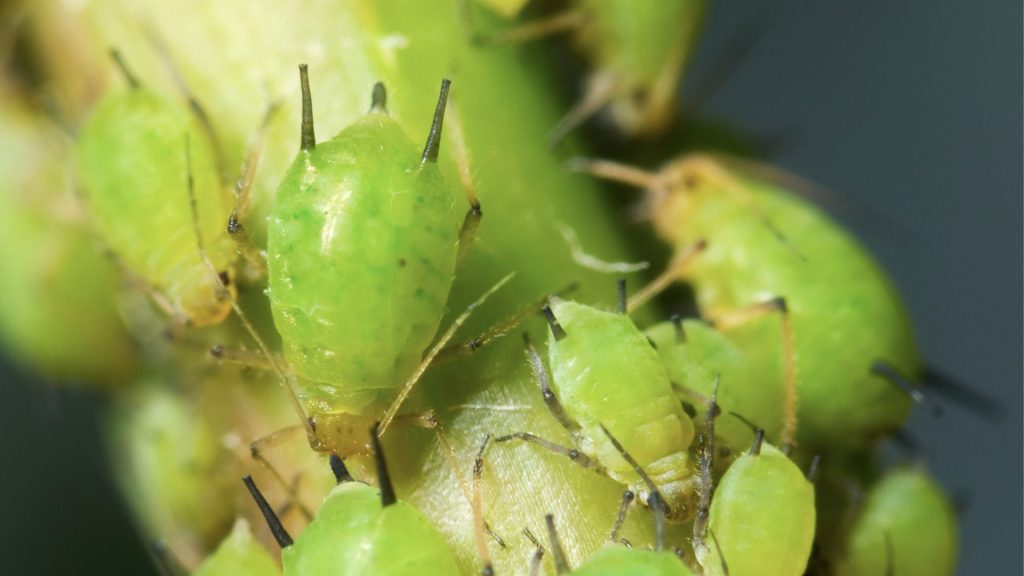
Aphids are tiny, soft-bodied insects that suck the sap from plants, weakening them and causing the leaves to curl and distort. These pests are usually found on the undersides of leaves or near the tips of new growth. They’re also known for secreting a sticky substance called honeydew, which can attract mold.
2. Slugs and Snails
Slugs and snails are notorious for munching on dahlia leaves and stems, often leaving large, ragged holes. These pests are more active at night, and you may not spot them until the damage is done. They thrive in moist conditions, so your dahlias may be at higher risk after watering or during rainy periods.

3. Japanese Beetles
Japanese beetles are shiny, metallic-green beetles with copper-colored wings. These pests can devour the leaves, flowers, and buds of dahlias in a matter of days, leaving behind only the veins of the leaves. They are particularly attracted to dahlias in the summer and can be quite destructive if left unchecked.

4. Thrips
Thrips are tiny, slender insects that can cause serious damage to dahlias. They feed on plant juices, leaving behind silver streaks or spots on the leaves, often causing them to curl. Thrips can also transmit plant viruses, so it’s essential to eliminate them as soon as possible.

5. Spider Mites
Spider mites are not insects, but tiny arachnids that thrive in dry, hot conditions. They feed on plant cells, causing yellowing, stippling, and even webbing between leaves. While they’re difficult to see with the naked eye, their damage is often evident on dahlias in the form of speckled or discolored leaves.

6. Whiteflies
Whiteflies are small, white, moth-like insects that can be found on the undersides of dahlia leaves. Like aphids, they suck sap from the plant and can lead to yellowing and wilting of the leaves. Whiteflies also excrete honeydew, which encourages the growth of mold.

How to Get Rid of Bugs on Dahlias: Effective Solutions
Now that you know which bugs are causing damage to your dahlias, let’s talk about how to eliminate them! There are both chemical and natural ways to deal with these pests, and it’s essential to choose the best method depending on the severity of the infestation and your gardening style.

1. Natural Remedies
If you prefer to avoid chemicals, there are several natural remedies that are effective at controlling pests on dahlias. These solutions are eco-friendly and will keep your plants and surrounding environment safe.
a. Insecticidal Soap
Insecticidal soap is a mild but effective treatment for aphids, thrips, and whiteflies. It works by suffocating the insects, and it’s safe for both plants and beneficial insects like bees. You can buy insecticidal soap or make your own by mixing a few drops of dish soap with water and spraying it directly onto the affected areas of your dahlia plant.
Tip: Be sure to spray both the tops and undersides of the leaves, where pests often hide. Reapply every 3-7 days as necessary.

b. Neem Oil
Neem oil is a natural pesticide that can help control a wide range of pests, including aphids, thrips, and spider mites. It works by disrupting the pest’s ability to feed and reproduce. You can buy neem oil in a ready-to-use spray or dilute it with water to make your own solution.
How to use: Mix 2 tablespoons of neem oil with 1 quart of water, and add a few drops of mild dish soap to help the oil mix. Spray the solution directly on the affected plants, making sure to coat all parts, including the stems and underside of leaves.

c. Diatomaceous Earth
Diatomaceous earth is a natural powder made from the fossilized remains of tiny aquatic organisms. It’s harmless to humans and pets but deadly to soft-bodied insects like slugs and snails. When pests come into contact with diatomaceous earth, it dehydrates them and kills them.
How to use: Sprinkle diatomaceous earth around the base of your dahlia plants, focusing on areas where slugs or snails have been seen. Reapply after rain or watering to maintain its effectiveness.

d. Companion Planting
Certain plants can act as natural pest repellents when planted near dahlias. For example, marigolds help deter aphids and whiteflies, while garlic and chives are known to repel Japanese beetles. Companion planting is an easy and chemical-free way to help protect your dahlias from pests.

2. Chemical Solutions
In some cases, a more direct approach may be necessary to eliminate pests. If natural remedies aren’t cutting it or if your infestation is particularly severe, chemical treatments may be required. However, always use chemicals as a last resort and follow all manufacturer instructions carefully.
a. Systemic Insecticides
Systemic insecticides are absorbed by the plant, making it toxic to pests when they feed on the plant. These insecticides are effective for controlling pests like aphids and Japanese beetles. However, they can also harm beneficial insects, so use them sparingly and only when necessary.
b. Pyrethrin-Based Insecticides
Pyrethrin-based insecticides are derived from chrysanthemum flowers and are effective at killing a wide variety of pests. They are typically safe for plants and can be used to target pests like aphids, whiteflies, and thrips. Make sure to apply these insecticides in the early morning or evening to avoid harming beneficial pollinators like bees.

3. Physical Barriers
Sometimes, a simple physical barrier can help protect your dahlias from pests. Using netting or row covers is an excellent way to prevent insects like Japanese beetles from reaching your plants in the first place.
a. Row Covers
Row covers are lightweight fabrics that can be draped over your plants to keep pests out. They still allow light and water to reach the plants but act as a barrier against insects. You can find row covers at most garden centers, or you can create your own using fine mesh.

b. Handpicking
For larger pests like Japanese beetles, handpicking can be an effective way to control the infestation. Go out early in the morning or in the evening when the beetles are less active, and remove them by hand. You can drop them into a bucket of soapy water to dispose of them.

4. Preventive Measures
Prevention is always the best defense against pests. Here are a few tips to keep your dahlias pest-free:
- Regularly inspect your plants for signs of pests. Catching an infestation early makes it much easier to control.
- Avoid overwatering your dahlias, as moist conditions attract slugs and snails.
- Keep your garden tidy and free of plant debris, as pests often hide in fallen leaves and other organic matter.
- Rotate your crops if you grow dahlias year after year in the same spot. This can help prevent pests from becoming established in the soil.
Protect Your Dahlias and Enjoy Beautiful Blooms
Dahlias are a wonderful addition to any garden, but dealing with pests can be frustrating. By identifying the bugs that are causing trouble and using the right methods to get rid of them, you can protect your dahlias and keep them thriving all season long. Whether you prefer natural remedies or more direct treatments, there’s a solution that will work for you!
What are your go-to methods for keeping pests away from your dahlias? Have you tried any of these tips before? Share your experiences in the comments below — we’d love to hear from you! Plus, if you have any questions, feel free to ask — we’re here to help!


