Essential Ingredients to Stock in Your Homesteading Pantry
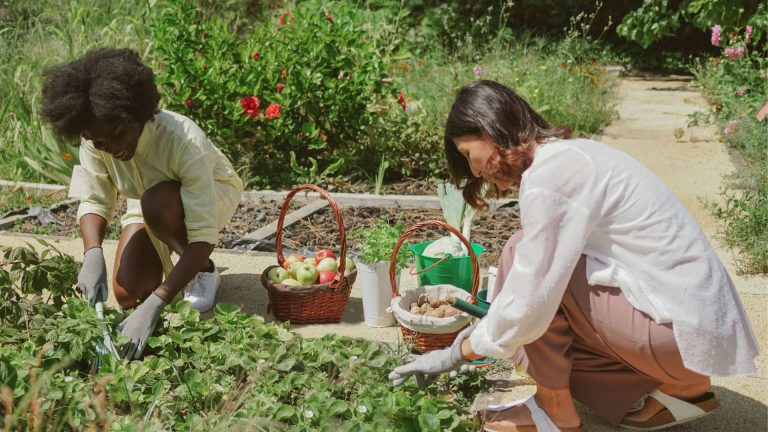
When I first began my homesteading journey, I had grand visions of living off the land, growing my own food, and having everything I needed right outside my back door. It was all very romantic in my mind—picture me strolling through a lush garden, gathering vegetables, collecting eggs from my chickens, and baking bread with flour I had milled myself. In reality, the process was a bit more complicated (and messy), but one of the most important lessons I learned was the significance of having a well-stocked pantry.
When I first started out, I didn’t quite realize just how essential a good pantry stockpile was to successful homesteading. Sure, I had my garden bursting with veggies, and I was raising chickens for eggs. But there were plenty of moments when I found myself running to the store, wishing I had thought ahead and stocked up on a few key ingredients. That’s when I realized: A homesteader’s pantry is just as important as the garden. It’s the foundation of self-sufficiency and one of the best ways to prepare for whatever the season—or life—throws your way.
So, if you’re new to homesteading or just thinking about building your pantry, I’m here to share what I’ve learned. The ingredients that I’ve come to rely on over the years have helped me stay nourished, minimize trips to the store, and truly embrace the spirit of self-reliance. Let’s take a look at what you should stock in your pantry for a well-rounded, homesteading-friendly food supply.

1. Whole Grains: The Heart of Any Pantry
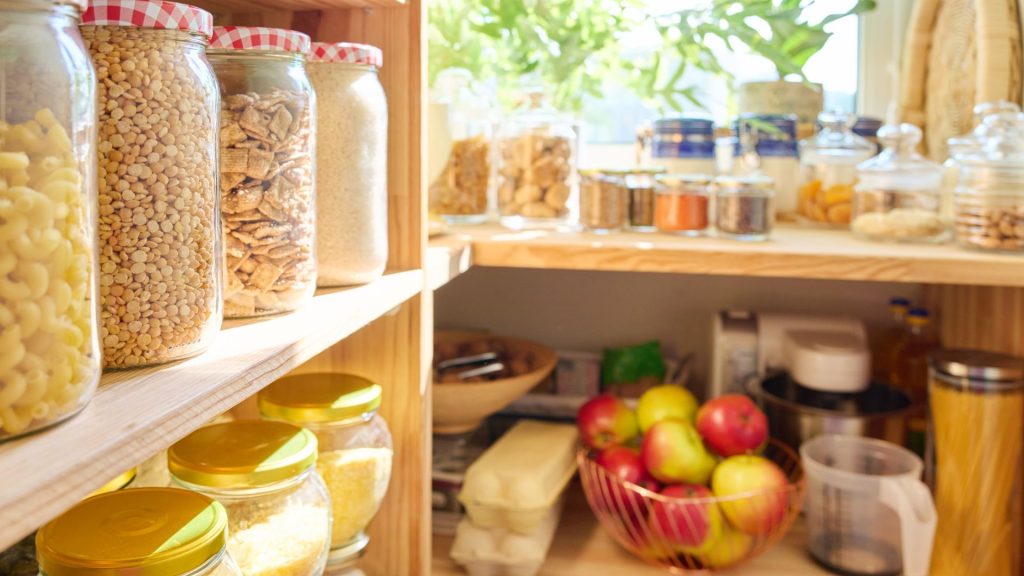
When I first started, I underestimated the importance of whole grains in a homesteading pantry. I thought a couple of bags of rice and pasta would suffice. But as I spent more time learning about food preservation and nutrition, I quickly realized how essential grains are. Whole grains, such as wheat, oats, quinoa, and barley, are incredibly versatile and nutritious, and they form the backbone of many meals in my house.
I always keep a variety of grains on hand, such as:
- Rice – This is a pantry staple in many homesteads. Whether white, brown, or even specialty varieties like wild rice, rice can be used in soups, stir-fries, casseroles, and side dishes.
- Rolled Oats – Not just for oatmeal, oats can be used for baking, granola, or even as a thickener in soups.
- Quinoa – A complete protein, quinoa has become a regular part of my meals, often used in salads, stir-fries, and even as a substitute for rice.
- Wheat Berries – If you want to get a little more ambitious, whole wheat berries can be milled into flour for baking. I haven’t yet made the leap to milling my own flour, but I like knowing that the option is there.
2. Beans and Legumes: A Protein Powerhouse
Early in my homesteading days, I relied a lot on eggs and meat for my protein needs, but beans and legumes quickly became a favorite alternative. They’re inexpensive, incredibly filling, and versatile. Plus, they’re packed with nutrients.
Here’s what I keep in my pantry:
- Black Beans – These are my go-to for chili, soups, and salads. I often buy them in bulk and cook them in large batches, freezing them for later use.
- Chickpeas – I use chickpeas in hummus, stews, and even roasted as a snack.
- Lentils – Perfect for soups, lentils cook quickly and are a great source of protein. Plus, they don’t require soaking like some beans do.
- Pinto Beans – Another favorite for chili or refried beans, these are great to have on hand if I’m looking for comfort food.

3. Canned Goods: A Homesteader’s Insurance Policy
When I first started homesteading, I was all about fresh, homegrown produce, and I turned my nose up at anything in a can. Over time, however, I learned that having a few key canned goods on hand is essential for maintaining a well-stocked pantry. They’re great for those times when the garden is out of season or when I’m just too tired to cook from scratch.
Here’s what I always keep in my pantry:
- Tomatoes – Canned tomatoes are incredibly versatile. I use them for pasta sauces, soups, stews, and even in chili.
- Canned Beans – While dried beans are great for long-term storage, canned beans are a lifesaver on busy days when I don’t have time to soak and cook beans.
- Canned Tuna and Salmon – These provide a quick and easy source of protein when I don’t have fresh fish on hand or when the eggs from my chickens are still a little sparse.
- Vegetables – Sometimes, you just can’t grow everything you need in your garden. Canned veggies like corn, peas, and green beans are great to have in the pantry as a backup.

4. Herbs and Spices: Elevating Simple Meals
When I started homesteading, I didn’t give much thought to my spice cabinet. But after experimenting with flavors from all over the world, I quickly realized that spices are an essential part of any well-rounded pantry. Fresh herbs from the garden are wonderful when they’re in season, but dried herbs and spices are invaluable for year-round cooking.
Here are the spices I keep stocked:
- Garlic Powder and Onion Powder – These are staples in just about everything I cook. They add so much flavor to beans, meats, vegetables, and sauces.
- Salt – I use sea salt for most of my cooking. It’s simple, but it’s necessary for so many dishes.
- Black Pepper – I always have a good supply of fresh ground black pepper. It adds a little kick to just about anything.
- Dried Oregano, Basil, and Thyme – These herbs are perfect for Italian-inspired dishes, soups, and stews. They’re my go-to for making simple meals taste amazing.
- Cinnamon and Nutmeg – I keep these spices for baking, but they’re also great in savory dishes like stews and soups.
5. Sweeteners: For Baked Goods and More
Sweeteners are another key element in any homesteader’s pantry. While I try to limit refined sugar in my house, I do keep some on hand for baking, canning, and making homemade jam. I also prefer to use more natural sweeteners when I can.
Here’s what I use:
- Honey – My bees have yet to arrive (it’s a future project), but I do keep honey stocked. It’s great for sweetening tea, drizzling over homemade bread, or adding to baked goods.
- Maple Syrup – A natural sweetener I love to use in oatmeal, on pancakes, or in baking recipes.
- Brown Sugar – I keep a small bag for certain recipes, like cookies or caramelized vegetables.
6. Flour and Baking Supplies: From Scratch Cooking
There’s nothing quite like the smell of homemade bread baking in the oven. Over the years, I’ve really embraced baking as part of my homesteading routine. For that, I keep a variety of flours and baking supplies on hand:
- All-Purpose Flour – It’s the basic go-to for bread, cakes, and cookies.
- Whole Wheat Flour – I use this in combination with all-purpose flour for a heartier texture and more nutrition in my baked goods.
- Baking Powder and Baking Soda – Essential for many baked goods like muffins, pancakes, and cookies.
- Yeast – I keep both active dry yeast and instant yeast in my pantry for making bread, pizza dough, and rolls.
7. Healthy Fats: For Cooking and Baking
Healthy fats are essential for a balanced homesteading pantry. I’ve found that having a variety of oils and fats allows me to cook everything from frying eggs to making salad dressings.
I stock up on:
- Olive Oil – Great for sautéing, roasting, and drizzling over salads.
- Coconut Oil – I use coconut oil for baking, frying, and in some savory dishes.
- Butter – Of course, nothing beats good old butter for flavor in baking and cooking.
In Conclusion: A Pantry Stockpile for the Homestead
Building a pantry for homesteading isn’t about filling it with processed foods or random convenience items. Instead, it’s about having the essentials on hand to support your lifestyle of self-sufficiency, creativity, and nourishment. My pantry has grown over the years, and now I feel prepared to handle whatever the seasons throw my way.
It’s about balance—having a mixture of grains, beans, canned goods, spices, and baking supplies. And every item serves a purpose, whether it’s for a hearty stew in winter, a fresh loaf of bread, or a quick meal when the garden’s harvest isn’t quite ready yet.
If you’re just starting out, take your time to build your pantry. Start with the essentials and slowly expand as you go. The beauty of homesteading is that it’s a journey—one that allows you to grow, learn, and become more self-reliant, one pantry stockpile at a time.