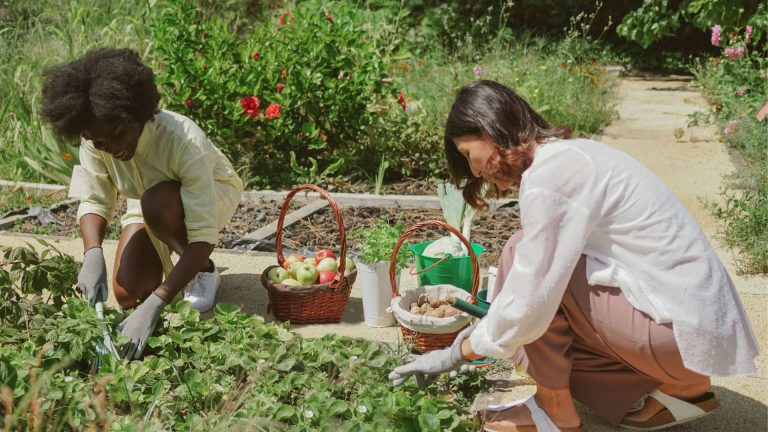
The Best Vegetables to Grow for Self-Sufficiency: A Beginner’s Guide
Growing Your Own Food for Self-Sufficiency
Starting a vegetable garden is one of the most rewarding aspects of homesteading. Not only do you get to enjoy fresh, homegrown produce, but you also gain a sense of accomplishment and a deeper connection to nature. If you’re just beginning your homesteading journey, you might be wondering which vegetables are best for self-sufficiency.
In this guide, we’ll walk through the best vegetables to grow for self-sufficiency. These vegetables are hardy, easy to grow, and yield a lot of food for your effort, making them perfect for backyard vegetable gardening. Whether you’re working with a small space or have a large plot to work with, these vegetables will give you a great foundation for self-sufficient living.
1. Leafy Greens: The Foundation of Your Garden

Why Grow Leafy Greens?
Leafy greens are some of the easiest vegetables to grow, and they are packed with nutrients. For beginners, they are perfect because they don’t require much space and can be grown in containers or raised beds. Additionally, leafy greens like spinach, kale, and lettuce offer continuous harvests, meaning you can pick leaves as needed and still allow the plant to grow more.
Best Greens for Self-Sufficiency:
- Spinach: This fast-growing green thrives in cool weather and can be harvested multiple times. It’s a great addition to salads or soups and can even be frozen for later use.
- Kale: A hardy green that can tolerate frost, kale is perfect for year-round harvesting. It’s versatile, providing nutrients for smoothies, soups, and salads.
- Lettuce: While it doesn’t store long, lettuce is incredibly easy to grow and offers early-season crops. Try growing different varieties for salads throughout the spring and summer.
Growing Tips:
Plant these greens in well-drained soil, keep them watered regularly, and give them some shade during the hottest parts of the day. You’ll quickly see why leafy greens are essential for your homestead’s self-sufficiency!
2. Root Crops: A Reliable Food Source
Why Grow Root Crops?
Root vegetables are the backbone of self-sufficient vegetable gardening. They store well for the winter, providing food throughout the year. Additionally, they can be grown in a variety of soil types and climates, making them versatile options for any homestead.
Best Root Crops for Self-Sufficiency:
- Carrots: Carrots are easy to grow and can be harvested at different stages, from small, tender carrots to larger, storage-quality ones. They store well in root cellars or through canning.
- Potatoes: A staple for any homesteader, potatoes are incredibly productive and come in many varieties. They thrive in most climates and can be stored for long periods in a cool, dry place.
- Beets: Beets grow quickly and can be eaten fresh or preserved for later use. The leaves are edible too, so you’re getting two crops in one!
Growing Tips:
Root crops prefer loose, well-drained soil. Make sure the soil is deeply worked to allow roots to grow freely. Regular watering is crucial, especially during dry spells, to ensure a healthy crop.
3. Tomatoes: A Versatile Homesteading Staple
Why Grow Tomatoes?
Tomatoes are one of the most popular vegetables to grow in any homestead garden. Well, technically they are fruits because they contain seeds and grow from the flower of the plant. Tomatoes are incredibly versatile – great for fresh eating, making sauces, canning, and even drying. With numerous varieties available, you’ll always have options for different tastes and growing conditions.

Best Tomato Varieties for Self-Sufficiency:
- Roma Tomatoes: Perfect for making sauces, pastes, and canning. They have a meaty texture and fewer seeds, making them ideal for preserving.
- Cherry Tomatoes: These bite-sized fruits are great for snacking and can be dried or canned for later use.
- Beefsteak Tomatoes: Larger, juicy tomatoes ideal for sandwiches or slicing for fresh salads.
Growing Tips:
Tomatoes thrive in warm weather and full sun, so choose a sunny spot in your garden. Keep the soil consistently moist and mulch around the plants to retain moisture and prevent weeds. Consider staking or caging your tomato plants to help them grow tall and strong.
4. Beans and Peas: Protein Powerhouses
Why Grow Beans and Peas?
Legumes like beans and peas are excellent additions to any homesteading garden because they not only provide valuable protein but also improve the soil. Beans and peas are nitrogen fixers, meaning they enrich the soil, which benefits other crops as well.

Best Varieties for Self-Sufficiency:
- Bush Beans: These beans are easy to grow and don’t require much space. They are perfect for smaller homesteads or backyard vegetable gardening.
- Pole Beans: These beans grow vertically and produce more beans per plant. If you have a trellis or a vertical garden system, pole beans are a great option.
- Peas: Peas grow quickly in cooler temperatures and provide early-season crops. They can be eaten fresh or dried for later use.
Growing Tips:
Beans and peas prefer well-drained, slightly acidic soil. They can be direct-seeded into the ground and usually require minimal care beyond watering. Ensure they have adequate support if growing pole varieties, and harvest them before the weather gets too hot.
5. Squash and Pumpkins: Abundant Harvests for the Winter
Why Grow Squash and Pumpkins?
Squash and pumpkins are excellent vegetables for self-sufficiency because they produce large yields and store well throughout the winter months. These vegetables are rich in nutrients and can be used in soups, pies, stews, and roasted dishes.

Best Varieties for Self-Sufficiency:
- Butternut Squash: This squash has a long shelf life and a sweet, nutty flavor. It’s a favorite for roasting, soups, and casseroles.
- Acorn Squash: Smaller but equally nutritious, acorn squash is perfect for smaller households and can be roasted or stuffed.
- Sugar Pie Pumpkins: These small pumpkins are perfect for baking and making pumpkin puree for pies.
Growing Tips:
Squash and pumpkins need plenty of space to spread out, so be sure to plant them with room to grow. They also love full sun and need well-drained soil. Water them regularly, especially during dry spells, and mulch around the base to retain moisture.
6. Herbs: Flavor and Function
Why Grow Herbs?
Herbs are the finishing touch to any homesteading vegetable garden. While not necessarily a primary food source, they can improve the flavor of your meals and even offer medicinal benefits. Additionally, herbs are easy to grow in containers, raised beds, or garden plots.

Best Herbs for Self-Sufficiency:
- Basil: Great for adding flavor to sauces, pesto, and salads.
- Thyme: Hardy and versatile, thyme can be used in a wide variety of dishes.
- Mint: Mint is easy to grow and can be used for teas, garnishes, and homemade remedies.
Growing Tips:
Most herbs thrive in well-drained soil and full sun. Herbs like basil and mint can be grown in containers if you’re short on space. Regular harvesting will encourage more growth, so don’t be afraid to trim your plants as needed.
Start Your Self-Sufficient Vegetable Garden Today
Homesteading is all about creating a self-sufficient lifestyle, and growing your own vegetables is a fantastic way to take control of your food supply. Whether you’re just getting started or you’re looking to expand your garden, these vegetables are perfect for beginners and seasoned gardeners alike. Leafy greens, root crops, tomatoes, beans, squash, and herbs are just the beginning of what you can grow for self-sufficiency.
So, roll up your sleeves, start planning your garden, and enjoy the journey of growing your own food!