Beginner’s Guide to Gardening: Starting Your First Garden
Starting your first garden is an exciting and rewarding experience, but it can also feel a bit overwhelming. There’s a lot to consider, from choosing the right plants to figuring out how much water and sunlight they need. But don’t worry! Gardening is a skill that improves with time and practice. Whether you have a small backyard, a balcony, or just a patch of land, starting a beginner garden can be a fulfilling hobby that brings beauty and fresh produce to your space.
In this guide, we’ll walk you through the basic steps of starting your first garden. We’ll focus on easy-to-grow plants, essential tools, and simple gardening techniques that will make your journey as enjoyable as possible.
1. Choosing the Right Location for Your Garden
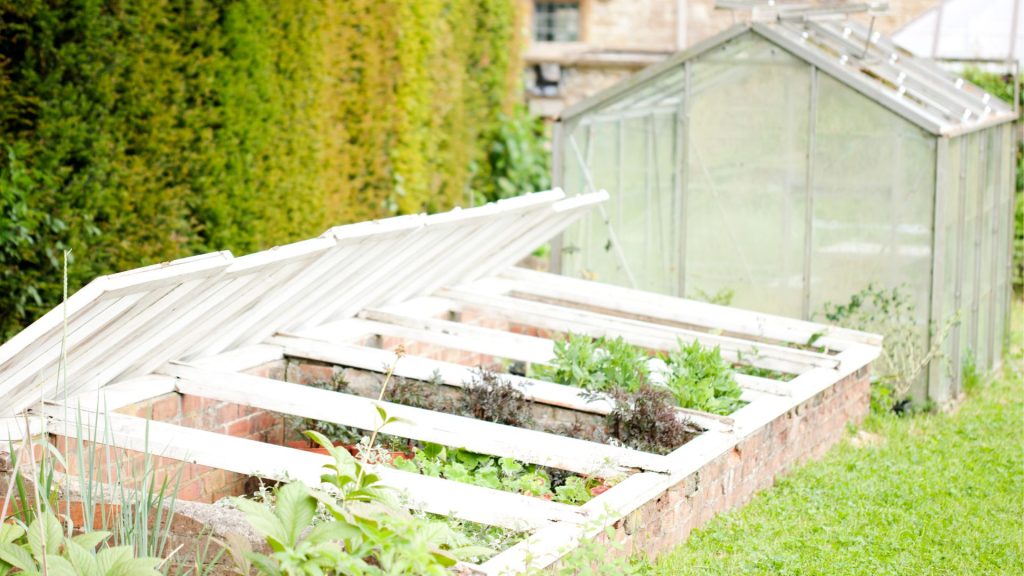
The first step in starting a beginner garden is selecting the right location. Your garden’s success will depend on how much sunlight it receives, the quality of the soil, and its proximity to water sources. Here are a few things to keep in mind when choosing a garden location:
Sunlight Requirements
Most plants need sunlight to grow, but some plants thrive in full sun, while others prefer partial or full shade. For your garden to flourish, it’s essential to understand how much sun your chosen location gets throughout the day. A good rule of thumb is:
- Full Sun: At least 6 hours of direct sunlight per day (great for vegetables, herbs, and flowering plants).
- Partial Shade: 3 to 4 hours of sunlight per day (ideal for plants like hostas or certain herbs).
- Full Shade: Less than 3 hours of sunlight (perfect for ferns and moss).
Soil Quality
Healthy soil is the foundation of a successful garden. Take a moment to check the soil in your garden area. It should be loose, well-draining, and rich in nutrients. If your soil is heavy clay or very sandy, you may need to amend it with compost or organic matter to improve its texture.
Water Access
Having easy access to water is crucial for your plants’ survival. Consider the location of your garden in relation to a water source. You’ll need to water your plants regularly, especially when they’re young, so make sure you can do so conveniently without overexerting yourself.

2. Selecting Plants for Your Beginner Garden
Once you’ve found the perfect spot for your garden, the next step is choosing the plants. As a beginner gardener, it’s best to start with low-maintenance plants that are easy to care for and less likely to get pests or diseases. Here are some plant suggestions that thrive in beginner gardens:
Vegetables and Herbs
If you want to grow your own food, start with vegetables and herbs that are easy to grow and require minimal care. Some good options for beginner gardens include:
- Tomatoes: A favorite for gardeners, tomatoes are relatively simple to grow. They love the sun and produce abundant fruit.
- Lettuce: This leafy vegetable grows quickly and is perfect for a beginner garden. It’s also great for containers!
- Basil: A versatile herb that’s easy to grow in pots or garden beds. It adds flavor to dishes and thrives in sunny spots.
Flowers for Beauty and Pollinators
Flowers add color and beauty to any garden, and many also attract pollinators like bees and butterflies. Some low-maintenance flowers to consider are:
- Marigolds: Known for their vibrant orange and yellow blooms, marigolds are hardy and easy to grow.
- Sunflowers: Sunflowers grow tall and are very easy to care for. They’ll make a stunning addition to any garden.
- Lavender: Not only does lavender smell amazing, but it’s also low-maintenance and attracts pollinators.
Low-Maintenance Perennials
If you want a garden that will return year after year without a lot of replanting, consider perennials. These plants bloom and thrive season after season. Some easy-care perennials include:
- Daylilies: These hardy flowers come in many colors and require little attention once planted.
- Hostas: Perfect for shady areas, hostas offer beautiful foliage and are low-maintenance.
- Coneflowers: These attractive flowers bloom in summer and attract pollinators, while requiring minimal care.

3. Essential Tools for Beginner Gardeners
Having the right tools makes gardening much easier, especially for beginners. While there are many specialized gardening tools available, you don’t need to invest in a huge collection to get started. Here are the essential tools every beginner gardener should have:
Trowel
A trowel is a small hand tool with a pointed, scoop-shaped blade. It’s perfect for digging small holes, transplanting plants, and aerating soil. A trowel is a must-have for any beginner garden.
Garden Gloves
Gardening gloves protect your hands from dirt, scratches, and any thorny plants. They also help prevent blisters if you’re doing a lot of digging or weeding. Choose a pair that’s comfortable and durable.
Watering Can or Hose
Watering your plants is one of the most important tasks in gardening. If you have a small garden, a watering can will suffice, but if you have a larger space, a hose with an adjustable nozzle will be more efficient. Be sure to water your plants deeply and consistently.
Pruners
Pruners, or garden shears, are essential for trimming plants, cutting back dead growth, and harvesting herbs. They’ll help you keep your garden neat and healthy.

4. Planting and Care Tips for Your Beginner Garden
Once you’ve selected your plants and gathered your tools, it’s time to start planting! Follow these simple steps to ensure your plants grow strong and healthy:
Planting Depth
Different plants require different planting depths, so always read the instructions on the seed packet or plant tag. As a general rule, plant seeds at a depth of about twice their size. For transplants, dig a hole large enough to accommodate the roots and gently place the plant in the hole.
Watering Wisely
Water your plants early in the morning or late in the afternoon to prevent evaporation. When watering, aim for the base of the plant rather than watering the leaves. This helps avoid fungal diseases.
Mulching
Mulch helps retain moisture, suppress weeds, and regulate soil temperature. Apply a 2-3 inch layer of organic mulch, like shredded leaves or bark, around your plants to keep them healthy and hydrated.
5. Maintaining Your Garden
Gardening isn’t a “set it and forget it” activity. Regular maintenance is key to ensuring your garden continues to thrive. Here are some simple maintenance tasks you’ll need to keep up with:
Weeding
Weeding is an ongoing task. Weeds compete with your plants for water and nutrients, so it’s important to remove them regularly. Try to pull weeds when they’re young to prevent them from taking over.
Pruning and Deadheading
Pruning and deadheading (removing dead flowers) helps promote new growth and keeps your garden looking tidy. Some plants, like roses, may require more frequent pruning, while others, like coneflowers, just need occasional deadheading.
Fertilizing
Fertilizer helps replenish the nutrients in the soil. You don’t need to fertilize every plant in your garden, but some plants, like tomatoes or peppers, will benefit from a little extra nutrition. Look for organic fertilizers that are gentle on the environment.

6. Enjoying the Fruits of Your Labor
After a few weeks or months of care, you’ll start to see the results of your hard work. Whether you’re growing vegetables, herbs, or flowers, there’s nothing more satisfying than seeing your plants thrive. Take time to enjoy your garden, whether you’re harvesting fresh produce or simply relaxing in the beauty of your space. Gardening is a long-term investment, and with patience and dedication, your garden will continue to grow and improve.
Starting your first garden is a wonderful experience, and with the right tools, plants, and knowledge, it can be easier than you think. By choosing low-maintenance plants, taking care of your soil, and keeping up with regular tasks like watering and weeding, you’ll be well on your way to creating a thriving garden. Don’t be afraid to experiment and learn as you go—it’s all part of the fun!