Purple Perfection: 10 Must-Have Flowers for Your Garden
Purple is a color that evokes feelings of tranquility, elegance, and beauty. It’s no wonder that many gardeners choose purple flowers to add a touch of vibrancy and sophistication to their outdoor spaces. Whether you’re looking for bold, dramatic blooms or soft, pastel shades, purple flowers come in a variety of shapes, sizes, and hues that can complement any garden. In this post, we’ll explore some of the most beautiful purple flowers that can elevate your garden, along with their specific growing needs, so you can get the best blooms possible.
1. Lavender (Lavandula spp.)
Varieties: English Lavender (Lavandula angustifolia), French Lavender (Lavandula dentata), Spanish Lavender (Lavandula stoechas)
Sun, Soil, and Watering Needs: Lavender loves full sun and well-drained, slightly alkaline soil. It thrives in dry, sandy or loamy soil, so avoid heavy, wet soil. Water moderately, ensuring the soil dries out between waterings to prevent root rot.
Size: Lavender grows from 12 inches to 3 feet tall, depending on the variety. Some varieties, like English Lavender, stay compact, while others, like French Lavender, can spread and grow more bushy.
Growing Zones: Lavender grows best in zones 5-9, though some varieties, like Spanish Lavender, can handle warmer climates.
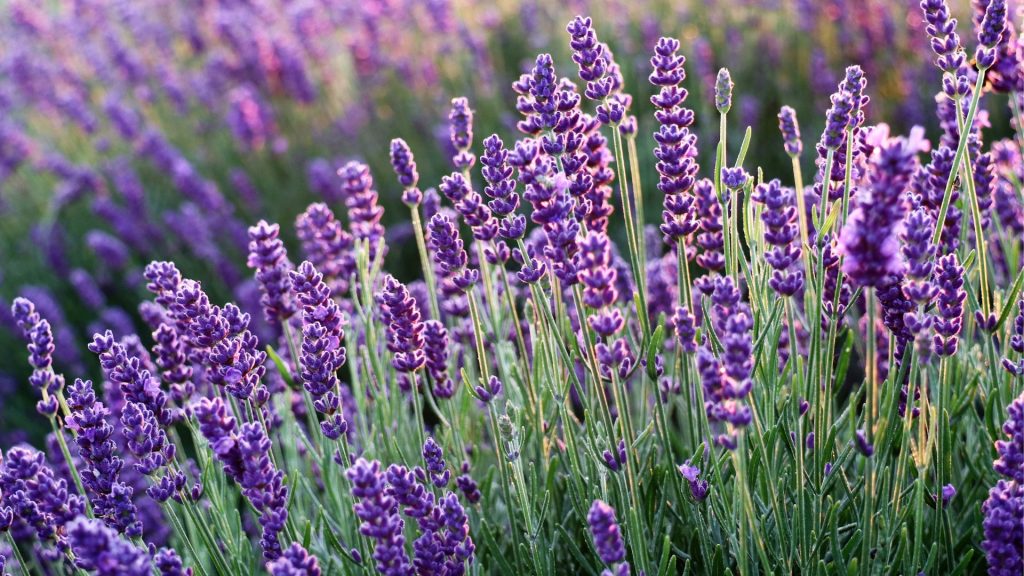
Why It’s Beautiful: Lavender’s sweet-scented, delicate purple flowers create a relaxing and fragrant environment. It’s ideal for herb gardens, borders, or as a ground cover.
2. Purple Coneflower (Echinacea purpurea)
Varieties: ‘Magnus,’ ‘Pink Double Delight,’ ‘PowWow Wild Berry’
Sun, Soil, and Watering Needs: Purple coneflowers prefer full sun but can tolerate some light shade. They thrive in well-drained soil, though they’re not picky about soil type. Once established, these hardy flowers are drought-tolerant and only need watering in dry spells.
Size: These perennial flowers grow between 2 to 4 feet tall, with a spread of 1 to 2 feet.
Growing Zones: Zones 3-9
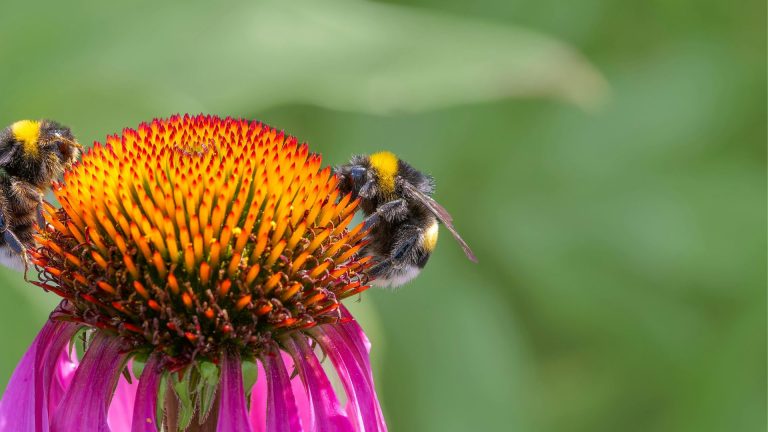
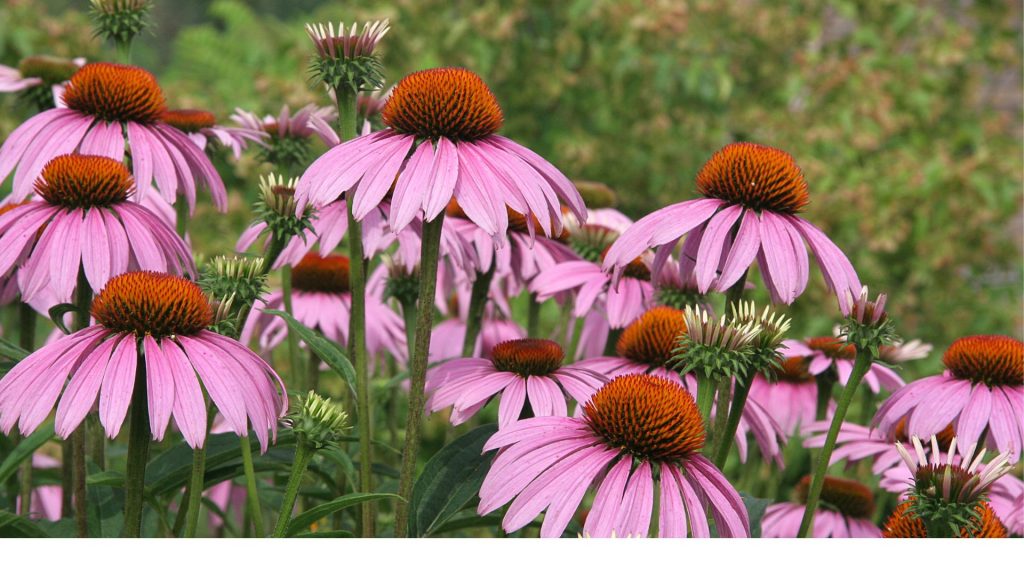
Why It’s Beautiful: Purple coneflowers have large, daisy-like flowers with vibrant purple petals and orange centers. Their bold and beautiful blooms are perfect for attracting pollinators like bees and butterflies.
3. Clematis (Clematis spp.)
Varieties: ‘The President,’ ‘Jackmanii,’ ‘Niobe’
Sun, Soil, and Watering Needs: Clematis thrives in full sun but appreciates some afternoon shade, especially in hotter climates. It prefers rich, well-draining soil that is slightly acidic to neutral. Water deeply, especially during dry spells, but be sure the soil drains well to avoid root rot.
Size: Clematis vines can grow from 6 to 12 feet tall, depending on the variety.
Growing Zones: Zones 3-9
Why It’s Beautiful: Clematis is a classic climbing plant, producing showy purple flowers in a wide range of shades. Whether growing on trellises, fences, or walls, its trailing vines and large blooms add drama and color to any vertical space.

4. Allium (Allium giganteum)
Varieties: ‘Globemaster,’ ‘Purple Sensation,’ ‘Drumstick’
Sun, Soil, and Watering Needs: Alliums require full sun and well-drained soil, preferring slightly acidic to neutral soil. Once established, they are drought-tolerant, needing only occasional watering.
Size: These striking plants grow between 2 to 4 feet tall, with flower heads that can reach 6 inches in diameter.
Growing Zones: Zones 4-8
Why It’s Beautiful: Alliums produce large globe-shaped clusters of small purple flowers on tall, sturdy stems. These architectural flowers look especially stunning in mixed beds and make a dramatic statement in the garden.

5. Irises (Iris spp.)
Varieties: Siberian Iris (Iris sibirica), Bearded Iris (Iris germanica), Dutch Iris (Iris x hollandica)
Sun, Soil, and Watering Needs: Irises thrive in full sun and well-draining soil. They prefer slightly acidic to neutral soil and enjoy regular watering but should not sit in waterlogged soil.
Size: Depending on the type, irises can range from 1 to 3 feet in height.
Growing Zones: Zones 3-9
Why It’s Beautiful: With their elegant, ruffled petals, irises are iconic garden flowers that come in a variety of purple shades, from soft lavender to deep violet. They make excellent focal points in gardens and are great for adding height to borders or beds.

6. Salvia (Salvia spp.)
Varieties: ‘Amistad,’ ‘Blue Angel,’ ‘Caradonna’
Sun, Soil, and Watering Needs: Salvia prefers full sun and well-drained soil. It’s quite drought-tolerant once established but benefits from occasional watering during hot, dry spells.
Size: Salvias can range from 12 inches to 4 feet tall, depending on the variety.
Growing Zones: Zones 4-9
Why It’s Beautiful: Known for its spiky purple flowers that attract hummingbirds and bees, salvia adds vertical interest and vibrant color to your garden. It’s ideal for edging, mixed borders, or in containers.

7. Liatris (Liatris spicata)
Varieties: ‘Kobold,’ ‘Alba,’ ‘Purple Poker’
Sun, Soil, and Watering Needs: Liatris grows best in full sun and well-draining, slightly acidic to neutral soil. It’s drought-tolerant once established but benefits from watering during extended dry spells.
Size: Liatris typically grows between 18 to 36 inches tall.
Growing Zones: Zones 3-9
Why It’s Beautiful: Liatris produces tall spikes of small, purple, feathery flowers. Its spiky blooms give the garden texture and provide a striking contrast to rounder flowers. It’s also a fantastic plant for attracting pollinators.

8. Verbena (Verbena spp.)
Varieties: ‘Homestead Purple,’ ‘Sparkler,’ ‘Superbena Royale’
Sun, Soil, and Watering Needs: Verbena prefers full sun and well-draining soil. It’s relatively drought-tolerant but still benefits from regular watering, especially during the hottest months.
Size: Verbena can grow as a low-spreading ground cover or as an upright plant up to 18 inches tall, depending on the variety.
Growing Zones: Zones 5-11
Why It’s Beautiful: Verbena’s clusters of small purple flowers create a colorful, long-lasting display throughout the summer. These easy-care flowers are perfect for hanging baskets, window boxes, or in the front of flower beds.

9. Bee Balm (Monarda spp.)
Varieties: ‘Purple Dandy,’ ‘Raspberry Wine,’ ‘Balmy Purple’
Sun, Soil, and Watering Needs: Bee balm grows best in full sun to partial shade and prefers moist, well-drained soil. Keep the soil consistently moist, especially during hot summers.
Size: Bee balm can reach up to 3 feet in height and spread 1 to 2 feet wide.
Growing Zones: Zones 4-9
Why It’s Beautiful: Bee balm features spiky purple flowers that look like fireworks. These attractive blooms not only add beauty to your garden but also attract bees, butterflies, and hummingbirds. Plus, they can be used to make herbal teas.

10. Pansies (Viola tricolor var. hortensis)
Varieties: ‘Purple Bowels,’ ‘Cool Wave Purple,’ ‘Sorbet Lavender Ice’
Sun, Soil, and Watering Needs: Pansies thrive in partial sun and well-drained, rich soil. They prefer cooler temperatures and require regular watering, especially during dry spells.
Size: Pansies are compact, growing to a height of around 6 to 9 inches.
Growing Zones: Zones 6-10
Why It’s Beautiful: Pansies come in a variety of purple shades, from deep purple to soft lavender. They have heart-shaped petals that create a cheerful, vibrant look in your garden. Ideal for containers, hanging baskets, and garden borders.

My Sunny Thoughts
Purple flowers bring elegance, charm, and color to any garden. From the iconic lavender to the towering allium, each of these beautiful purple blooms offers something unique in terms of beauty and functionality. Whether you’re creating a garden full of fragrance, attracting pollinators, or simply adding a pop of color, these flowers are sure to make your garden shine.
Remember to consider each flower’s specific needs, including sunlight, soil, and watering preferences, to ensure they thrive in your garden. With the right care, these purple beauties will be the star of your outdoor space all season long!