
Thinking of Starting a Homestead? Here’s How Much Land You Really Need
If you’re thinking about starting your own homestead, you’re probably wondering, “How much land do I actually need?” The answer isn’t one-size-fits-all, but with a little planning and knowledge, you’ll be able to figure out how much space you need to create the self-sufficient life of your dreams. In this post, we’ll break down everything you need to know to make this decision, including the factors that influence the size of your homestead and tips on how to use the space you have.
Understanding the Basics of Homesteading
Before diving into the question of how much land you’ll need, let’s take a moment to understand what homesteading is all about. Homesteading is a lifestyle centered around self-sufficiency. It typically involves growing your own food, raising animals for meat, milk, or eggs, and living more sustainably with a reduced reliance on commercial systems.
Some homesteaders grow their own vegetables and fruits, raise animals like chickens or goats, produce their own dairy, and preserve food for the winter. The size of the homestead largely depends on how self-sufficient you want to be and what kind of resources you want to utilize. For instance, some homesteaders focus on gardening and small-scale animal husbandry, while others might prioritize food production on a larger scale.
The Ideal Homesteading Land Size: What You Need to Know
The ideal land size for your homestead depends on several factors, such as the kind of homesteading you’re interested in, the climate of your region, and the number of animals you plan to raise. Let’s explore these factors more in-depth:
1. Your Homesteading Goals
What are you hoping to achieve with your homestead? The amount of land you need is directly related to how much you want to produce. Some basic homesteading activities that require land include:
- Gardening: Growing fruits and vegetables is a key part of homesteading. Depending on how many people you need to feed, a small garden could be enough to supplement your meals, or you may want to dedicate a larger portion of your land to growing a variety of crops.
- Raising Livestock: If you plan to raise chickens, goats, sheep, or other animals, this will require more space. Chickens need room to roam, and larger animals like cows or pigs will need additional pasture.
- Self-Sufficiency: If your goal is total self-sufficiency, you’ll likely need more land to grow a variety of crops and manage animals for meat, milk, and eggs. This could require anywhere from 5-20 acres or more.
2. Gardening and Crop Production
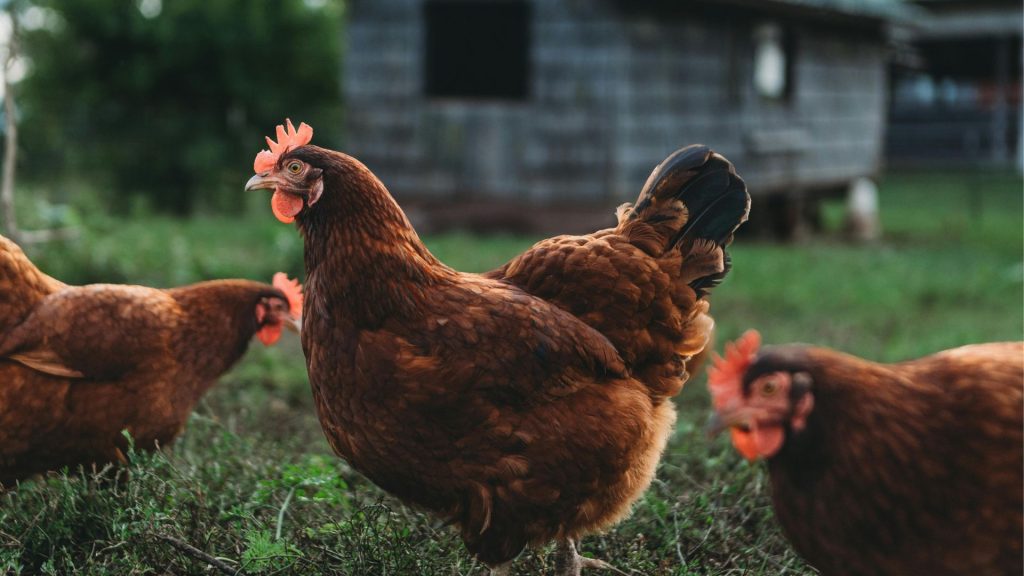
When it comes to growing your own food, the amount of space you’ll need depends on what you’re planting and how many people you need to feed.
- Small Garden: If you’re growing vegetables for just yourself or your family, you can get by with 1/4 to 1/2 an acre of garden space. This is enough room to plant a variety of crops, such as tomatoes, peppers, beans, and leafy greens.
- Larger Garden: If you want to grow more food for a larger family or to sell produce at a local market, you may need 1-2 acres of dedicated garden space. This would allow for crop rotation and increased yields.
A general rule of thumb is that each person will need about 300-400 square feet of garden space to produce their own vegetables. So for a family of four, you would need about 1,200-1,600 square feet.
3. Raising Livestock
Raising animals for meat, milk, or eggs requires land for grazing, shelter, and space to roam. Different animals require different amounts of space, and knowing this will help you determine how much land you need.
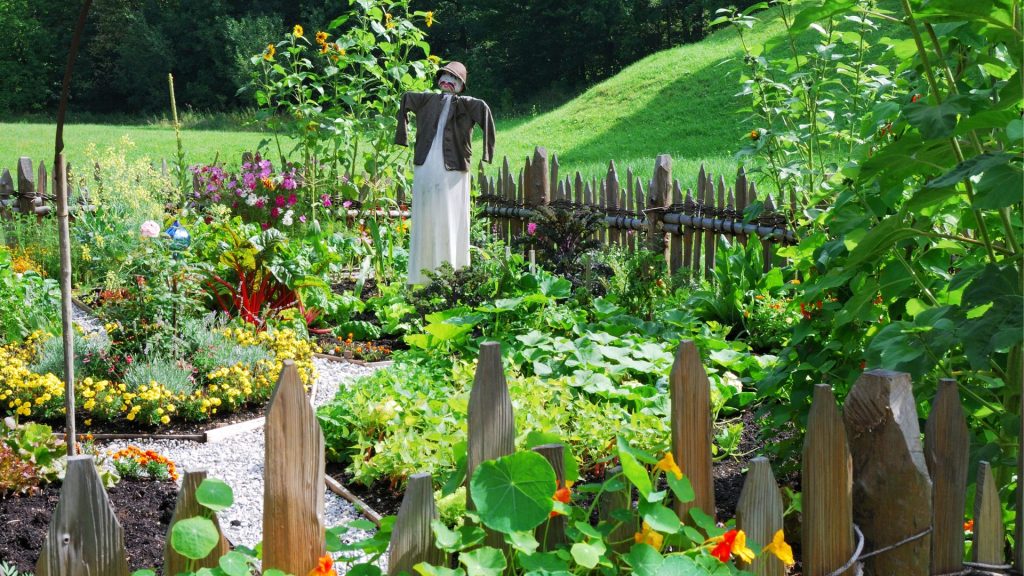
- Chickens: A small flock of 6-10 chickens can live comfortably in a coop with a small run, and you’ll need about 1/8 to 1/4 of an acre for grazing and free-range time.
- Goats: A small goat herd (2-4 goats) requires at least 1/2 to 1 acre of pasture for grazing. If you plan to raise goats for milk or meat, you’ll need enough space to keep them healthy and happy.
- Cows: If you plan to raise cattle, you’ll need significantly more space. For a small herd, at least 5-10 acres of pasture is recommended. If you’re raising dairy cows, this could increase to 10-20 acres.
- Pigs: Pigs need at least 1/4 to 1/2 an acre of space per animal. However, more space is better to allow them to forage and root.

4. Climate and Location
Your climate and location also play a role in how much land you need. In warmer climates, your growing season will be longer, allowing you to grow more crops on a smaller piece of land. In colder climates, you may need additional space for greenhouses or other methods of extending the growing season.
Additionally, factors like soil fertility and water availability will influence how much land you need. If your land is particularly fertile, you might be able to grow a lot more with less space. If your land isn’t as fertile, you may need more land to compensate or invest in soil amendments like compost to improve soil quality.
5. Sustainability and Resource Management
The more sustainable and eco-friendly you aim to be, the more you’ll need to plan for the resources required. For example, you’ll need access to clean water sources, natural fertilizers, and proper waste management (like composting) to keep your homestead running smoothly. The amount of land you need will depend on how much you want to rely on these systems and how much you want to integrate them into your daily routines.
Land Size Recommendations Based on Different Homesteading Goals
- Small-Scale Homesteading (Less than 5 acres): Ideal for those who want to focus on gardening and raising small livestock, such as chickens, rabbits, or goats. You can live sustainably with just 1 to 5 acres, provided you are strategic about land use and prioritize what you want to grow.
- Medium-Sized Homesteading (5-10 acres): Great for growing a variety of crops, raising more animals, and establishing a more self-sufficient lifestyle. You’ll have enough room to diversify your crops and manage small to medium-sized livestock like goats, pigs, and chickens.
- Large Homesteading (10+ acres): Perfect for those who want to grow large amounts of food, raise a variety of livestock, and have more space to practice self-sufficiency. This land size allows for intensive crop production, larger herds of animals, and room for systems like orchards, greenhouses, and composting areas.
Tips for Getting Started
- Start Small: If you’re new to homesteading, start with a small piece of land and scale up as you learn. You’ll get a feel for the responsibilities of managing the land and raising animals, and you can always expand in the future.
- Prioritize Your Needs: Focus on the essentials first, such as a garden and a small flock of chickens or a couple of goats. As you become more comfortable with your new lifestyle, you can add additional animals or crops.
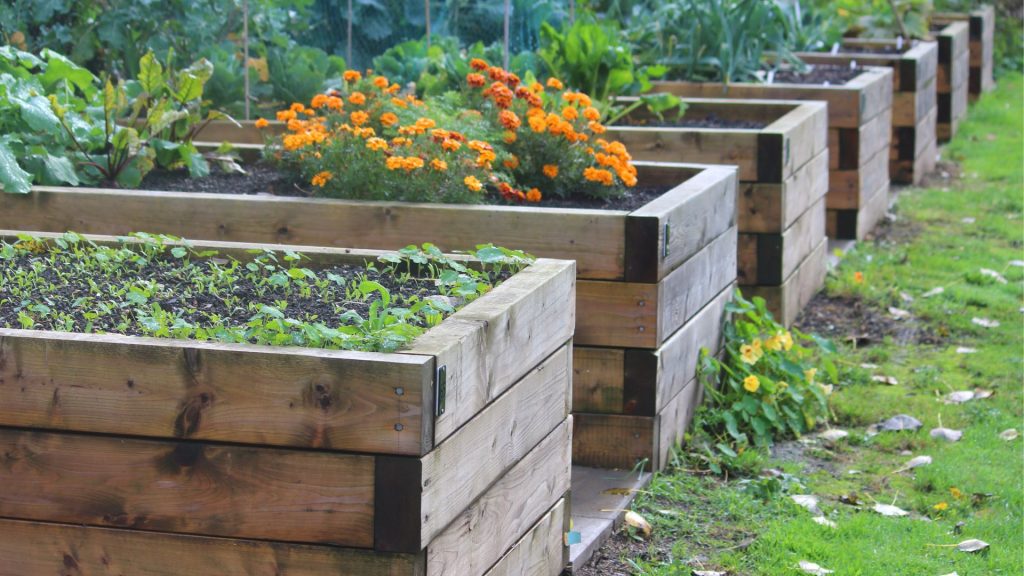
- Use Vertical Gardening: If you’re tight on space, you can increase your yield by growing vertically. Use trellises, raised beds, or even hanging containers to maximize your garden’s productivity.
- Utilize Permaculture Principles: Permaculture is an approach to land management that mimics natural ecosystems. By integrating animals, plants, and water systems in a way that works together, you can reduce your workload while still growing a diverse and sustainable homestead.
My Sunny Thoughts
So, how much land do you need to start a homestead? The answer really depends on your personal goals and the amount of time, effort, and resources you’re willing to invest. Whether you’re looking to live on just a small plot of land or plan to raise large animals and grow a variety of crops, there’s no perfect amount of land—just what works best for you.
Do you have any experience with homesteading or are you just getting started? What kind of land do you have or are you looking for? Share your thoughts in the comments below—we’d love to hear from you!


