Mini Succulents for Small Spaces: How to Keep These Tiny Plants Thriving
Succulents are the perfect plant for anyone looking to add a touch of greenery to their space. These low-maintenance, drought-tolerant beauties are loved for their unique shapes, textures, and vibrant colors. But, have you ever thought about adding mini succulents to your collection? These pint-sized plants are just as charming as their larger counterparts and can be the perfect addition to any room, especially if you’re short on space!
In this blog post, we’ll dive into the world of mini succulents, explore the best types to grow, and share tips on how to care for them. You’ll get to know the right watering schedules, soil preferences, and lighting needs for these little plants so you can keep them thriving!
Why Mini Succulents?
Mini succulents are the best of both worlds—they pack all the charm of full-sized succulents but are small enough to fit in tiny spaces like windowsills, shelves, or even in terrariums. They’re great for decorating small spaces, and their tiny size makes them perfect for gifting or creating cute arrangements.
But mini succulents aren’t just adorable—they’re also incredibly easy to care for. Like their larger cousins, they thrive on neglect, which makes them perfect for both beginner and experienced plant lovers. Plus, there are so many varieties to choose from, each with its own unique shape and color!
Ready to learn how to care for these little beauties? Let’s jump in!

Best Types of Mini Succulents
There are countless varieties of succulents to choose from, but here are some of the most popular mini types that are easy to grow and maintain:
1. Echeveria
Echeveria is one of the most well-known succulent varieties. This plant has rosette-shaped leaves that come in a variety of colors, including green, pink, and even purple. Mini Echeveria succulents are particularly popular for their compact size and stunning appearance.
Care Tips:
- Light: Echeveria succulents love bright, indirect sunlight. If placed in direct sunlight, they may develop sunburn spots, so be cautious.
- Water: Water when the soil is completely dry. Avoid watering the leaves, as this can cause rot.
- Soil: Well-draining cactus or succulent mix works best. You can also add sand or perlite to improve drainage.

2. Haworthia
Haworthia is another popular succulent that has miniature, spiky leaves arranged in a rosette pattern. They come in a variety of green shades, often with white stripes or spots on their leaves. Their small size and unique look make them a great addition to any succulent collection.
Care Tips:
- Light: Haworthia succulents do best in bright, indirect light but can tolerate low light conditions. However, avoid too much direct sunlight, which can cause them to become sunburned.
- Water: Allow the soil to dry out completely before watering. Water sparingly in the winter months when the plant is dormant.
- Soil: Use a well-draining cactus mix or a mix of perlite, sand, and regular potting soil.

3. Sedum
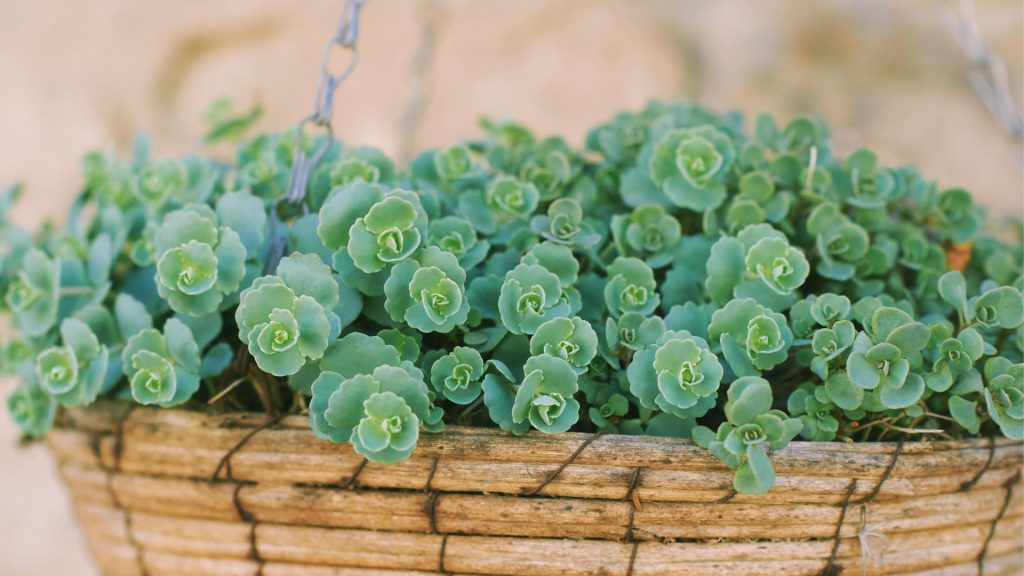
Sedum, also known as “Stonecrop,” comes in many varieties, some of which are tiny enough to make perfect mini succulents. They’re known for their thick, fleshy leaves and ability to store water, which makes them incredibly drought-tolerant.
Care Tips:
- Light: Sedum succulents need at least 6 hours of direct sunlight per day. The more sunlight they get, the better they’ll grow.
- Water: Water the plant when the soil is dry to the touch. Be sure to let the soil dry completely between waterings.
- Soil: A well-draining soil mix is key for Sedums. A cactus or succulent mix will work perfectly, or you can add extra sand to improve drainage.
4. Crassula Ovata (Jade Plant)
Crassula Ovata, commonly known as the Jade Plant, is a classic succulent with thick, round, glossy leaves. Mini jade plants are a great way to introduce this hardy succulent into small spaces, and they make wonderful, low-maintenance houseplants.
Care Tips:
- Light: Jade plants thrive in bright, indirect sunlight. A sunny windowsill is ideal for these little guys.
- Water: Water your mini jade plant when the top inch of soil feels dry. In winter, water even less frequently as the plant enters a dormant period.
- Soil: Use well-draining soil, like a cactus mix. Jade plants prefer slightly sandy soil, so you can mix in some sand for better drainage.

5. Aloe Vera
Aloe Vera is famous for its healing properties, but it’s also an adorable mini succulent to grow! The leaves of this plant are thick, fleshy, and often have spiky edges. Mini Aloe Vera plants are perfect for adding a touch of green to any space.
Care Tips:
- Light: Aloe Vera plants need bright, indirect sunlight. They can tolerate some direct sun but be careful not to burn the leaves.
- Water: Like other succulents, Aloe Vera plants prefer to be on the dry side. Water them thoroughly when the soil is dry to the touch but avoid letting the plant sit in water.
- Soil: Use well-draining soil with a good amount of sand or perlite. This will help prevent root rot.

6. Lithops (Living Stones)
Lithops, also known as “Living Stones,” are a unique type of mini succulent that resembles tiny stones or pebbles. They’re perfect for anyone looking for something truly special and out-of-the-box. Their camouflage-like appearance is one of their most interesting features.
Care Tips:
- Light: Lithops need full sunlight to thrive. They love bright, direct sunlight, so place them in a sunny spot, like a south-facing windowsill.
- Water: Water sparingly. Lithops are incredibly drought-tolerant and can go without water for long periods. Water them once every 2-3 weeks during the growing season.
- Soil: Use a well-draining cactus mix or sandy soil. These plants don’t like to be overwatered, so ensure that the soil drains well.

Caring for Mini Succulents: The Essentials
Mini succulents may be small, but they still have specific care requirements. Here are the key things you need to know to keep your little plants healthy and happy:
Watering Mini Succulents
One of the most important things to remember when caring for succulents is that they don’t need a lot of water. Overwatering is a common mistake that can lead to root rot and other issues. A good rule of thumb is to water your mini succulents when the top 1-2 inches of soil feel dry. During the winter months, succulents typically enter a dormant period, so water even less frequently.
Make sure your pot has drainage holes to prevent water from sitting at the bottom, which can cause rot.
Light Preferences
Mini succulents generally love bright, indirect sunlight. A windowsill with plenty of light is ideal for these plants. Some succulents, like Sedum and Lithops, can tolerate direct sunlight, but others—such as Haworthia—do better in low to moderate light. If your succulents start to stretch or become leggy, they may not be getting enough light. Conversely, too much direct sunlight can cause them to burn, so be cautious.
Soil Preferences
Mini succulents prefer well-draining soil. Succulent or cactus mixes work great, but you can also make your own by combining potting soil with sand, perlite, or pumice to improve drainage. Good soil ensures that excess water doesn’t sit around the roots, which can lead to root rot.

Tiny Plants, Big Impact!
Mini succulents may be small, but they pack a big punch when it comes to style and charm. From Echeveria to Lithops, these tiny plants can brighten up any room and are the perfect choice for anyone looking for a low-maintenance, but high-impact, addition to their plant collection.
With just a little care and attention to their watering, light, and soil needs, your mini succulents will thrive and bring a touch of nature into your space. Plus, their small size makes them perfect for creative arrangements, tiny terrariums, or even as adorable gifts.
We’d love to know—what are your favorite mini succulents to grow? Do you have any tips or fun tricks for caring for these little plants? Share your thoughts and experiences in the comments below!