
Low-Water, High Impact: Stunning Desert Landscaping Ideas for Your Garden
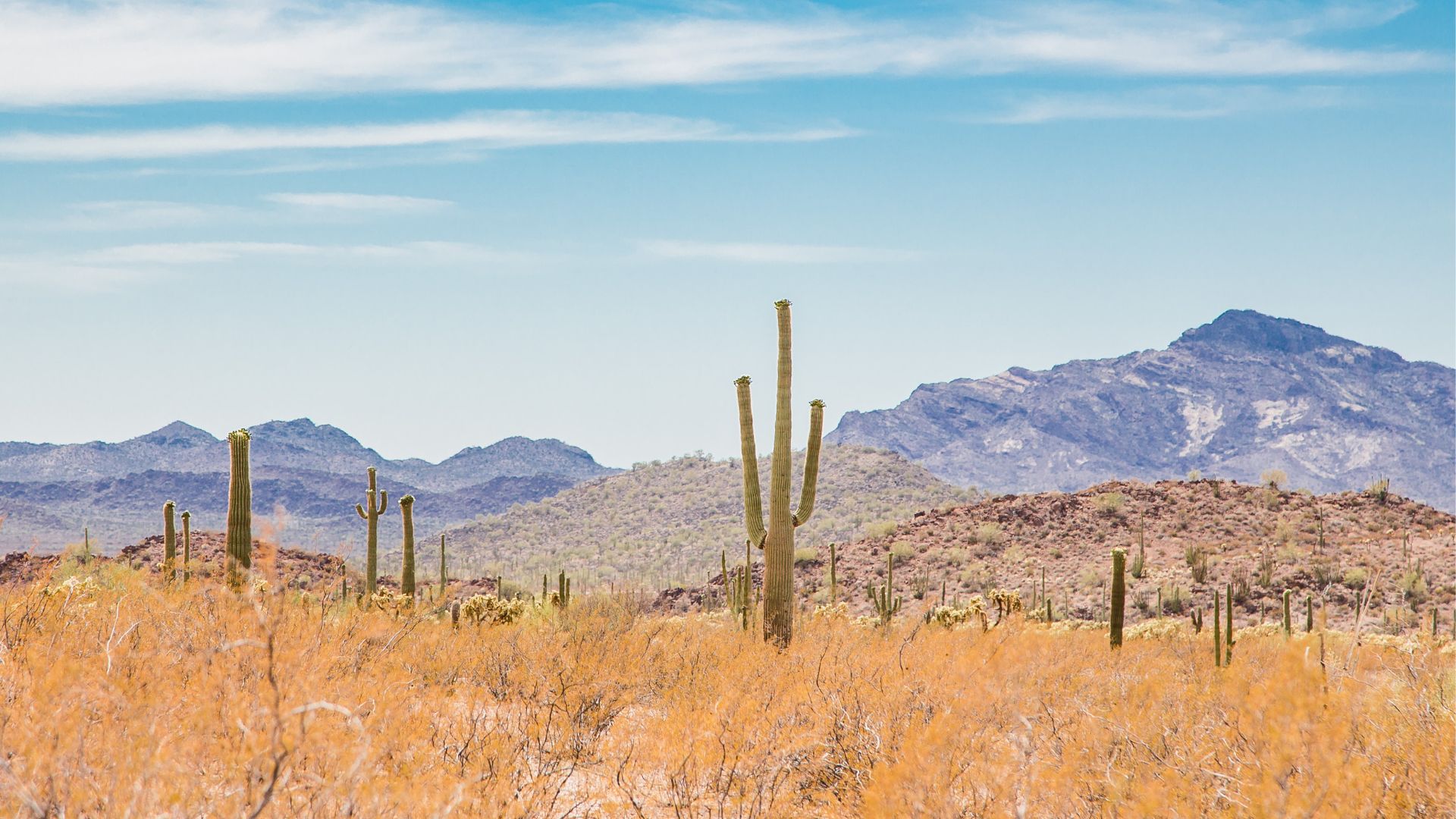
When you think of desert landscapes, you might envision dry, barren spaces with little to no greenery. However, with the right approach, a desert landscape can be transformed into a vibrant, beautiful garden that thrives with minimal maintenance. In fact, desert landscaping is not only stunning, but it also aligns with sustainable practices, conserving water and promoting biodiversity.
If you live in a dry, arid climate or simply want to create a low-maintenance garden, desert landscaping might be the perfect solution. This style of landscaping is characterized by drought-tolerant plants, smart design choices, and natural features that thrive without constant care and attention. Whether you’re new to desert gardening or a seasoned pro, there are plenty of easy, low-maintenance ideas that can elevate your outdoor space.
In this blog post, we’ll explore some of the best desert landscaping ideas that are both easy to maintain and visually appealing, turning your garden into a lush, eco-friendly oasis.
1. Embrace Drought-Tolerant Plants
One of the easiest ways to create a low-maintenance desert garden is by choosing drought-tolerant plants that can thrive in dry conditions with minimal water. Many native desert plants are perfectly adapted to arid environments and require little care once established.
Best Drought-Tolerant Plants for Desert Landscaping:
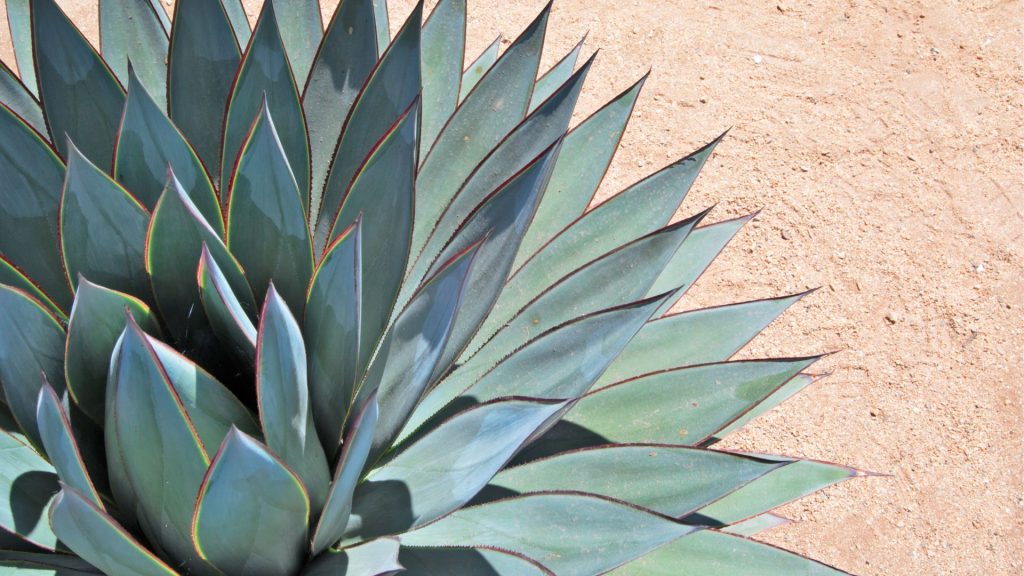
- Agave: Known for its striking rosette-shaped leaves, agave is a popular desert plant that adds a modern, sculptural element to any garden. These hardy plants require very little water and can withstand the harsh desert heat.
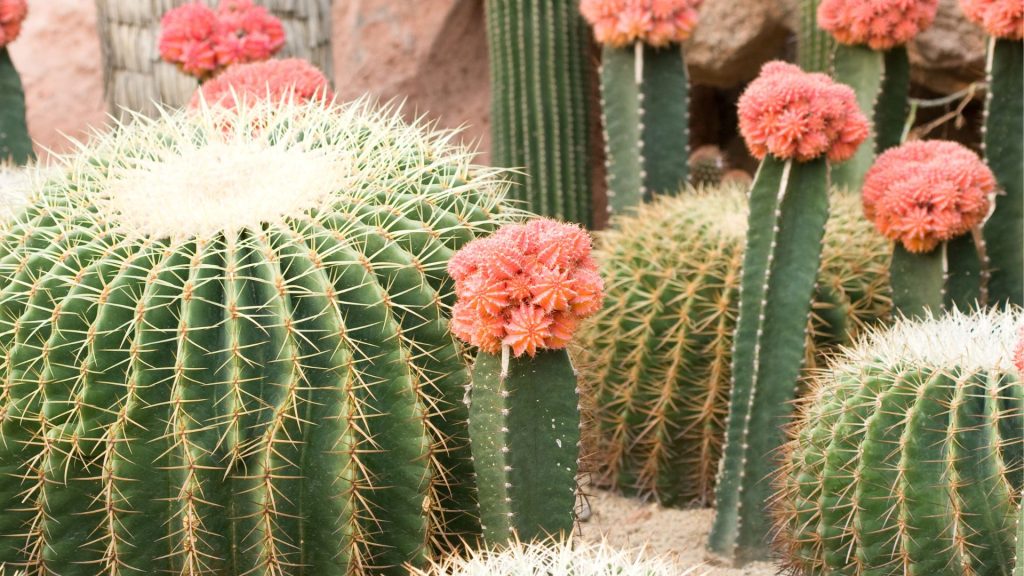
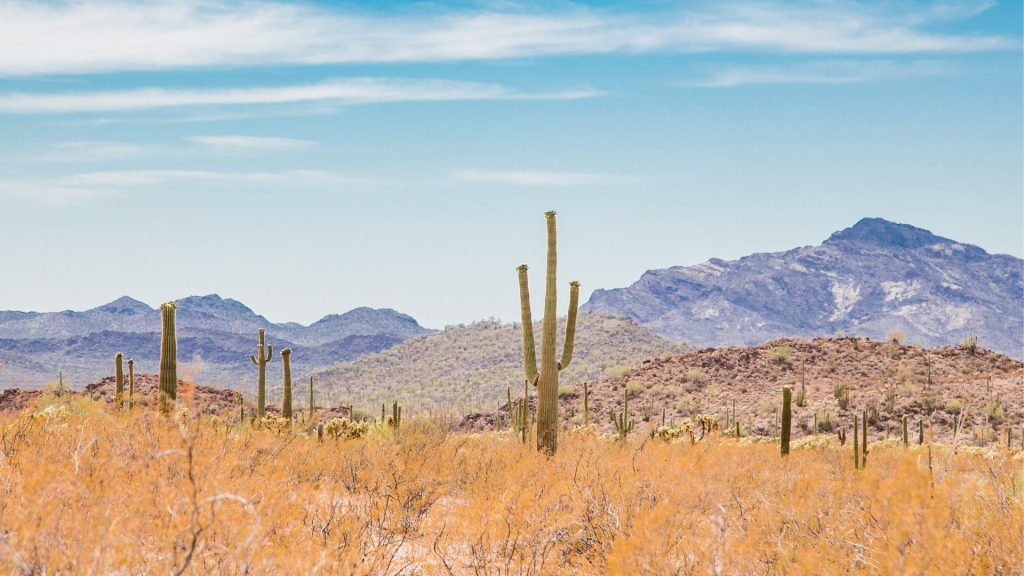
- Cacti: Cacti are the quintessential desert plant and come in a variety of sizes and shapes. Varieties like the Saguaro, Barrel Cactus, and Prickly Pear are perfect for adding interest and texture to your garden.
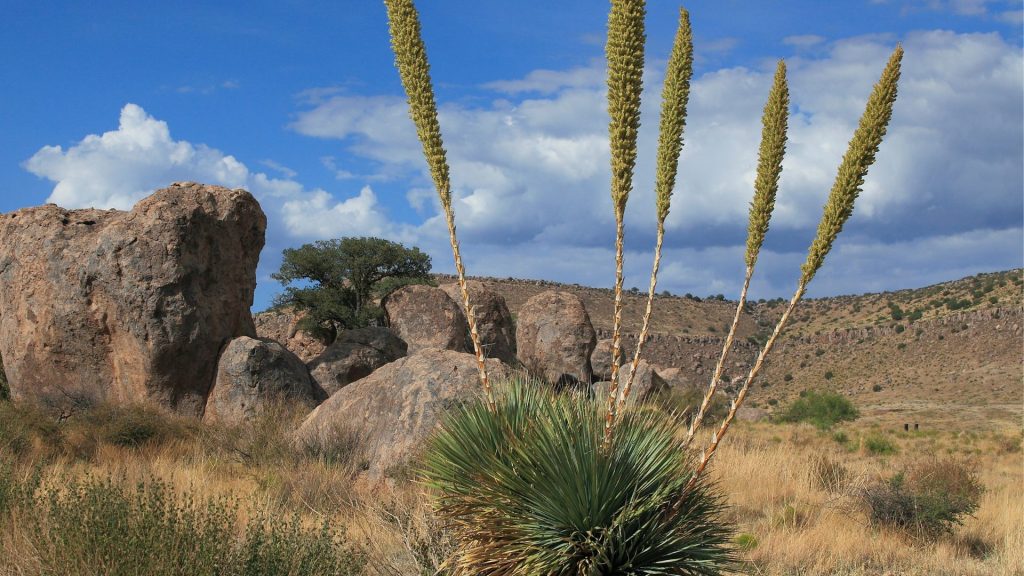
- Yucca: With its tall, spiky leaves and unique flowers, yucca is a beautiful and low-maintenance plant that thrives in desert climates. It adds drama and structure to your landscape with minimal effort.
- Red Yucca: Known for its stunning red tubular flowers that attract hummingbirds, the Red Yucca is a hardy plant that requires little water and care once established.
- Desert Marigold: This cheerful yellow-flowered plant is perfect for brightening up your desert garden. It thrives in full sun and dry soil, making it an excellent addition to any low-maintenance garden.
Why It Works:
Drought-tolerant plants are specially adapted to arid climates, so they don’t require frequent watering, making them perfect for low-maintenance landscaping. Once established, many of these plants will thrive without much intervention, saving you time and effort.
2. Incorporate Rocks and Gravel for Texture
A key feature of desert landscaping is the use of rocks, gravel, and other natural materials that mimic the look of the desert. These elements provide texture, visual interest, and help conserve water by reducing evaporation. Gravel and rocks can also serve as mulch to suppress weeds, reducing the amount of maintenance needed.
Ideas for Using Rocks and Gravel:
- Create a Rock Garden: Use a combination of different-sized rocks to create a visually appealing rock garden. Layer the rocks in a natural, random arrangement to mimic a desert landscape. You can plant low-maintenance succulents, cacti, and other drought-tolerant plants in between the rocks for added interest.
- Gravel Pathways: Instead of traditional grass or concrete paths, opt for gravel pathways. Gravel is easy to install, allows water to drain efficiently, and doesn’t require mowing or regular upkeep. Plus, it gives your landscape a clean, modern look.
- Use Boulders as Focal Points: Large boulders or stones can serve as a striking focal point in your desert landscape. Place them in key areas of your garden to add height and visual interest.

Why It Works:
Rocks and gravel are not only aesthetically pleasing but also serve functional purposes in desert landscaping. They help reduce the amount of water needed by promoting better drainage and reducing evaporation. Additionally, they provide a natural habitat for wildlife and can be used to create visually dynamic garden features.
3. Choose Native Plants
When it comes to desert landscaping, native plants are your best friend. These plants are naturally suited to the local climate, soil, and environmental conditions, making them extremely low-maintenance once they’re established. Native plants also have deep root systems that allow them to thrive in dry conditions while supporting local wildlife like pollinators, birds, and insects.
Popular Native Desert Plants:
- Desert Spoon: Known for its striking, long, spiky leaves, the Desert Spoon is a hardy plant that is well-suited to dry, arid landscapes. It’s low-maintenance and provides architectural interest in any garden.
- Teddy Bear Cholla: The Teddy Bear Cholla is a unique cactus with a soft, furry appearance. It’s low-maintenance and provides excellent structure and color in your garden.
- Desert Lavender: With its fragrant purple flowers and silver-gray foliage, Desert Lavender thrives in hot, dry conditions. It adds a soothing scent and a pop of color to your garden.
- Indian Paintbrush: This native wildflower produces striking red and orange blooms, adding a bold splash of color to your desert garden. It requires very little care and thrives in full sun.
Why It Works:
Native plants are adapted to local conditions and generally require less water, fertilizer, and pest control than non-native species. They also attract and support local wildlife, helping to create a more sustainable and ecologically balanced garden.
4. Create a Low-Water Lawn Alternative
Traditional lawns require a lot of water, regular mowing, and constant maintenance. However, in a desert landscape, maintaining a green lawn can be challenging and wasteful. Instead, consider replacing your lawn with a low-water alternative that still provides green space without the maintenance demands.
Low-Water Lawn Alternatives:
- Buffalo Grass: Buffalo grass is a drought-tolerant grass that requires very little water once established. It’s a great option for those who want a soft, green lawn without the high water usage.
- Artificial Turf: If you love the look of grass but don’t want the maintenance, artificial turf is a great option. It requires no watering, no mowing, and always looks pristine, making it a perfect low-maintenance choice.
- Groundcover Plants: Low-growing, drought-tolerant groundcover plants, such as Creeping Thyme or Sedum, can be used in place of a traditional lawn. These plants create a lush, green carpet while requiring minimal water and care.

Why It Works:
These low-water alternatives help conserve water and reduce the need for mowing and fertilizing. They provide the look of a green lawn without the environmental impact, making them an excellent choice for a desert landscape.
5. Install Drip Irrigation for Efficient Watering
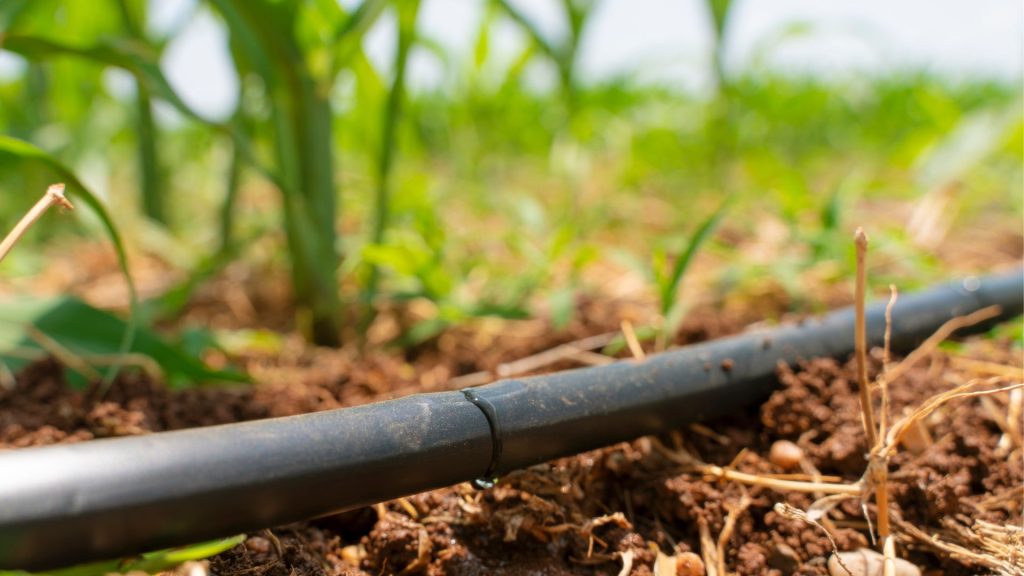
Watering can be one of the biggest challenges in a desert landscape, but with the right irrigation system, you can minimize water waste and ensure your plants receive just the right amount of hydration. Drip irrigation is an efficient way to water your garden while conserving water.
Why Drip Irrigation Works:
- Targeted Watering: Drip irrigation delivers water directly to the roots of plants, reducing evaporation and ensuring the water goes where it’s needed most.
- Reduced Water Waste: Unlike traditional sprinklers that spray water indiscriminately, drip systems minimize water loss and ensure efficient use of resources.
- Low Maintenance: Once set up, drip irrigation systems require minimal maintenance and can be adjusted to suit your plants’ watering needs.
Why It Works:
Drip irrigation is perfect for desert landscapes because it provides consistent moisture to drought-tolerant plants without wasting water. It’s an eco-friendly solution that ensures your plants stay hydrated, especially during dry spells, while reducing your water bill.
6. Incorporate Hardscaping Elements
In desert landscaping, hardscaping plays a crucial role in creating a low-maintenance garden. Hardscaping includes elements like patios, walkways, fences, and retaining walls that can add structure and interest to your garden without requiring constant care.
Hardscaping Ideas for Desert Landscaping:
- Stone Patios and Walkways: A stone or gravel patio is a great way to create a functional outdoor living space without worrying about mowing or watering. It also blends seamlessly with desert plants and materials.
- Retaining Walls: Use retaining walls made from natural stone to create terraces or level areas in your garden. These walls help with erosion control and can be used to frame garden beds.
- Desert Sculpture and Art: Incorporate desert-inspired sculptures or art pieces into your garden design. These can serve as focal points while adding visual interest without requiring any upkeep.
Why It Works:
Hardscaping elements help to reduce the amount of plant care needed and provide structure and visual appeal to your desert landscape. These elements can also serve practical purposes, such as controlling erosion or providing outdoor entertainment areas.
My Sunny Thoughts
Creating a beautiful, low-maintenance desert landscape is entirely achievable with the right plants and design choices. By incorporating drought-tolerant plants, smart irrigation systems, and hardscaping features, you can enjoy a stunning outdoor space that thrives in hot, dry conditions without requiring constant attention.
Whether you’re aiming for a modern, minimalist look or a more natural desert oasis, these easy-to-care-for landscaping ideas will help you achieve a garden that’s as beautiful as it is sustainable.
Do you have any desert landscaping tips or plant recommendations that have worked for you? Share your thoughts in the comments below!


