How to Deadhead Roses Like a Pro and Get More Blooms Than Ever Before
Roses are among the most cherished flowers in the gardening world, and for good reason. With their fragrant, vibrant blooms and elegant presence, they can turn any garden into a stunning masterpiece. But to keep them looking their best throughout the growing season, one key gardening technique is essential: deadheading.
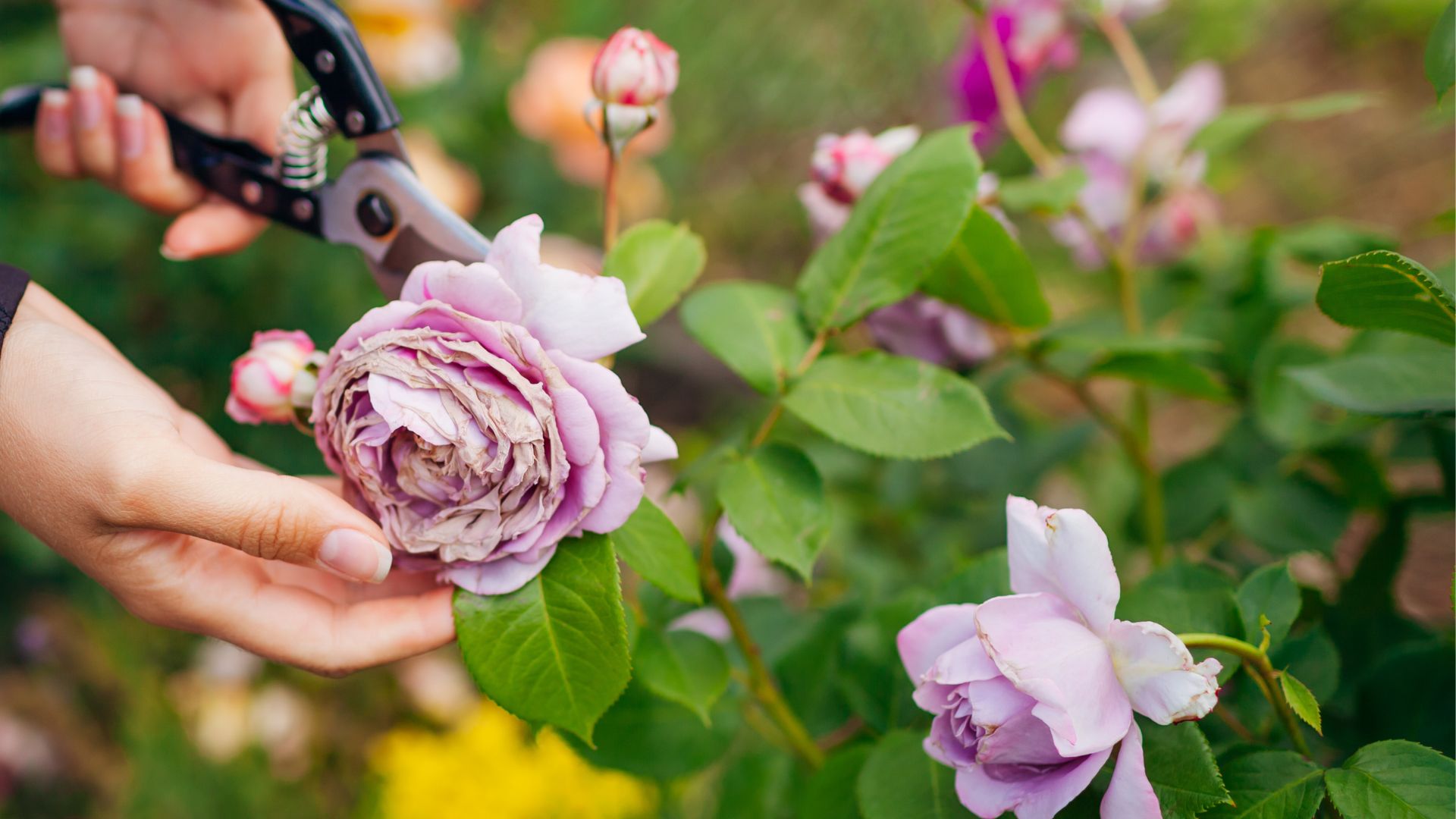
Deadheading is the process of removing spent or faded flowers from your rose plants. By doing so, you not only maintain a neat and tidy appearance but also encourage more blooms. In this post, we’ll dive deep into the art of deadheading, why it’s important, and how you can do it in a way that will maximize the blooming potential of your roses.
Why Deadheading is Essential for Your Roses
Deadheading is more than just about keeping your garden looking neat—it’s a technique that can actually make a huge difference in the health and vitality of your roses. Here’s why deadheading is so important:
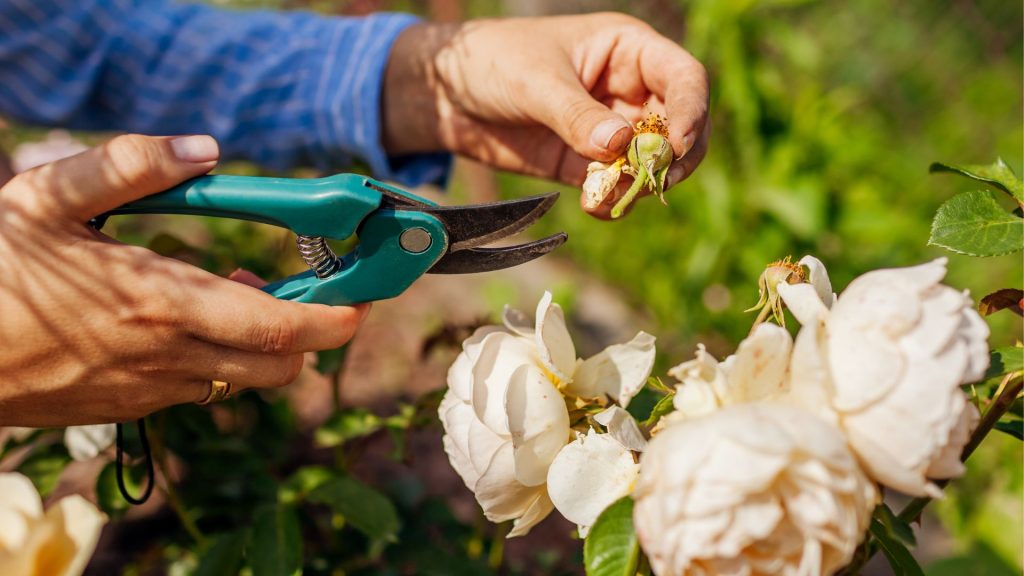
- Promotes More Blooms: By cutting off spent flowers, you redirect the plant’s energy from seed production to producing new buds and blooms. This encourages your rose plant to continue flowering throughout the season.
- Improves Plant Health: Removing dead or damaged flowers helps keep the plant from harboring disease or pests. It also improves air circulation around the plant, which is important for preventing fungal issues like black spot or powdery mildew.
- Enhances Aesthetic Appeal: Deadheading helps remove wilting blooms that might make the plant look unkempt, giving your garden a clean and well-maintained look.
- Prevents Disease: Dead or decaying flowers can become a breeding ground for pests and diseases. By removing them promptly, you reduce the risk of these issues spreading to the rest of the plant.
How to Deadhead Roses: A Step-by-Step Guide
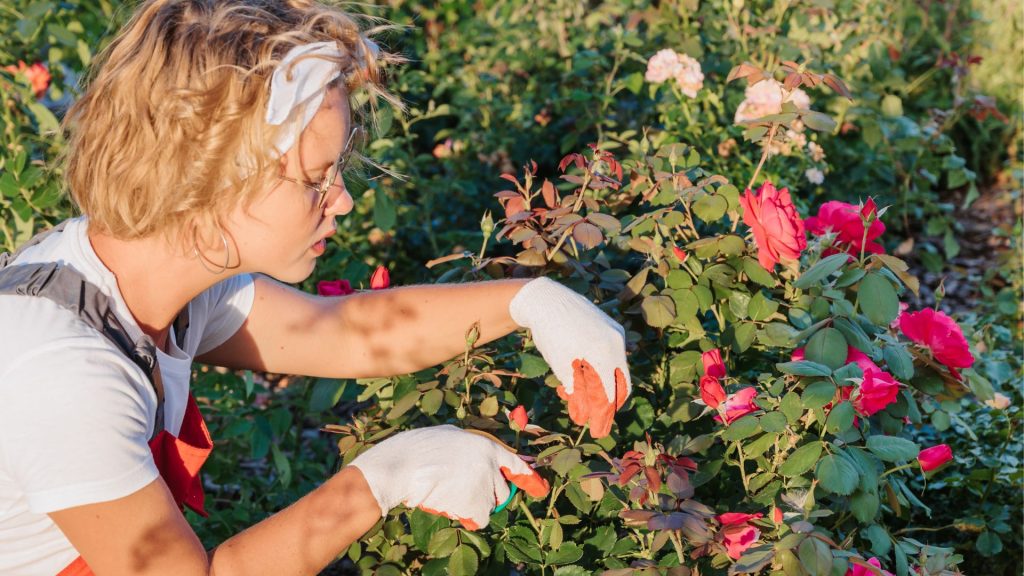
Deadheading roses isn’t complicated, but knowing the right technique can make all the difference in the results you get. Follow these simple steps to effectively deadhead your roses:
1. Identify the Spent Flowers
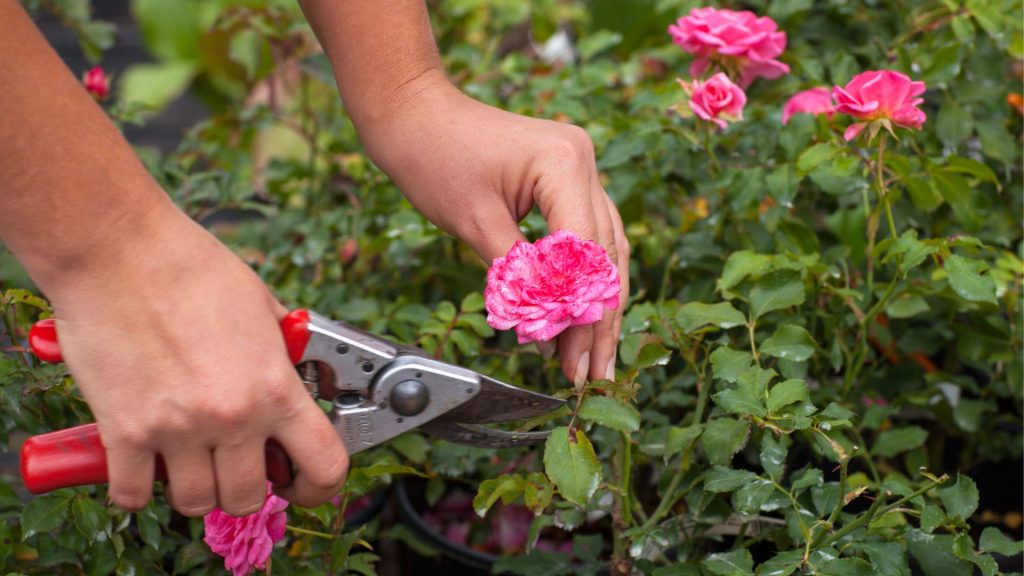
The first step in deadheading is identifying which flowers need to be removed. Spent blooms are typically the ones that are wilting, turning brown, or losing their petals. Make sure to distinguish between flowers that are past their prime and those that are still in the process of blooming.
2. Locate the Right Cutting Point
Once you’ve identified the spent flower, look for the first healthy set of leaves beneath the flower. The best place to make your cut is just above the leaf node, where you see at least 5 leaflets. Cutting here will stimulate fresh growth and encourage more blooms.
- For repeat-blooming roses: Make your cut just above the leaf node to encourage a fresh flush of blooms.
- For once-blooming varieties: These roses typically bloom once in early to mid-spring, so deadheading may be less frequent. However, it’s still beneficial for keeping the plant healthy.
3. Use Clean, Sharp Tools
When deadheading, always use sharp, clean tools like pruning shears or scissors. Dull tools can crush the stems and create jagged cuts, which can invite disease. Make sure your pruning shears are sanitized before use to prevent the spread of potential diseases from one plant to another.
4. Cut at an Angle
Always make your cuts at a slight angle, slanting away from the center of the plant. This allows water to drain away from the stem and reduces the risk of rot. Aim for about a 45-degree angle to ensure a clean, smooth cut.
5. Dispose of the Spent Flowers Properly
Once you’ve deadheaded the flowers, don’t leave the spent blooms lying around the plant. Dispose of them either in the compost bin (if they’re disease-free) or in the trash to prevent pests and diseases from spreading. Avoid leaving the decaying blooms in the garden as they can attract unwanted insects.
Deadheading Specific Rose Varieties
While the basic deadheading technique remains the same across most types of roses, some varieties may require more specific attention due to their unique growth habits. Here’s a breakdown of how to deadhead certain rose varieties to encourage maximum blooms:
1. Hybrid Tea Roses
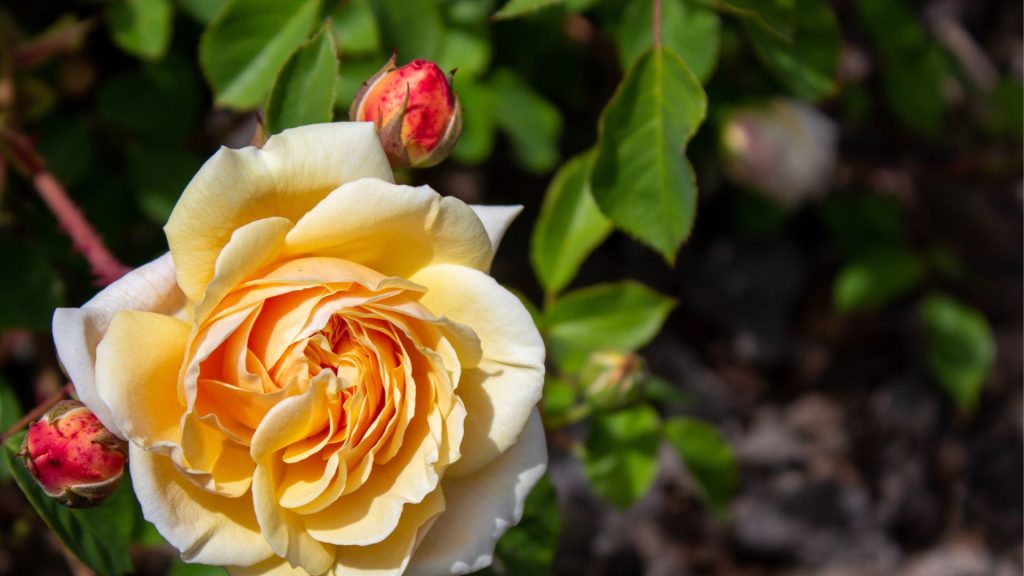
Hybrid Tea Roses are known for their elegant, long stems and large, single blooms. These roses are perfect for cut flower arrangements and add a touch of sophistication to any garden. However, they do require more regular attention when it comes to deadheading.
How to Deadhead Hybrid Tea Roses:
- Look for blooms that have begun to fade. Hybrid Tea Roses tend to bloom one flower at a time, so it’s important to remove individual spent blooms as soon as they begin to wither.
- Cut back to the first set of healthy leaves, ideally a 5-leaflet leaf, to encourage fresh new growth and new flowers.
- Make sure to deadhead regularly, as Hybrid Tea Roses will produce more blooms if deadheaded promptly. If you neglect deadheading, you might notice fewer flowers later in the season.
Deadheading Tip: Hybrid Tea Roses are often more susceptible to pests and diseases due to their long stems. Regular deadheading will help you spot any issues early, and keeping the plant tidy encourages better air circulation, reducing the risk of fungal diseases.
2. Floribunda Roses
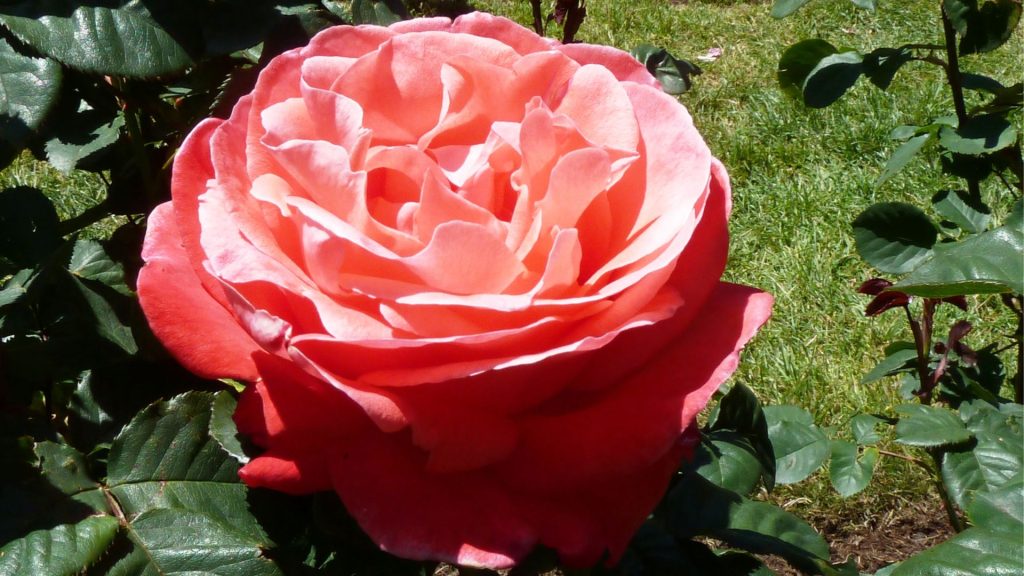
Floribunda roses are bushier plants that produce clusters of smaller flowers. They tend to bloom more prolifically than Hybrid Tea Roses, and deadheading them helps maintain their vigorous flowering.
How to Deadhead Floribunda Roses:
- Remove spent flowers as they fade, but instead of cutting each individual bloom, trim the entire cluster. Floribundas often produce multiple blooms on one stem, so removing the whole cluster encourages new growth for additional blooms.
- Cut back to a healthy set of leaves, typically a 3- or 5-leaflet leaf, to stimulate fresh flowering.
Deadheading Tip: Floribundas are more forgiving than Hybrid Teas when it comes to deadheading, but regular removal of faded flowers is still essential to keep them looking fresh and encourage further blooms.
3. Climbing Roses
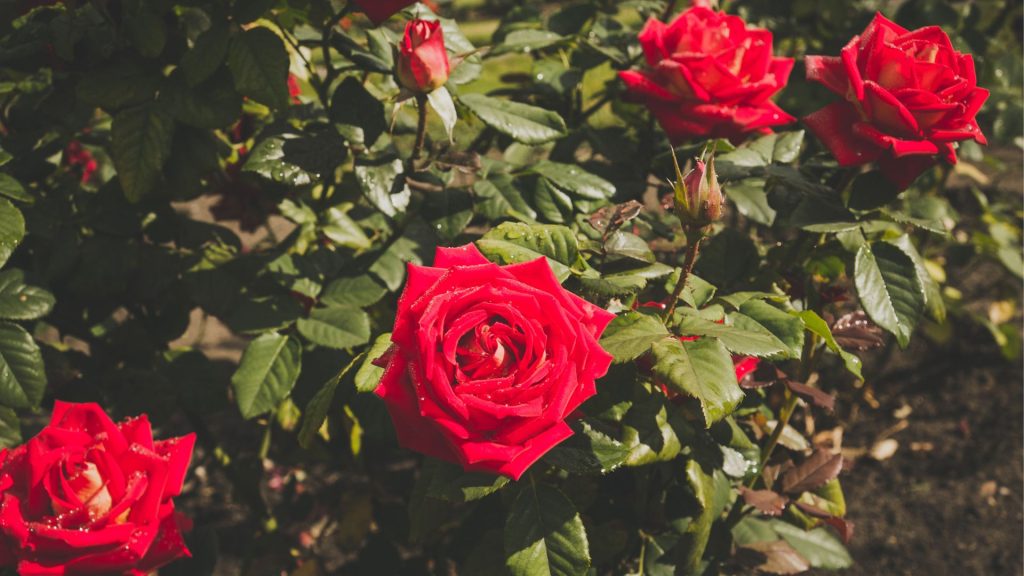
Climbing roses produce large, beautiful blooms on long, arching canes, and they often repeat bloom. Deadheading climbing roses can help encourage the next flush of blooms, but it’s important to remember that they may not need as much attention as other rose varieties.
How to Deadhead Climbing Roses:
- For repeat-blooming climbing roses, deadhead spent flowers after the first bloom period to encourage the next round of flowers. You’ll want to remove faded flowers in clusters.
- When deadheading climbing roses, cut back to the first healthy set of leaves on the stem, similar to how you would prune a Hybrid Tea or Floribunda.
- For once-blooming climbing roses, you may only need to deadhead once after the bloom cycle ends. These roses flower on older wood, so excessive pruning could prevent the next year’s bloom.
Deadheading Tip: Climbing roses are often vigorous and produce flowers on older wood, so be cautious not to cut back too much. Focus on removing spent blooms to keep the plant tidy while preserving its ability to flower in subsequent seasons.

4. Shrub Roses
Shrub roses, including English roses and other varieties, are known for their full, bushy growth and fragrant blooms. These roses may need less deadheading than Hybrid Teas or Floribundas but will still benefit from regular care.
How to Deadhead Shrub Roses:
- Remove spent flowers as needed, but don’t be overly aggressive. Shrub roses tend to have a more natural appearance and will bloom throughout the season without as much intervention.
- Cut back just above the first set of leaves, but avoid cutting too much of the plant’s growth, as shrub roses often bloom on older wood.
Deadheading Tip: Shrub roses can be pruned more heavily in early spring for a more formal look, but for the most part, deadheading will be less frequent compared to Hybrid Teas or Floribundas.
Tips to Maximize Blooms Through Deadheading
- Deadhead Regularly: The more frequently you deadhead, the more blooms you’ll get. Make it a habit to inspect your rose bushes every few days during the blooming season, especially after a rainstorm or wind.
- Keep the Plant Healthy: Deadheading is just one part of the equation. Regular watering, proper fertilizing, and addressing any pest or disease issues will all help your roses stay healthy and produce more flowers.
- Prune Back Old Wood: For some varieties like Hybrid Teas and Floribundas, cutting back older or weak stems can improve overall plant health and encourage new growth.
My Sunny Thoughts
Deadheading roses is an essential practice that ensures your plants stay healthy, beautiful, and productive throughout the season. By understanding the specific needs of different rose varieties—whether it’s the elegant Hybrid Tea Rose or the prolific Floribunda—you’ll be able to encourage maximum blooms in your garden. Regular deadheading, combined with proper care and maintenance, will keep your roses flourishing and looking picture-perfect all season long.