

The Best Pruning Techniques to Keep Your Houseplants in the Best Shape
If you’re a plant parent, you know how exciting it can be to watch your houseplants grow and flourish. However, as your plants continue to grow, they may start to outgrow their spaces, become leggy, or develop unhealthy growth patterns. This is where pruning comes into play. While it may seem like an intimidating task, pruning is actually one of the best things you can do for your houseplants. Not only does it help your plants look better, but it also encourages healthier growth and keeps them vibrant for years to come.
In this blog post, we’ll dive into everything you need to know about pruning houseplants: why it’s important, when to do it, and the best techniques to use. By the end, you’ll feel confident in your ability to give your houseplants a regular trim and keep them in tip-top shape.
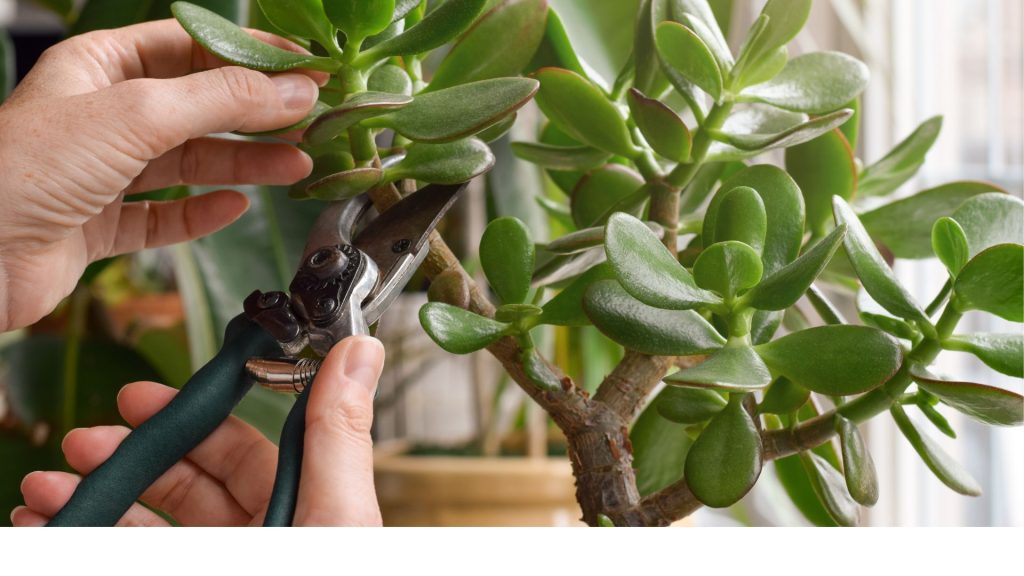
Why Pruning is Important for Houseplants
Pruning is a natural process that helps houseplants grow stronger and healthier. Just like you might trim your hair to promote healthy growth, pruning your plants helps encourage new shoots and keeps the plant looking neat and tidy. Here are some reasons why pruning is beneficial:
- Promotes Healthy Growth: Removing dead or damaged leaves and stems allows the plant to focus its energy on producing new growth. This helps the plant thrive and prevents it from wasting resources on unhealthy parts.
- Improves Shape and Aesthetics: Over time, plants can become leggy, bushy, or uneven. Pruning helps reshape the plant and keeps it looking balanced and attractive. This is particularly important for plants that are growing in indoor environments, where you want to maintain a neat appearance.
- Encourages Better Airflow and Light Penetration: By cutting back crowded areas, you allow more air and light to reach the center of the plant. This improves the plant’s overall health and helps prevent issues like mold and mildew.
- Controls Size and Space: If your plant has grown too large for its space, pruning can help maintain a manageable size. Regular trimming allows you to control how much space your plant occupies and keeps it from overwhelming your room.
- Prevents Disease: Pruning away dead, diseased, or damaged growth can help prevent the spread of illness. It’s also a good way to remove pests that might be hiding in the plant’s leaves or stems.

When Should You Prune Your Houseplants?
The timing of your pruning is crucial to its success. Generally, the best time to prune your houseplants is during the growing season — typically in spring or summer. This is when plants are actively producing new growth and can recover quickly from a trim. Pruning during this time encourages healthy regrowth.
However, you can also do light pruning during the fall or winter months, especially if you notice any dead or diseased parts that need to be removed. Just keep in mind that plants are in a more dormant state during the colder months, so they won’t grow as vigorously.
Tools You’ll Need for Pruning
Before you start snipping away at your houseplants, make sure you have the right tools. The right equipment can make the process much easier and safer for both you and your plants. Here’s what you’ll need:
- Pruning Shears: A good pair of pruning shears or garden scissors is essential. Make sure they’re sharp and clean to make precise cuts. If the blades are dull or rusty, they can damage your plant.
- Disinfectant: To avoid spreading disease from one plant to another, it’s important to disinfect your pruning tools before each use. Wipe them down with rubbing alcohol or a solution of one part bleach to nine parts water.
- Gloves: While not strictly necessary, wearing gloves can help protect your hands from sharp leaves, thorny stems, or sap. It’s also helpful if you’re dealing with toxic plants.

How to Prune Your Houseplants: Step-by-Step
Now that you understand the benefits of pruning and have the right tools, let’s walk through the process of pruning your houseplants.
1. Identify the Parts to Prune
Before you start trimming, take a moment to observe your plant. Identify any parts that look unhealthy or need to be removed. This might include:
- Dead or Yellowing Leaves: These are typically the easiest to remove and don’t contribute to the plant’s health.
- Damaged or Broken Stems: If a stem is broken or cracked, cut it back to prevent the plant from wasting energy on a damaged part.
- Leggy Growth: If your plant has stretched out too much, it may be a sign it’s not getting enough light. Pruning leggy growth can help it become more compact.
- Diseased Areas: If any part of the plant looks sick or has spots, prune it to prevent the disease from spreading.
- Crossing Stems: If stems are growing in a way that crosses each other, it’s best to prune one of them to prevent damage and allow the other to grow more freely.
2. Make Clean Cuts
Once you’ve identified the parts of the plant that need to be pruned, make clean cuts with your pruning shears. Here’s how to do it properly:
- Cut Above a Node: When pruning stems, make sure you cut just above a node — the point where a leaf or branch attaches to the stem. This encourages new growth to emerge from the node.
- Cut at a 45-Degree Angle: For most plants, it’s best to cut at a slight angle to allow water to run off the cut and prevent disease.
- Remove Damaged or Dead Tissue: For dead or dying parts of the plant, cut back to the base of the stem or to the point where the tissue is still healthy. Be sure to remove any leaves or stems that are completely brown or shriveled.
3. Thin Out Dense Growth
If your plant has grown too thick and dense, it’s important to thin out the growth. This ensures that light and air can reach all parts of the plant. To do this:
- Prune the Oldest Growth First: Start by removing older stems or leaves that are blocking light from reaching newer growth.
- Avoid Over-Pruning: While it’s tempting to trim a lot, it’s important to leave enough healthy foliage for the plant to continue thriving. Prune gradually and give the plant time to recover.
4. Dispose of Cuttings Properly
After pruning, make sure to dispose of the cuttings properly. Dead plant material can carry pests or disease, so it’s important to throw them away (rather than composting them) to prevent further issues.
5. Care for Your Pruned Plant
Once you’ve finished pruning, make sure to continue caring for your plant properly. Water it as needed, but don’t overdo it — freshly pruned plants don’t need as much water right away. If you pruned heavily, give your plant some time to adjust before fertilizing it again.

Common Pruning Mistakes to Avoid
While pruning is a simple process, there are a few mistakes that can be made. Here are some things to watch out for:
- Pruning Too Much: It’s tempting to trim everything in sight, but cutting too much at once can stress the plant and slow down its recovery.
- Using Dull Tools: Dull pruning shears can crush the plant tissue and introduce disease. Always use sharp tools.
- Pruning at the Wrong Time: Pruning during a plant’s dormant period can hinder its growth. Stick to pruning in spring or summer for the best results.
Sunny Thoughts
Pruning may sound intimidating at first, but once you get the hang of it, it becomes a satisfying and essential part of plant care. Regular pruning helps your houseplants grow stronger, healthier, and more beautiful, while also keeping them looking neat and tidy.
So, whether you’re cutting back dead leaves, shaping your plant, or encouraging new growth, remember that pruning is an investment in your plant’s future. Don’t be afraid to give your houseplants the care they deserve — your plants (and your home) will thank you for it!
What pruning tips have worked best for you? Share your thoughts and experiences in the comments below!


