
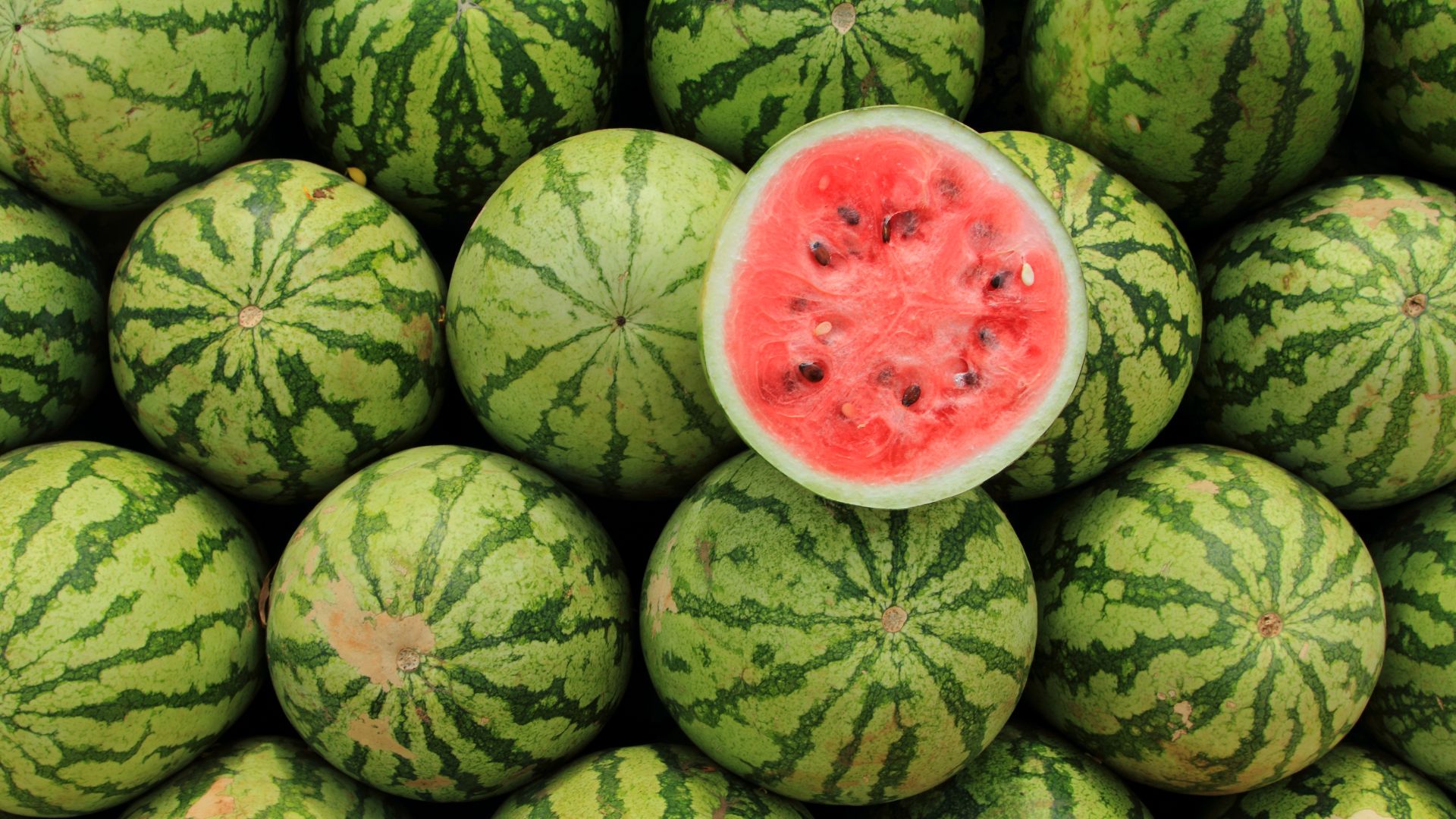
Watermelon Growing Tips: How to Get the Juiciest, Most Flavorful Harvest Yet
There’s nothing quite like a sweet, juicy watermelon on a hot summer day. Whether you’re growing them for your family or to share with friends, the satisfaction of harvesting a perfectly ripe watermelon from your garden is hard to beat. But growing watermelons isn’t always as simple as it seems. To get the biggest, juiciest melons, you need to give them the best conditions possible, from planting to harvest.
If you want to maximize your watermelon harvest and enjoy the best crop possible, here are some essential tips to help you grow watermelons like a pro!
1. Choose the Right Watermelon Variety
When growing watermelons, it’s important to start with the right variety. There are many different types of watermelons, and not all are suited for every climate or growing environment. From small, personal-sized melons to massive ones, choosing the right type for your growing conditions can make a huge difference in your yield.
Tips for choosing the best watermelon variety:
- Small varieties like “Sugar Baby” or “Mini Love” are great for small gardens or container growing.
- Classic large varieties, such as “Crimson Sweet” or “Jubilee,” are excellent for large spaces with lots of room for growth.
- If you have a short growing season, choose early-maturing varieties like “Sugar Baby” or “Yellow Baby,” which typically take 70-80 days to reach maturity.
- Look for disease-resistant varieties if you live in an area prone to pests and diseases, such as “Charleston Gray” or “Allsweet.”
2. Provide the Right Growing Conditions
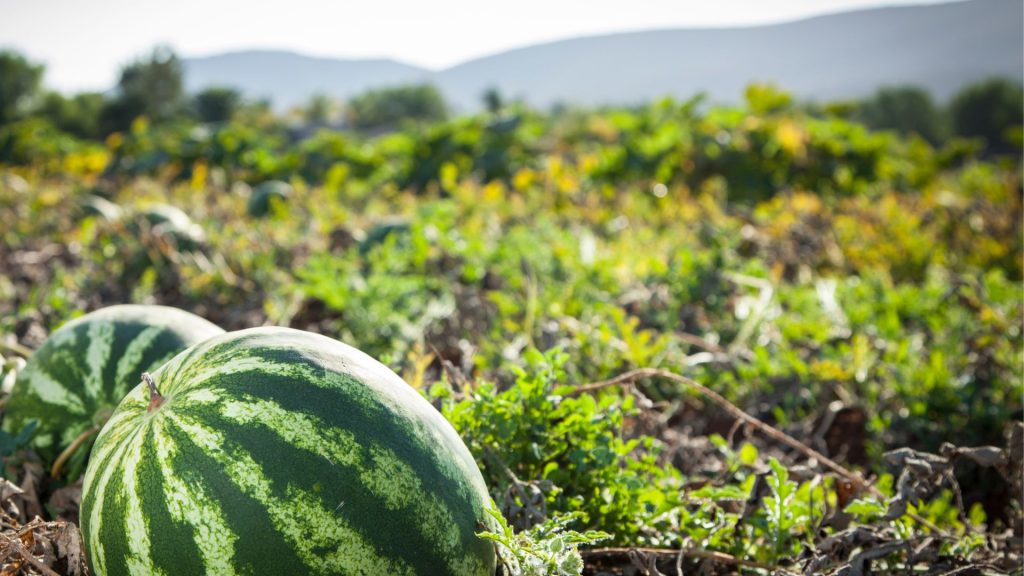
Watermelons are warm-weather plants that need plenty of sunlight, warmth, and space to grow. To maximize your harvest, make sure you’re setting your watermelons up for success by providing the perfect growing conditions.
Optimal growing conditions:
- Sunlight: Watermelons need at least 8 hours of direct sunlight each day to thrive. The more sunlight they get, the more energy they can produce for bigger melons.
- Temperature: These heat-loving plants grow best in temperatures between 70-90°F (21-32°C). Avoid planting too early in the spring, as frost can damage young watermelon plants. Wait until the soil temperature reaches at least 65°F (18°C) before planting.
- Soil: Watermelons prefer well-draining, sandy loam soil rich in organic matter. They like a slightly acidic soil pH between 6.0-6.8. Test your soil before planting to ensure it’s in the right range.
- Space: Watermelon vines can spread 6-10 feet wide, depending on the variety. Give them plenty of space to grow by planting them 36-42 inches apart. If you’re growing in raised beds or containers, make sure the space is deep enough to accommodate the roots.
3. Watering: Keep It Consistent
Consistent and proper watering is key to a successful watermelon harvest. Watermelons need a lot of moisture, especially during the growing and fruit-setting stages. However, you also need to avoid overwatering, as this can lead to root rot and other issues.
Watering tips for watermelons:
- Water deeply: Water watermelons deeply to ensure the roots get the moisture they need. Aim for 1-1.5 inches of water per week, depending on weather conditions.
- Avoid overhead watering: Water at the base of the plant to avoid wetting the leaves, which can lead to disease problems like mildew or rot.
- Water in the morning: Watering early in the day helps prevent moisture from sitting on the plant overnight, reducing the risk of fungal infections.
4. Use Mulch to Retain Moisture and Prevent Weeds
Mulching around your watermelon plants is a great way to conserve moisture, regulate soil temperature, and prevent weed growth, which can compete for nutrients. A 2-3 inch layer of organic mulch, such as straw, grass clippings, or leaves, is ideal for watermelon plants.
Benefits of mulching:
- Moisture retention: Mulch helps keep the soil consistently moist, reducing the need for frequent watering.
- Weed suppression: By covering the soil around the plants, mulch prevents weeds from sprouting and competing with your watermelons for nutrients.
- Soil temperature regulation: Mulch helps keep the soil cool in hot weather, which is especially important for watermelon plants that thrive in warm soil.
5. Fertilize for Healthy Growth and Bigger Fruit
Watermelons are heavy feeders that require a lot of nutrients, especially nitrogen, phosphorus, and potassium, to produce large, healthy fruit. While you can start with compost or well-rotted manure to enrich the soil before planting, regular fertilization is key to maximizing your watermelon harvest.
Fertilizing tips:
- Use balanced fertilizer: Watermelons benefit from a balanced fertilizer with equal amounts of nitrogen, phosphorus, and potassium (e.g., a 10-10-10 formula) for overall healthy growth.
- Side-dress with compost: Once the plants begin to grow, apply a layer of compost or organic fertilizer around the base to encourage strong, healthy vines.
- Switch to a low-nitrogen fertilizer once fruit starts to develop: Too much nitrogen at this stage can encourage vine growth instead of fruit production. Focus on a fertilizer that’s higher in potassium and phosphorus to promote fruit development.
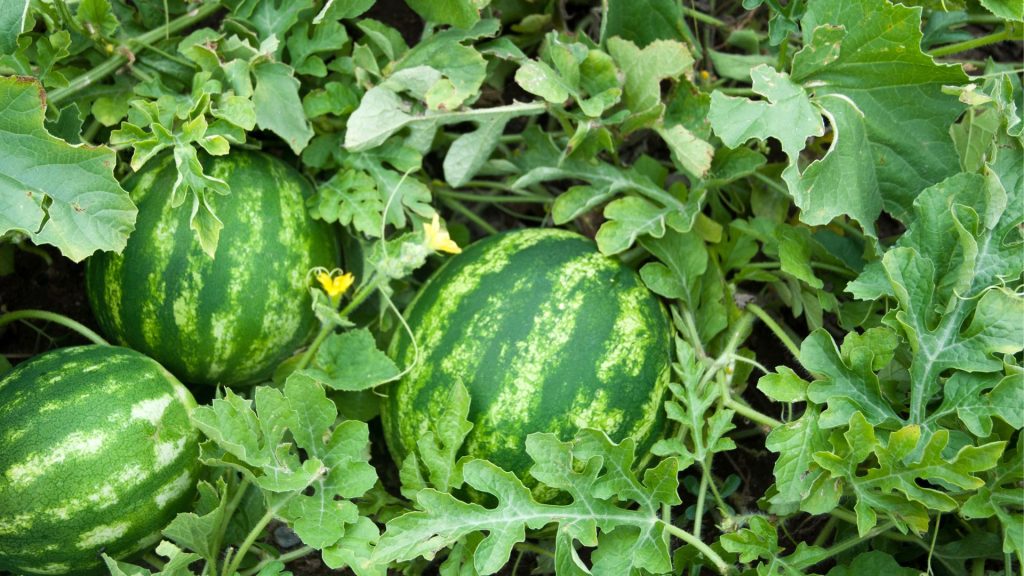
6. Prune and Train Your Watermelon Vines
Watermelon vines can get out of control quickly, but pruning and training them can help maximize your harvest. Pruning will allow the plant to focus its energy on growing larger fruit, rather than producing excessive vine growth.
Pruning and training tips:
- Pinch back the growing tips: Once your watermelon vines reach 6-8 feet long, pinch back the growing tips to encourage lateral growth and limit the size of the plant.
- Remove excess fruit: If multiple melons are developing on a single vine, remove the smaller, weaker ones to allow the larger ones to grow. This will give the remaining melons more energy and space to develop.
- Train vines along a trellis (optional): For gardeners with limited space, training vines vertically on a trellis can save room while maximizing air circulation and light exposure. Just make sure your watermelon variety is suitable for trellising (smaller melons are better for this technique).
7. Pollination: Don’t Let Your Melons Miss Their Match
Watermelons are usually pollinated by bees, but if you’re growing indoors or in a location with fewer pollinators, you may need to take matters into your own hands. You can easily pollinate watermelon flowers by gently transferring pollen from the male flower to the female flower using a small paintbrush or cotton swab.
Pollination tips:
- Male flowers: These flowers usually bloom first and have thin, long stems.
- Female flowers: These flowers have a small swelling at the base (the future melon) and are ready for pollination.
- Hand pollination: Gently swipe the paintbrush or cotton swab into the male flower’s pollen and transfer it to the female flower’s stigma to ensure pollination.

8. Harvest at the Right Time
The key to a successful watermelon harvest is knowing when to pick it. Harvesting too early or too late can result in underdeveloped or overripe fruit. Watermelons are typically ready to harvest when they reach their full size, and the skin has hardened and become dull.
How to know when your watermelon is ready:
- Thump test: Give the watermelon a gentle thump. If it sounds hollow, it’s a sign the melon is ripe.
- Check the ground spot: The bottom of the melon, where it sits on the ground, should have a yellowish or creamy color.
- Check the tendril: The tendril closest to the watermelon should be dry and brown when the melon is ready to harvest.
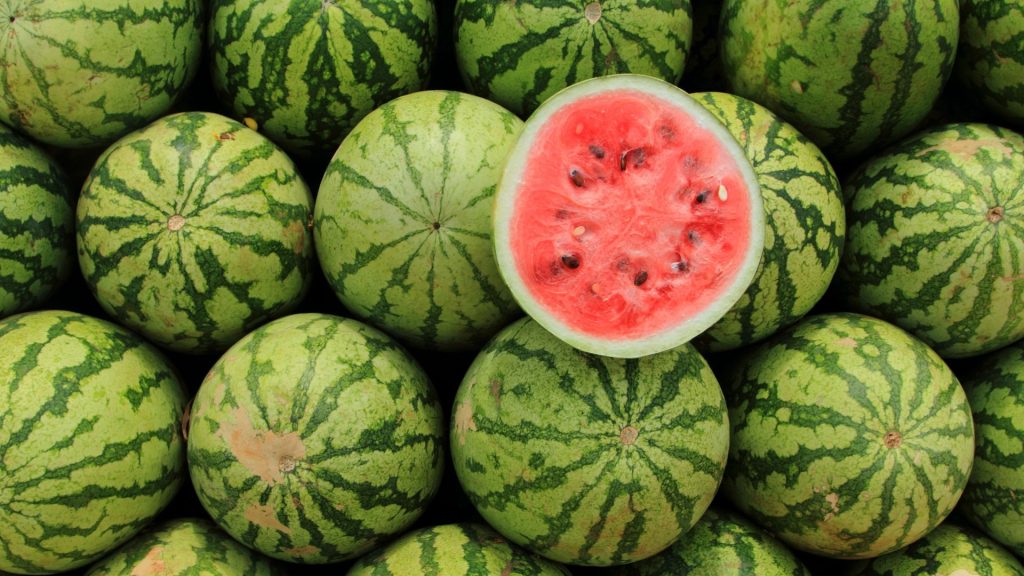
Enjoy a Bountiful Watermelon Harvest!
Maximizing your watermelon harvest takes a little effort, but with the right care, you can enjoy a bountiful crop of delicious, homegrown watermelons. From choosing the right variety to properly fertilizing and watering your plants, these tips will help you grow the biggest, juiciest melons on the block.
Have you grown watermelons before? What tips do you have for getting a great harvest? Or if you’re growing them this season, what challenges are you facing? Let’s chat in the comments below!


