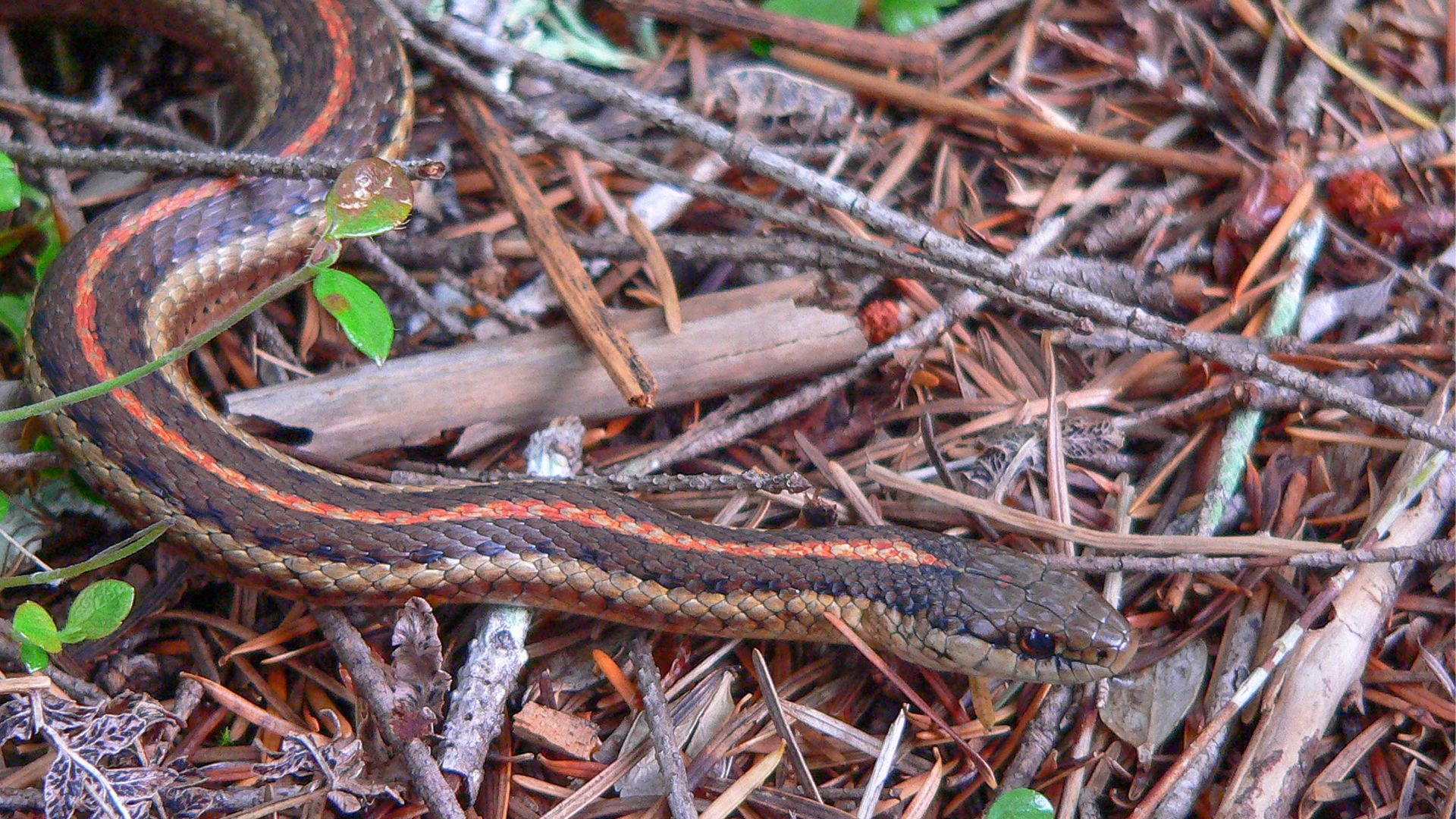
How to Keep Your Garden Snake-Free: The Best Natural Deterrents
There’s something about snakes slithering through your yard that can make even the most seasoned gardeners nervous. Whether you’ve spotted a snake or just want to take proactive steps to avoid an encounter, there’s no need to panic. There are many natural, safe, and effective ways to keep snakes out of your yard, without resorting to harsh chemicals or harmful methods. In this guide, we’ll dive into how to keep your yard snake-free while maintaining a healthy, thriving garden.
Why Do Snakes Visit Yards?
Before we explore how to keep snakes out of your garden, let’s take a moment to understand why they might be drawn to your yard in the first place.
- Food Supply: Snakes are carnivores, and your yard may have an abundance of small creatures, such as rodents, frogs, and insects, which attract snakes seeking their next meal.
- Shelter: Snakes like to hide in cool, dark, and damp places during the day. If your yard has dense vegetation, piles of leaves, wood, or rocks, these could serve as perfect hiding spots for snakes.
- Water Sources: Snakes also need water, and if you have a pond, birdbath, or even damp spots in your garden, these can draw them in.
- Warmth: Some snakes are more active during the warmer months, so your yard may attract them if it offers plenty of sunbathing opportunities.
Now that we have an idea of why snakes may visit, let’s take a look at some natural solutions to keep them at bay.
1. Eliminate Food Sources
The first step in making your yard less attractive to snakes is to remove the things that attract them in the first place—specifically, their food sources. Here’s what you can do:
- Control Rodents: Snakes love rodents, so it’s important to keep their population under control. Make sure your garden is free of food scraps, pet food, and birdseed, as these can attract mice, rats, and other small animals. If you have a compost bin, ensure it’s properly covered and sealed to keep critters out.
- Keep Bugs at Bay: Snakes also eat insects, particularly crickets and grasshoppers. By using natural insect repellents like neem oil or garlic sprays, you can minimize their food sources, which will help make your garden less appealing to snakes.

2. Use Natural Snake Repellents
While there are many commercial snake repellents available, they often contain harsh chemicals that can harm the environment and local wildlife. Thankfully, there are plenty of natural repellents that are both safe for your garden and effective at keeping snakes at bay.
- Essential Oils: Snakes dislike certain strong smells, and essential oils like cinnamon, clove, and eucalyptus are known to deter them. Mix a few drops of your chosen essential oil with water in a spray bottle and apply it around the perimeter of your garden, particularly near entry points and areas where you’ve seen snakes.
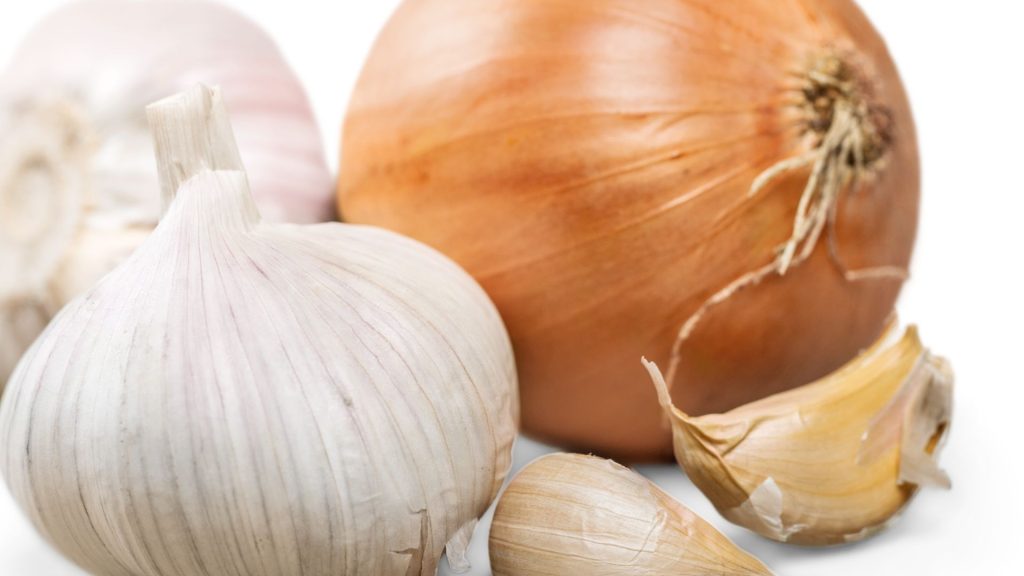
- Garlic and Onions: Snakes are repelled by the pungent odor of garlic and onions. You can crush a few cloves of garlic or onions and sprinkle them around your garden or make a spray by steeping garlic in water and using it to treat areas where snakes may enter.
- Cedarwood Chips: Snakes don’t like the strong scent of cedar, and using cedarwood chips around the garden’s perimeter or near entryways can act as a deterrent.
- Vinegar: This is another natural snake repellent that can be applied around your garden. It works due to its strong smell, which snakes find unpleasant. Mix vinegar with water and spray it along the garden’s edges.
3. Make Your Yard Less Inviting
A well-maintained yard is less likely to attract snakes. Here are some tips for keeping your garden neat and tidy:
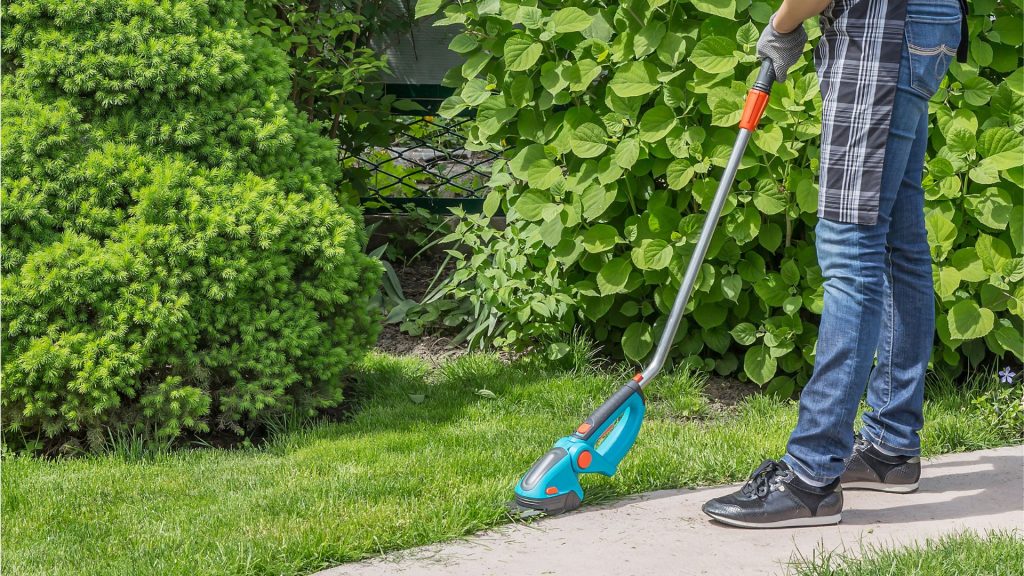
- Trim Vegetation: Snakes like to hide in tall grasses, shrubs, and weeds. Keep your lawn mowed short and trim any overgrown plants. Make sure bushes and shrubs are cut back to prevent hiding spots for snakes.
- Remove Piles of Debris: Piles of leaves, wood, stones, or other debris are perfect shelters for snakes. Keep your yard clean by removing these potential hideouts regularly.
- Seal Gaps and Holes: Snakes can easily slither into your home or garden shed through small gaps or holes. Inspect the foundation of your home, fences, and any structures for potential entry points and seal them up with caulking or mesh.
- Create Snake-Free Zones: Create clear paths or gravel walkways in your garden, as snakes dislike crossing hard surfaces. You can use these pathways to prevent snakes from slithering freely through your yard.
4. Use Physical Barriers
While snakes can squeeze through surprisingly narrow spaces, physical barriers can still help keep them out of certain areas of your garden. Here are some ways to deter them with barriers:
- Snake Fencing: Install a fine mesh or wire fence around the garden or specific areas you want to protect. Make sure the fence is buried several inches into the ground to prevent snakes from crawling underneath it. The fence should also be tall enough (at least 3 feet) to deter snakes from climbing over it.
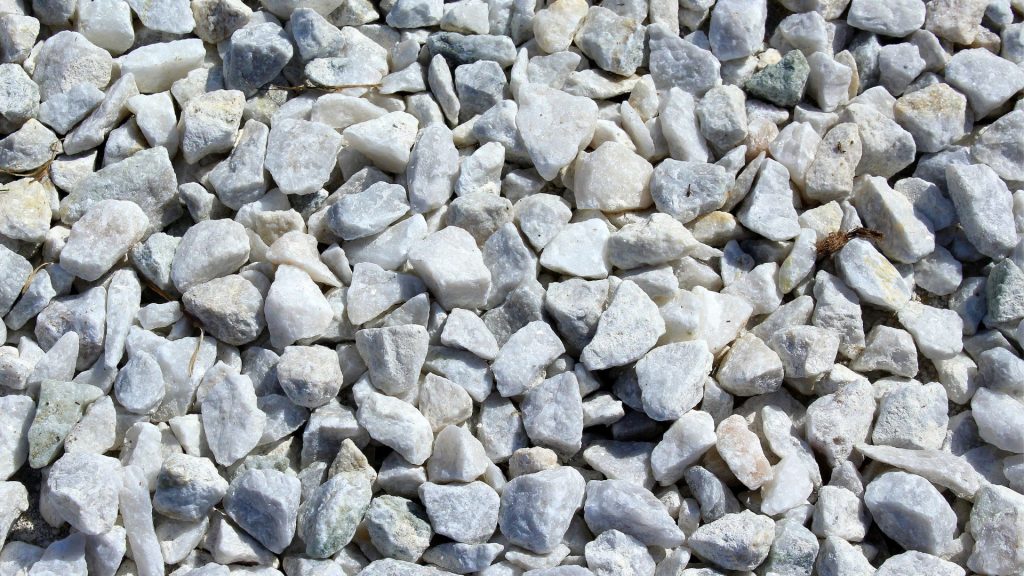
- Gravel or Sharp Mulch: Snakes find it difficult to slither over sharp or uncomfortable surfaces. Consider adding a layer of gravel or sharp mulch around the base of your garden beds, or even around the perimeter of your yard, to create an unappealing surface for snakes.
5. Use Natural Predators
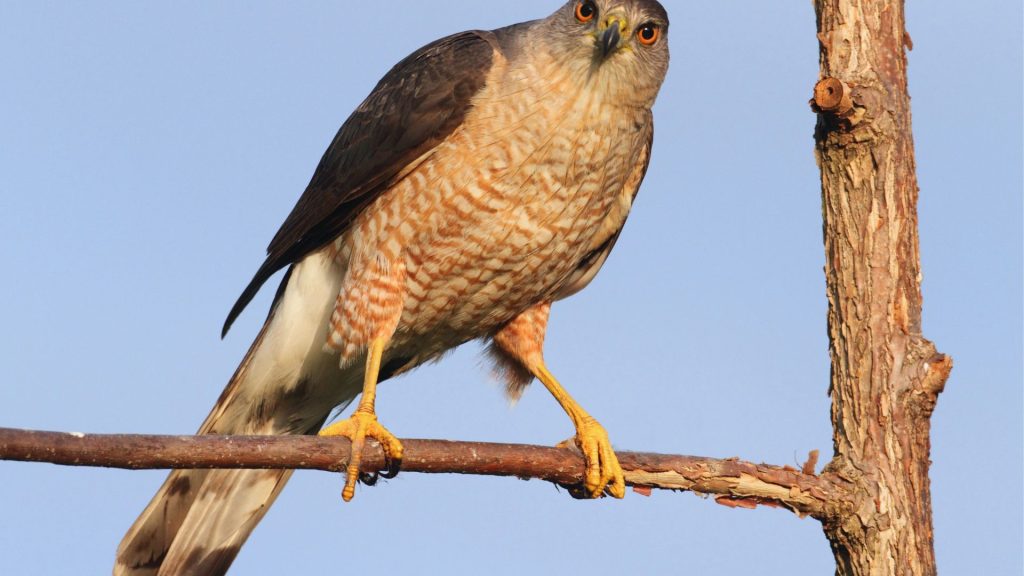
Encouraging natural predators of snakes can help keep their numbers in check. Many animals, such as hawks, owls, and even some mammals, hunt snakes. Here’s how you can attract these natural snake controllers:
- Install Birdhouses or Nesting Boxes: Birds of prey, such as hawks and owls, can help keep your garden’s snake population down. Install birdhouses or nesting boxes to attract these birds to your garden.
- Encourage Foxes or Coyotes: These predators can help keep snakes away. While it might be difficult to attract them directly, providing shelter and food sources (like bird feeders) can indirectly encourage these animals to visit.
6. Create a Snake-Proof Yard with Raised Garden Beds
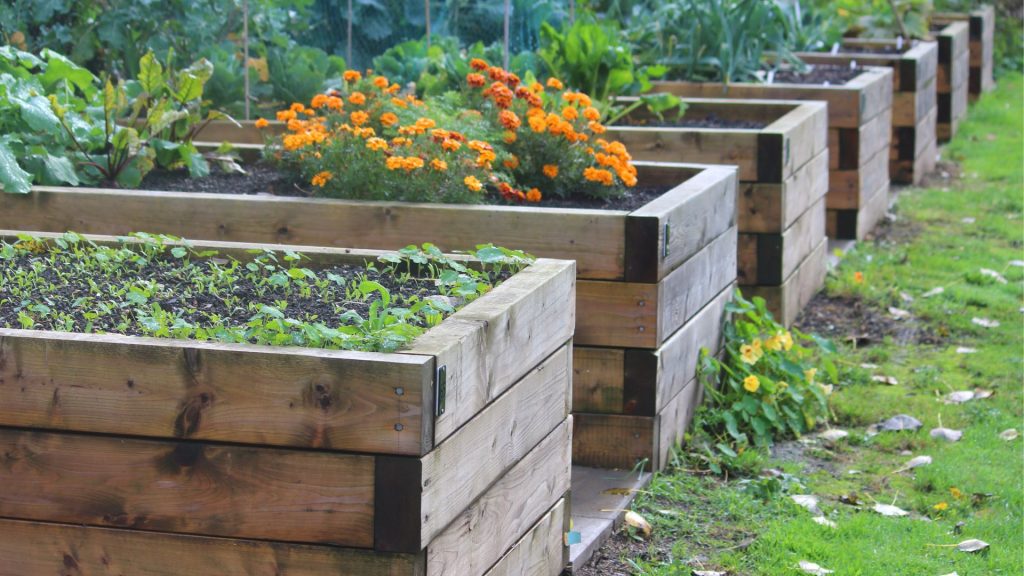
Another great way to keep snakes away from your plants is to use raised garden beds. Snakes typically prefer to stay on the ground and avoid areas that are elevated. By gardening in raised beds, you can minimize the risk of snake encounters, and it makes it more difficult for them to access your plants.
7. Remove Water Sources
As we mentioned earlier, snakes need water, and your yard could be a draw if you have ponds, birdbaths, or standing water. To make your yard less attractive to snakes:
- Fix Leaks: Ensure there are no leaky hoses, pipes, or faucets.
- Empty Standing Water: Regularly empty birdbaths and any other containers that collect rainwater.
- Use Drainage Systems: If you have areas where water collects, install proper drainage to prevent puddles from forming.

My Sunny Thoughts
Getting rid of snakes in your garden doesn’t have to be complicated or harmful to your plants, pets, or the environment. By using natural methods such as repellents, eliminating food sources, and maintaining a clean yard, you can enjoy a snake-free garden while keeping your outdoor space healthy and beautiful.
Remember that prevention is key when it comes to keeping snakes away. By taking these proactive steps, you can minimize the chances of encountering a snake and create a space that’s safe for both you and your plants.