How to Build a Simple DIY Bat House for Your Backyard
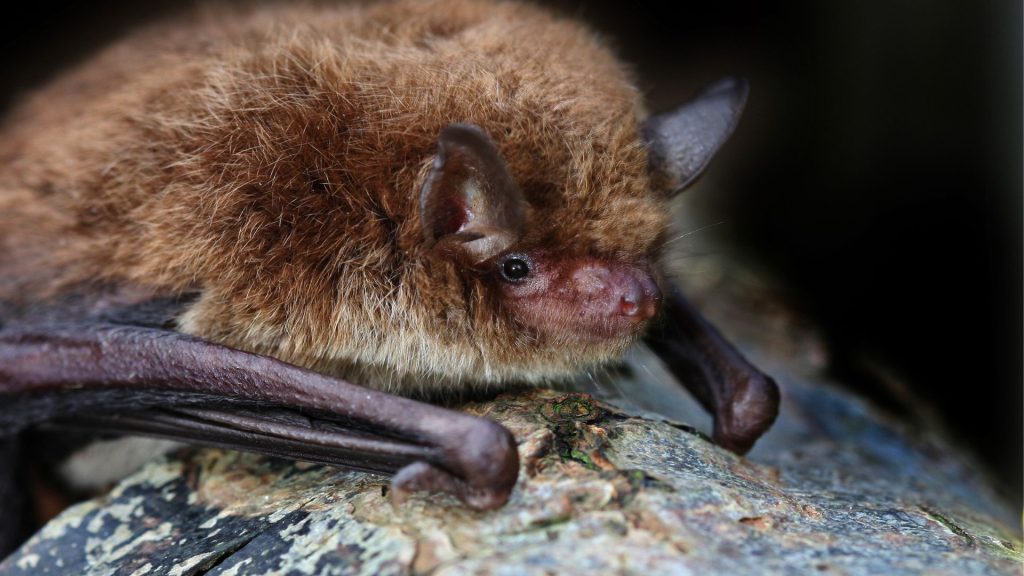
Bats are often misunderstood creatures, unfairly feared or dismissed. However, these nocturnal animals play an essential role in our ecosystems, especially in controlling insect populations. Building a bat house is a wonderful way to help provide bats with a safe space to roost, all while benefiting your garden and the environment. But like any project, creating a bat house comes with its own set of benefits and challenges.
In this blog post, we’ll walk you through everything you need to know about making a bat house: from the benefits bats bring to your yard, the necessary materials, and how to build your own bat house, to the potential challenges. Whether you’re an experienced DIY enthusiast or a beginner looking to make a difference for local wildlife, this guide will help you every step of the way.
The Importance of Bats: Why You Should Build a Bat House
Before we jump into the “how-to” of building a bat house, let’s take a closer look at why bats are so beneficial. These creatures may have a reputation for being creepy or scary, but they’re actually fascinating animals that do much more good than most people realize.
1. Natural Pest Control
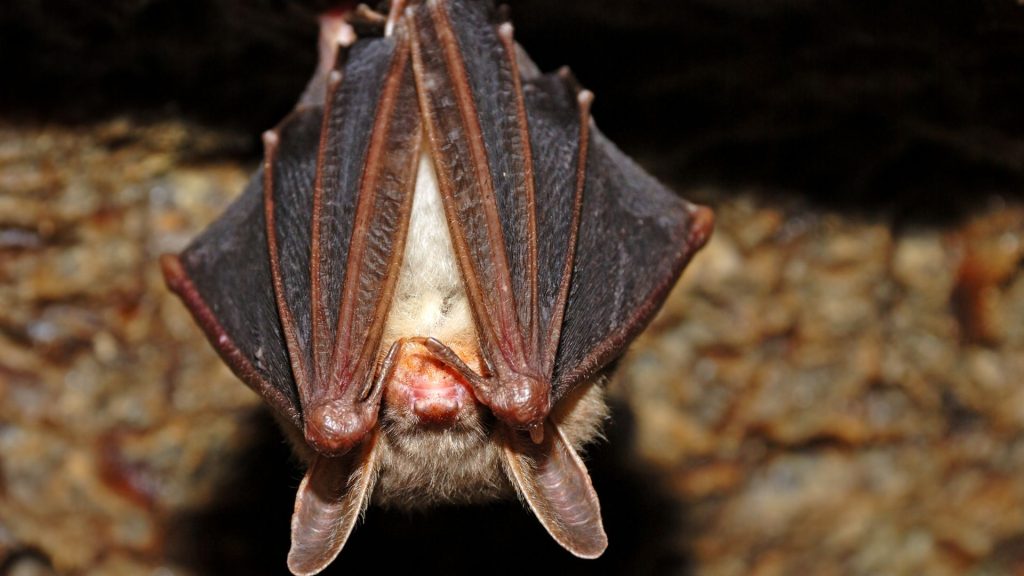
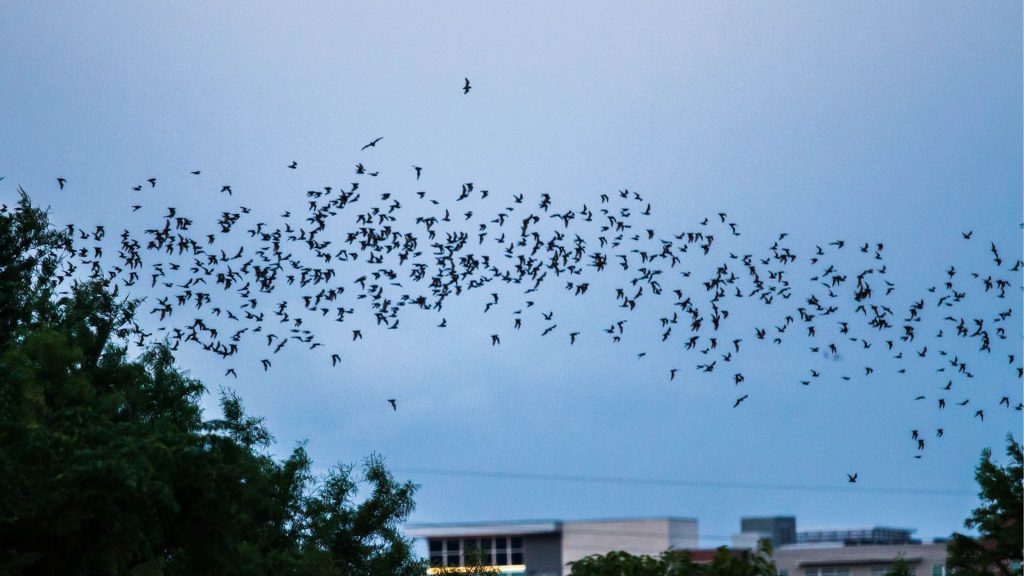
Bats are nature’s very own insect control agents. A single bat can consume up to 1,000 mosquitoes, moths, and other flying insects in just one hour! This makes them incredibly effective at keeping pest populations in check, especially in areas plagued by mosquitoes. By having bats around, you won’t need to rely on chemical pesticides to control bugs in your yard, making your garden healthier and more eco-friendly.
2. Pollination and Seed Dispersal
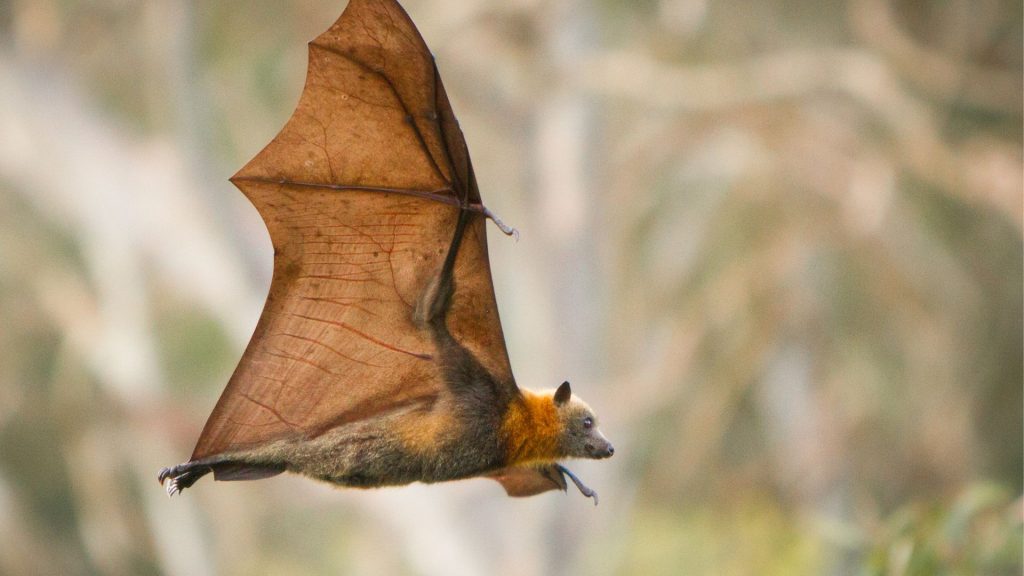
While some species of bats specialize in eating insects, others are vital for pollination and seed dispersal. In many parts of the world, fruit-eating bats are responsible for pollinating flowers and spreading seeds of various plants, including bananas, mangoes, and agave plants. Even in temperate regions, bats help pollinate plants like night-blooming flowers.
3. Aiding in the Ecosystem
Bats are an important link in the food chain. They are a food source for many predators, such as hawks, owls, and snakes. By attracting bats to your garden, you are helping maintain the delicate balance of local ecosystems.
4. Reducing the Need for Pesticides
As mentioned earlier, bats are natural pest control agents. This means that by having bats in your garden, you reduce the need for harmful chemical pesticides. This not only helps protect your plants and the environment but also encourages a healthier, more sustainable garden.
Benefits of Building a Bat House
1. Encourages Local Wildlife
Creating a bat house provides a safe space for local bat species to roost and raise their young. In urban areas where natural habitats are being destroyed, a bat house offers a much-needed refuge. Building a bat house contributes to the preservation of these important creatures and supports local wildlife conservation efforts.
2. A Natural Solution to Insect Problems
As we discussed, bats are fantastic natural insect control agents. Building a bat house can help you keep your garden free from mosquitoes, moths, and other pests that may harm your plants. If you live in an area where mosquitoes are a concern, having bats around can be a huge benefit.
3. Educational Opportunity for Kids
Building a bat house with your children can be a fun, educational project. It’s a great way to teach them about wildlife conservation, biodiversity, and the role that bats play in the ecosystem. Plus, watching bats come to your house at night will be a magical experience for kids and adults alike!
4. Minimal Maintenance
Once your bat house is installed and the bats move in, there is very little upkeep required. Bats are low-maintenance residents, and once they’re in place, they’ll likely return to the same spot each year. Simply ensure that the house is clean and well-maintained, and it will continue to serve its purpose for years to come.
How to Build a Bat House: Step-by-Step
Now that you know the benefits, it’s time to learn how to make a bat house! Below is a simple step-by-step guide for building your own bat house that will attract local bats to your yard.
Materials You’ll Need:
- 1-inch thick wood (e.g., cedar or pine) for the body of the house
- A saw for cutting the wood
- A drill with a 3/8-inch bit for creating ventilation and entry holes
- Wood screws
- Sandpaper for smoothing rough edges
- Measuring tape and pencil for accuracy
- A hammer or screwdriver for assembly
- Wood glue for extra stability (optional)
- Waterproof exterior paint (optional)
Step 1: Choose the Right Location
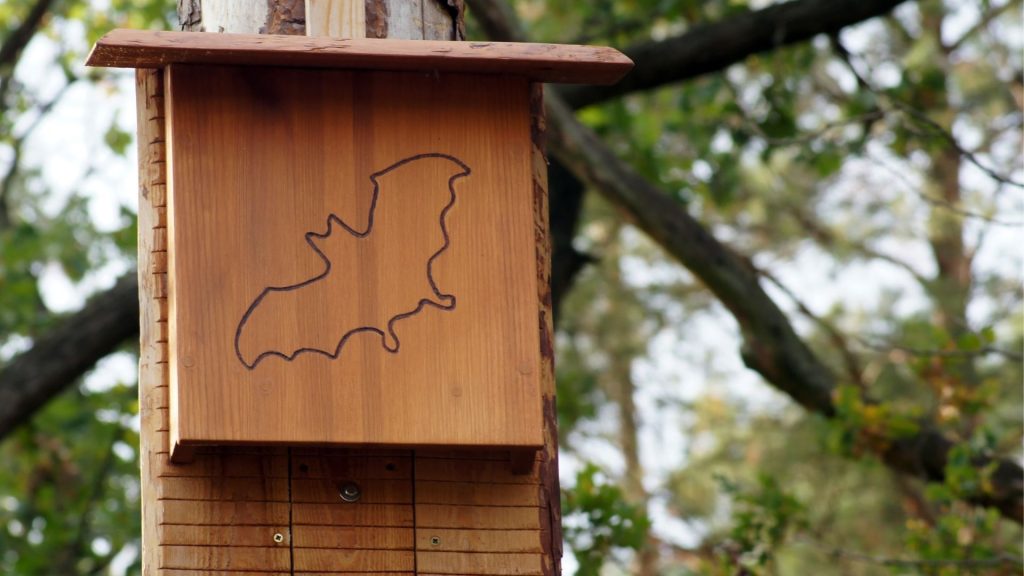
Before you start building, it’s important to choose the perfect spot to mount your bat house. Ideally, it should be located in a quiet, sheltered area away from heavy foot traffic. Mount the bat house at least 10-15 feet off the ground to keep it safe from predators like cats and raccoons. The house should face south or southeast to capture the morning sun and stay warm in the cooler months.
Step 2: Cut the Pieces
Using the saw, cut your pieces of wood to size. You’ll need to create:
- One back piece (about 24-30 inches long)
- Two side pieces (about 12-15 inches long)
- One bottom piece (about 10-12 inches long)
- One roof piece (about 12-15 inches long)
- Small slats to create roosting space (about ¾ inch in width)
Step 3: Assemble the Bat House
Start by attaching the back, sides, and bottom pieces together. Use wood screws to secure the joints, making sure everything is tightly in place. If you’re using wood glue, apply it at the joints before screwing them together for extra stability.
Step 4: Add the Roosting Slats
On the inside of the bat house, you need to add slats to provide roosting space for the bats. These can be small slats of wood, spaced about ½ inch apart. These slats will provide bats with a place to hang and roost.
Step 5: Drill Ventilation and Entry Holes
To make the house more inviting for bats, drill several small holes (about 3/8 inch in diameter) near the top for ventilation and entry. You can also drill a few holes at the base of the house to help with airflow and prevent humidity from building up.
Step 6: Paint and Finish (Optional)
If you’d like, you can paint the outside of the bat house with waterproof exterior paint to protect it from the elements. Avoid using dark colors, as bats prefer cooler environments. Light greens, grays, or natural wood tones are ideal.
Step 7: Mount the Bat House
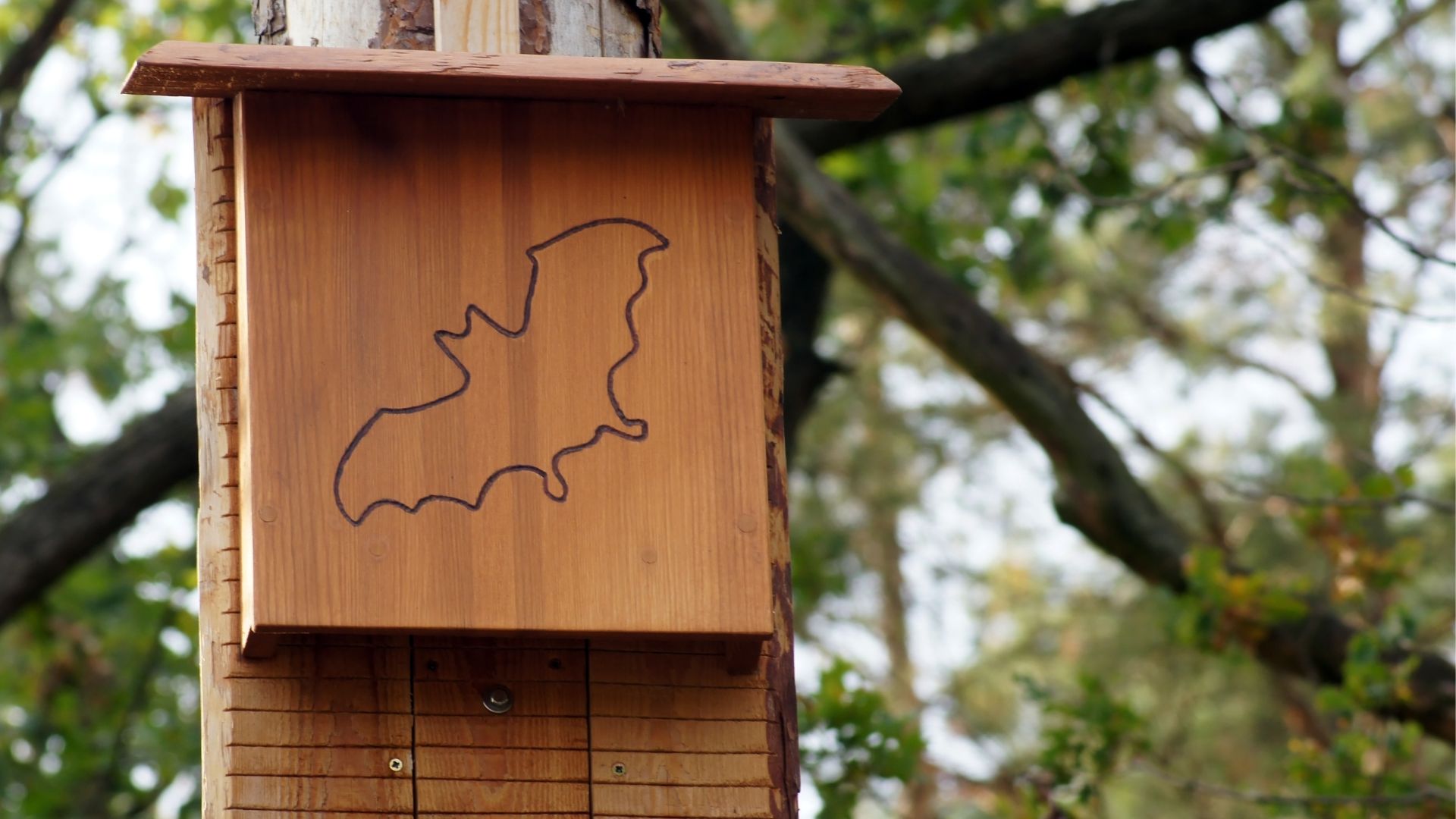
Once your bat house is assembled, mount it securely in the chosen location. Make sure it is elevated at least 10 feet off the ground to ensure safety. Use screws or a sturdy mounting bracket to attach it to a tree, pole, or wall.
Challenges and Considerations
While building a bat house is a great way to support local wildlife, there are a few challenges to consider:
1. Attracting Bats Takes Time
It may take some time before bats discover and occupy your new bat house. Sometimes, it can take a season or two before bats start roosting, so be patient.
2. Predators
Bats have natural predators like owls and hawks. Ensure your bat house is high enough and protected from predators, especially if you live in an area with lots of birds of prey.
3. Maintenance
Although bat houses are generally low-maintenance, you may need to clean them occasionally. You should clean out old bat droppings and check for damage after each season.
4. Location
The bat house’s location is key to attracting bats. If it’s too close to human activity or pets, bats might avoid it. Make sure it’s placed in a quiet, safe area with access to both shelter and sunlight.
A Bat House Worth Building
Building a bat house is a rewarding project that can have numerous benefits for your garden and local wildlife. By providing bats with a safe place to roost, you’re helping to promote natural pest control, support pollination, and contribute to biodiversity in your area. While the process of attracting bats to the house may take time and patience, the results will be worth it as you watch your garden thrive, free from harmful pests.
Are you ready to build your own bat house? What other wildlife-friendly projects have you completed in your garden? Share your thoughts, tips, or experiences in the comments below—we’d love to hear from you!