
Creating the Perfect Pet-Friendly Garden: A Guide for Animal Lovers
If you’re a pet owner, you understand that your furry friends are more than just companions – they’re part of the family! As a pet parent, it’s important to provide a space that not only nurtures your love of gardening but also keeps your pets safe, happy, and healthy. Creating the perfect pet-friendly garden requires a blend of thoughtful planning, safety precautions, and some creativity to ensure your pets can enjoy the outdoors alongside you.
Whether you have a playful pup, curious cat, or even a bunny hopping around, designing a pet-friendly garden is a rewarding and enjoyable project. In this blog post, we’ll share some tips and tricks to help you create a garden that’s safe, secure, and fun for both you and your pets.
1. Start with Safe Plants
One of the most crucial factors in creating a pet-friendly garden is choosing safe plants. Many common garden plants can be toxic to pets, including lilies, azaleas, and certain ivy varieties. Before you start planting, research any potential dangers and avoid plants that could harm your furry friends.
Here are some pet-safe plant options to consider for your garden:
- Marigolds: These bright, cheerful flowers are non-toxic to dogs and cats.
- Sunflowers: A tall and vibrant choice, sunflowers are safe for both pets and humans.
- Basil: Not only a pet-friendly herb, but also one that adds a wonderful fragrance to your garden.
- Spider Plants: These trendy indoor plants are also safe for your pets to nibble on.
- Petunias: These colorful flowers are harmless to cats and dogs and can add a pop of color to your garden.
If you’re not sure whether a specific plant is safe for your pets, be sure to consult online resources or speak with your local garden center. Additionally, it’s always best to plant anything that could potentially attract your pet’s curiosity in areas that are harder for them to reach.

2. Fencing and Boundaries
Pets, especially dogs, love to explore! That said, it’s essential to create secure boundaries around your garden to keep them from running off or getting into areas they shouldn’t. Fencing is a key element of a pet-friendly garden. However, the type of fence you choose depends on the size and agility of your pet.
- For dogs: A strong, high fence (at least 4-6 feet tall) is essential to keep them from wandering out of the garden. Ensure there are no gaps or spaces where they could slip through. Solid fences are ideal for dogs who may be prone to digging, as they prevent them from burrowing under.
- For cats: Cats are known for scaling tall objects, so if you’re creating a garden for a feline friend, opt for a fence that has an overhang or use “cat-proof” mesh that prevents them from climbing out. Alternatively, creating a secure outdoor enclosure (also called a “catio”) is a great solution.
- For smaller pets (rabbits, guinea pigs, etc.): If you have smaller pets that you want to roam free in the garden, ensure that the fencing is small enough to prevent them from squeezing through. You might want to create a special “pet zone” with an enclosed area or pen where they can safely graze or explore.
3. Create Shade and Cooling Areas
Just like humans, pets need relief from the sun on hot days. If your garden doesn’t provide enough shade, consider adding elements like pergolas, large trees, or shade cloths to give your pets a cool retreat. Dogs, especially, can overheat quickly, so having shaded areas with fresh water is important.
Pet-Friendly Shade Ideas:
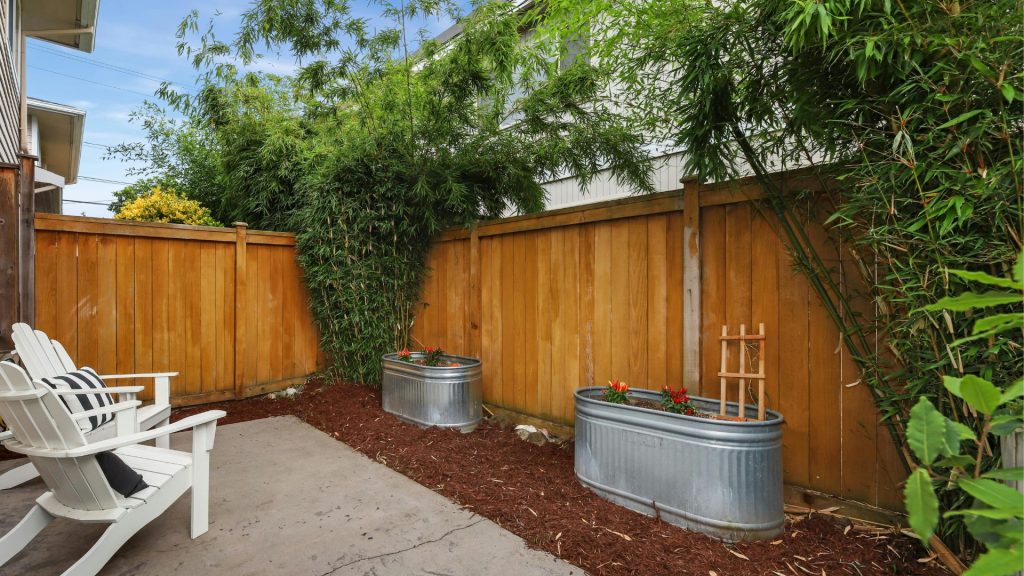
- Dog Houses: A cozy dog house not only gives your pup a place to rest but also provides shelter from the sun.
- Shade Trees: Trees like oak, maple, or willow provide natural shade and a peaceful spot for your pets to relax.
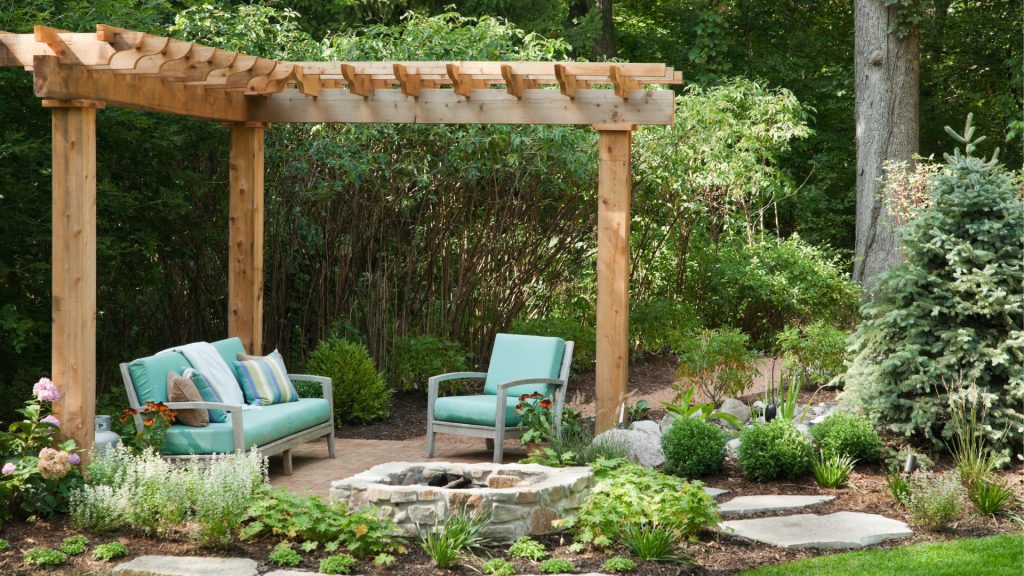
- Pergolas: These outdoor structures can provide both shade and a stylish addition to your garden.
- Umbrella or Shade Cloth: An easy-to-install solution that gives your pets a break from the sun.
Having shaded areas in your garden is not just about comfort—it’s also a safety issue. Pets are at risk for heatstroke if they don’t have a cool place to rest, especially during the summer months.
4. Pet-Safe Paths and Surfaces
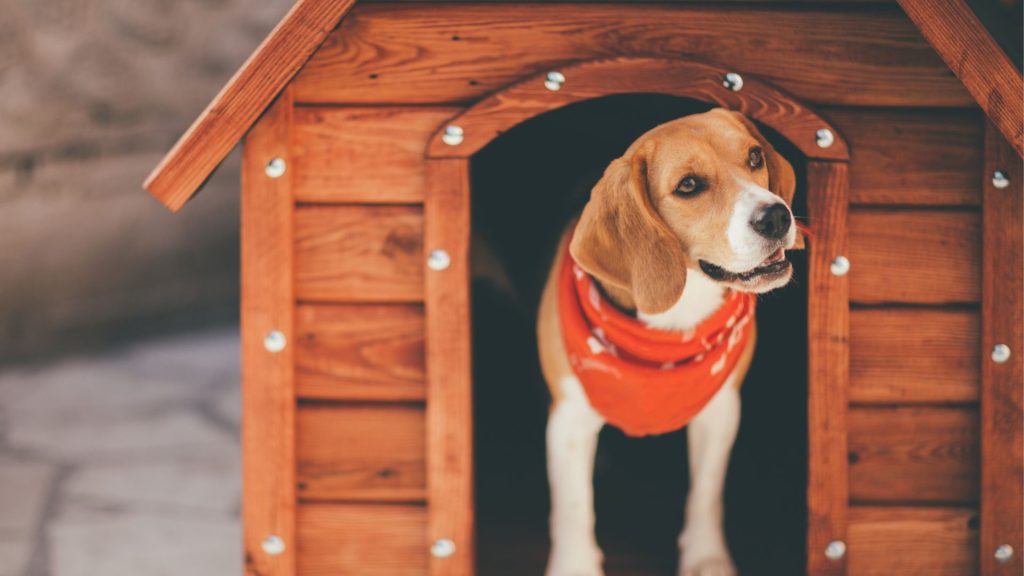
When designing a pet-friendly garden, it’s important to think about the surfaces that your pets will be walking on. Some materials can be hard on your pet’s paws, while others could be harmful if ingested. Here’s a guide to creating safe paths:
- Soft grass: A lush green lawn is always a favorite for pets, especially dogs who love to roll around. Ensure the grass is free of pesticides or chemicals that can harm pets.
- Rubber or gravel paths: If you’re looking for non-grassy paths, rubber mulch or pea gravel can be good alternatives. These surfaces are soft on paws and are easy to maintain.
- Pebble or stone paths: For a more rustic or modern look, small pebbles or flagstones make great paths for pets to wander along. Just ensure the stones are smooth and not too large to be uncomfortable.
- Avoid sharp or sticky surfaces: Materials like sharp gravel, rocks, or tacky concrete can irritate your pet’s paws and are best avoided.

5. Create a Pet-Friendly Digging Zone
Dogs, in particular, love to dig, which can sometimes lead to frustration when they start digging up the garden beds. One way to turn this behavior into something positive is by creating a designated digging zone. This can be an area where dogs are allowed to dig freely without ruining your flower beds.
How to Create a Digging Zone:
- Sandpit: Create a sand area where your dog can dig to their heart’s content. You can bury some toys or treats to encourage them to use this space.
- Mulch or Soil Bed: A section of soft mulch or soil will give your pet a designated area to explore and dig. Adding some buried objects or toys can make this a fun activity for your pup.
Not only will this save your garden beds from being destroyed, but it will also provide your dog with hours of fun!

6. Use Pet-Safe Mulch
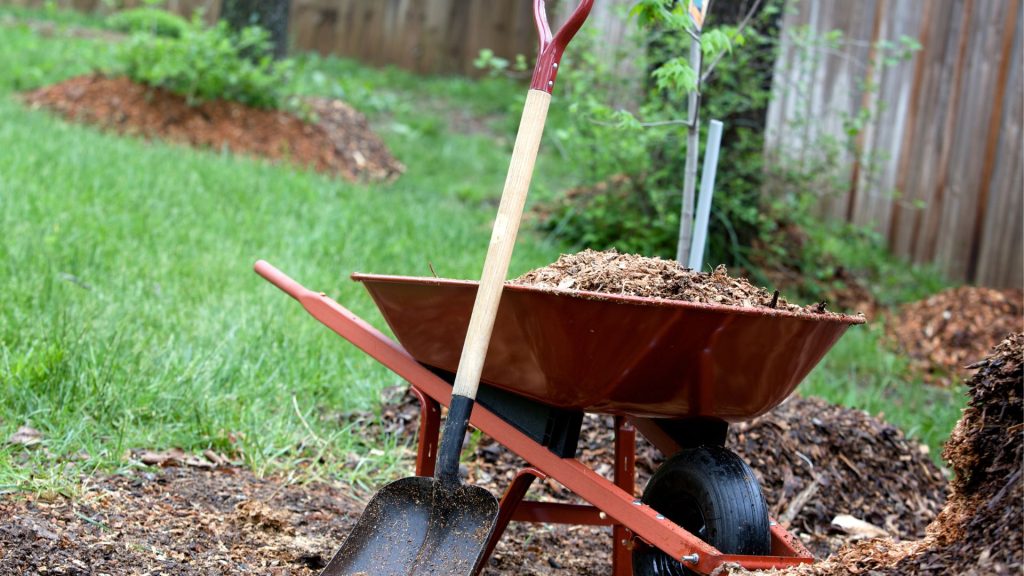
Mulch is often used in gardens to retain moisture, suppress weeds, and provide a neat appearance. However, not all types of mulch are safe for pets. Cocoa bean mulch, for example, contains theobromine, which is toxic to dogs.
Instead, opt for pet-safe mulch options such as:
- Cedar Mulch: It has a pleasant scent and is safe for pets.
- Pine Bark Mulch: Another pet-safe option that works well for gardens and adds a lovely color.
- Rubber Mulch: A more durable option that’s safe for pets and resists breaking down.
If you prefer to use organic mulch, make sure to choose one that is safe for animals and won’t pose any health risks if ingested.
7. Provide Fresh Water
It may seem simple, but providing fresh water is one of the most important things you can do for your pets in your garden. Always make sure there is a clean water source available, especially in warmer weather. Invest in a sturdy, spill-proof bowl that will withstand outdoor use, or consider a self-refilling water station to keep your pets hydrated while they roam.

8. Include Interactive Features
Pets need mental and physical stimulation, so adding interactive elements to your garden will keep them entertained and engaged. Some ideas include:
- Pet-friendly puzzles: Consider adding a pet-friendly maze or puzzle in a section of the garden that encourages pets to solve challenges.
- Tunnels or climbing areas: If you have a cat, you could set up some small climbing structures or tunnels where they can explore.
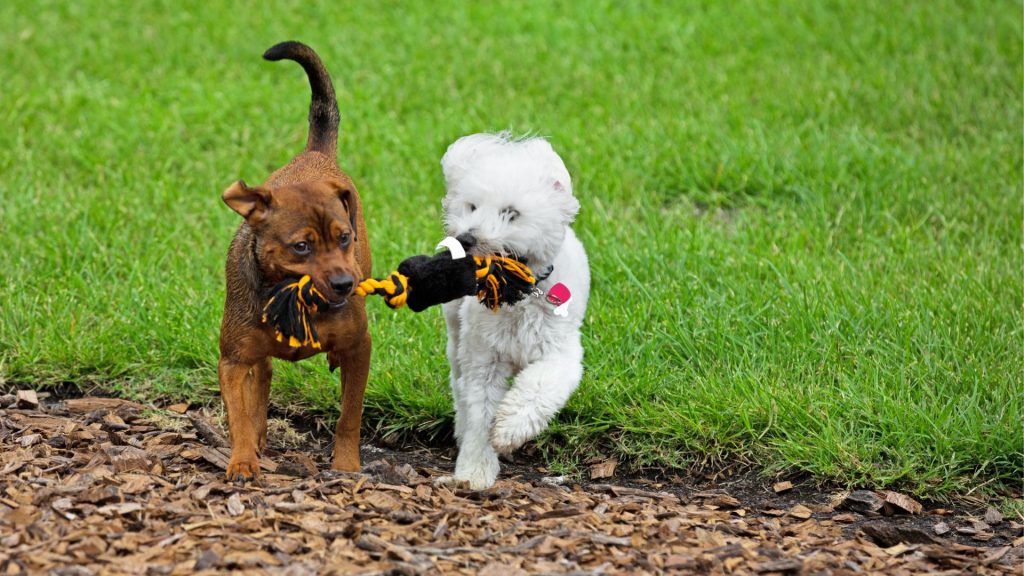
- Toys and fetch areas: Keep some toys or a designated fetch area so your dog can enjoy a little game while in the garden.
By adding these fun elements, you’ll create a garden where your pet feels stimulated and engaged.
9. Incorporate Pet-Friendly Furniture
Adding pet-friendly furniture is a great way to enhance your garden. For example, a bench with storage can provide a comfortable place for you to relax while keeping pet toys and accessories organized. If you have a dog, consider a raised dog bed to keep them off the cold ground and add some comfort during naps in the garden.
A Garden for Both You and Your Pets
Creating the perfect pet-friendly garden is all about balance. It’s about designing a space that caters to your pet’s needs while making sure your garden remains a peaceful and beautiful retreat for you as well. With the right plants, proper fencing, safe paths, and interactive features, you’ll have a garden that both you and your pets can enjoy for years to come.
What are your pets’ favorite things to do in the garden? Share your ideas or experiences in the comments below! We’d love to hear about your pet-friendly garden creations!


