

How to Get Thousands in Funding for Your Small-Scale Backyard Farm
Have you ever dreamed of growing your own food, raising animals, or starting a backyard farm, but didn’t have the resources to make it happen? Well, you’re in luck! You may be able to secure funding through grants to help turn your vision of a backyard farm into reality. The world of agricultural grants can be a bit overwhelming at first, but with a bit of research and guidance, you can tap into thousands of dollars in funding to kick-start your farm, whether you’re growing vegetables, raising livestock, or even planning a small-scale homestead.
In this blog post, we’ll walk you through how you can access grants to fund your backyard farm, the types of grants available, and tips to help you successfully apply for funding.
What Are Grants and Why Are They Important?
Grants are financial awards provided by governments, non-profit organizations, foundations, and corporations to help support specific projects or initiatives. Unlike loans, grants do not need to be repaid, making them an attractive option for those who need financial assistance to bring their ideas to life.
Grants are especially useful for backyard farmers because they can provide the funding needed to:
- Purchase seeds, tools, and equipment
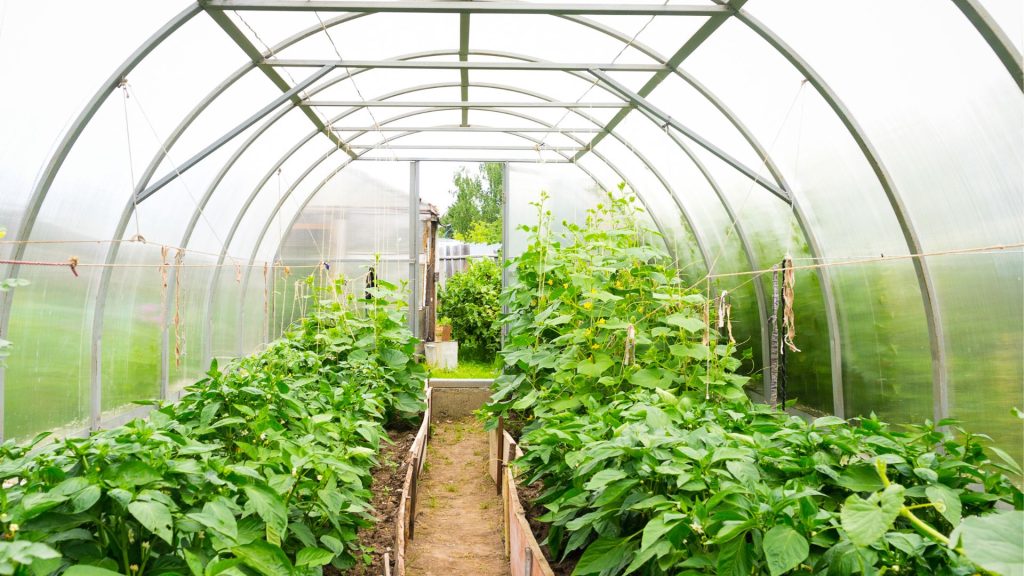
- Build structures like greenhouses, sheds, and barns
- Develop water systems, irrigation, and other infrastructure
- Pay for educational programs or consulting services to expand your farming knowledge
- Start up livestock operations or expand an existing one
There’s one crucial factor to remember: most grants require an application, and while some may be highly competitive, others are specifically geared toward small-scale, sustainable farming efforts like the one you’re planning.
Types of Grants You Can Apply For
- Federal Grants for Agricultural Projects The U.S. government offers several federal grants designed to support agriculture, including backyard farming initiatives. The U.S. Department of Agriculture (USDA) is one of the primary sources of these funds. They offer a variety of grants that target different types of farming and agricultural efforts. For example, USDA’s Sustainable Agriculture Research and Education (SARE) program funds projects focused on sustainability in farming, including backyard and small-scale farms. Some notable USDA grants include:
- Farm to School Grant Program: This initiative helps local farms connect with schools to supply fresh produce. If your backyard farm can produce a surplus of healthy fruits and vegetables, this could be a great option.
- Beginning Farmer and Rancher Development Program (BFRDP): This grant targets those new to farming. If you’re just starting out in the backyard farming world, BFRDP could provide much-needed financial support for your new business.
- Value-Added Producer Grants (VAPG): These grants are for farmers who want to add value to their products, such as turning tomatoes into sauces, or selling homemade cheeses, which can be perfect for backyard farmers with a vision of creating a local market.
- State and Local Agricultural Grants Many states offer agricultural grants through their local departments of agriculture. These grants can be less competitive than federal options, and may focus more on community development and local sustainability. For example, California’s Department of Food and Agriculture runs grant programs supporting farm-to-table efforts and local farm development, which can be highly beneficial to backyard farmers interested in producing locally-sourced food. To find these opportunities, visit your state’s agricultural department website or call local agricultural extension offices for more information about grant programs available in your area.
- Private Foundation Grants There are numerous private foundations that provide grants to support small-scale agriculture, sustainability, and environmental projects. Some foundations specifically focus on improving local food systems and promoting organic, regenerative farming practices.
- The National Sustainable Agriculture Coalition (NSAC): NSAC offers support for sustainable farming projects, and they have a list of funding opportunities on their website.
- The Organic Farming Research Foundation (OFRF): If your backyard farm will focus on organic farming, the OFRF provides grants to support the research and development of organic farming practices.
- The Environmental Protection Agency (EPA): If your farm project includes conservation or sustainable practices, you might be eligible for EPA environmental grants aimed at reducing environmental impacts from farming activities.
- Crowdfunding and Community Grants If you’re looking for a more community-centered approach, crowdfunding platforms like GoFundMe, Kickstarter, or Indiegogo can help you raise money for your backyard farm by reaching out to a broad base of supporters. While not technically “grants,” crowdfunding campaigns allow you to tell your story and receive donations or pledges from individuals interested in supporting your project. Additionally, local community foundations and service clubs, like Rotary Clubs or Lions Clubs, sometimes offer small grants for local sustainability projects. Consider reaching out to these groups to see if there’s an opportunity to fund your backyard farm through a community-driven grant.
- Grants for Educational Purposes As a beginner in the backyard farming world, you might need to gain some new skills. There are grants available to fund educational endeavors, such as attending farming workshops, conferences, or hiring consultants to guide you through the process. Programs like the National Institute of Food and Agriculture (NIFA) offer competitive grants to farmers looking to improve their knowledge and skills. Additionally, agricultural schools and universities often have research grants or community outreach programs that provide financial assistance to individuals who want to learn more about farming techniques or sustainable agriculture.

How to Apply for Grants to Fund Your Backyard Farm
Now that we’ve explored the different types of grants, let’s dive into the application process. While the details can vary depending on the grant, the general process for applying remains similar.
- Research Available Grants The first step in applying for grants is to research available opportunities. Websites like Grants.gov, USDA’s website, and your state’s department of agriculture will be helpful in identifying grants specific to agriculture, farming, and sustainability. It’s important to thoroughly review the eligibility requirements for each grant to ensure you qualify.
- Prepare a Solid Business Plan Most grant applications will require you to submit a business plan or proposal. For your backyard farm, this plan should detail the goals of your project, the resources you need, and how you plan to use the funding. Include specifics about what you will grow or produce, the equipment you’ll need, and your long-term vision for your farm. Your plan should also demonstrate that you understand farming practices and the sustainability of your business. Show that you are committed to the success and longevity of your farm, as grantors want to ensure that their funding will be put to good use.
- Provide Supporting Documents In addition to your business plan, you may be asked to submit other documents such as financial statements, proof of residency, or even letters of recommendation from community leaders or agricultural professionals who can vouch for your commitment and experience.
- Submit Your Application Once you’ve gathered all the necessary documents, it’s time to submit your application. Many grants are now processed electronically, so be sure to follow the instructions carefully. Pay attention to deadlines and ensure all information is accurate and complete to avoid delays or disqualification.
- Follow Up and Stay Engaged After submitting your application, it’s essential to follow up and check the status of your submission. If you’re awarded a grant, you may be required to provide progress reports on how you’ve used the funds, so keep good records of your expenditures and progress.
Tips for Success in Grant Applications
- Be Clear and Specific: When describing your farm and how you’ll use the funds, be as specific as possible. If you’re applying for a greenhouse grant, for instance, include detailed plans on the structure’s size and materials.
- Demonstrate Sustainability: Whether your farm focuses on organic gardening, animal husbandry, or permaculture, demonstrating sustainable practices will make your application stronger.
- Seek Guidance: If you’re unfamiliar with grant writing, there are many resources available to help you. Look for workshops or online courses that teach grant writing, or reach out to local agricultural extension offices for guidance.

My Sunny Thoughts
Grants are a fantastic way to get the financial support you need to bring your backyard farm to life. With the right preparation and research, you can access thousands of dollars in funding, enabling you to grow your farm and even help your community. So, whether you’re aiming to build a small vegetable garden, start a hobby farm, or raise livestock, there’s a grant out there for you.
Have you ever applied for a grant to fund your backyard farm? What tips do you have for those just starting out? Share your experiences in the comments below!


