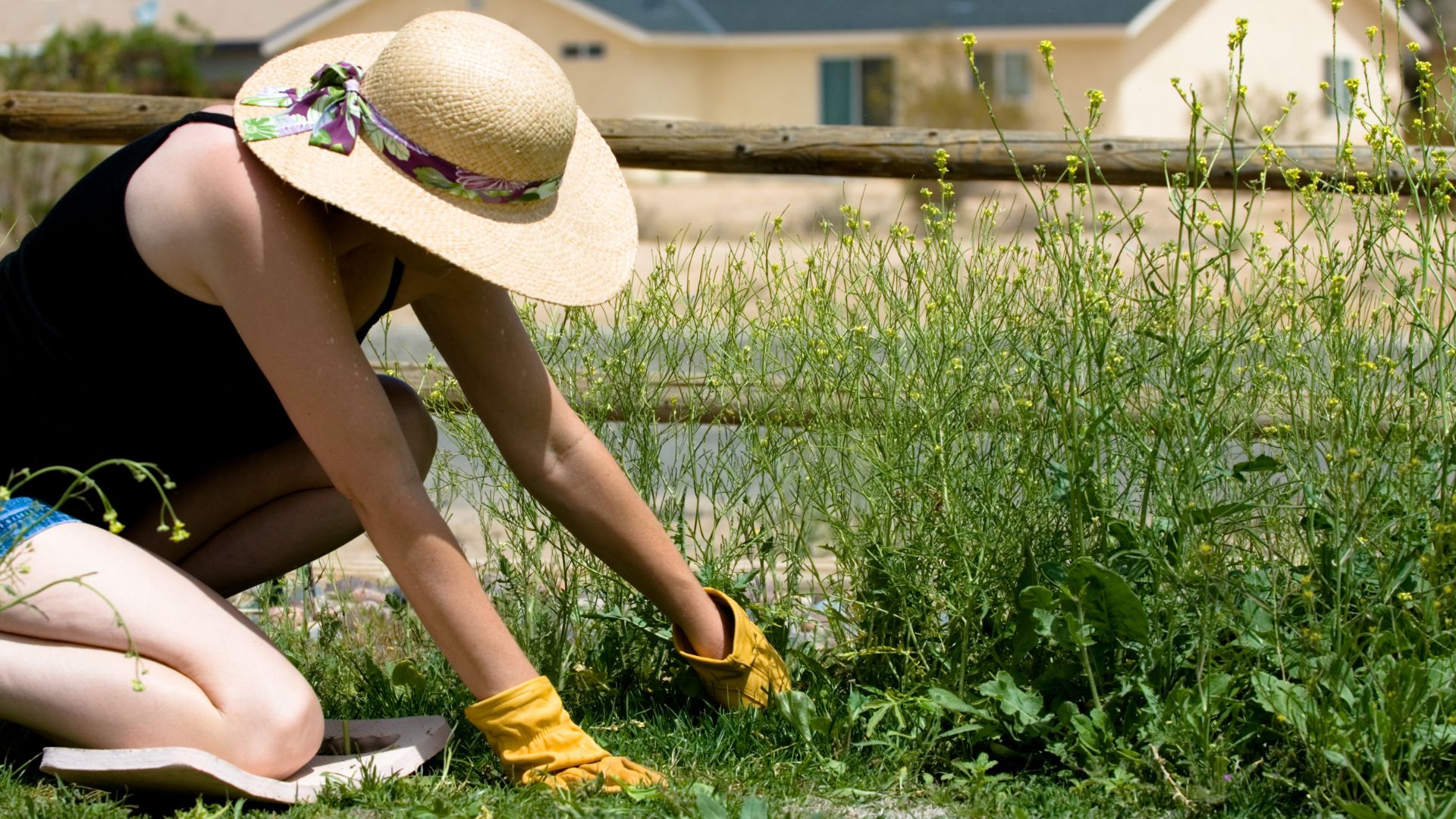
Can You Have a Homestead on Half an Acre? A Guide to Small-Scale Homesteading
In today’s world, many people are looking to simplify their lives and reconnect with nature, and homesteading has become an increasingly popular way to do so. The idea of owning a homestead often conjures up images of sprawling farms with acres of land, but is it possible to create a successful and sustainable homestead on just half an acre? The answer is yes! With the right planning, creativity, and effort, you can transform a small plot of land into a thriving, self-sufficient homestead.
In this blog post, we’ll explore how to make the most of half an acre to build a productive, sustainable homestead. From gardening to raising animals and creating energy-efficient systems, we’ll walk you through practical steps and ideas for homesteading on a smaller scale.
Understanding Homesteading on Half an Acre
When most people think of homesteading, they picture large farms with open fields, animals grazing, and rows of crops. While it’s true that having more land can provide you with additional options, it’s absolutely possible to create a successful homestead on half an acre of land. The key is to maximize your space and choose your activities wisely. Homesteading is about living sustainably, growing your own food, and being more self-reliant – and you don’t need acres of land to do that.
So, what does homesteading on half an acre look like? Let’s dive into the different aspects that make up a productive homestead, focusing on how to make the most of a smaller plot.
1. Maximizing Garden Space for Food Production
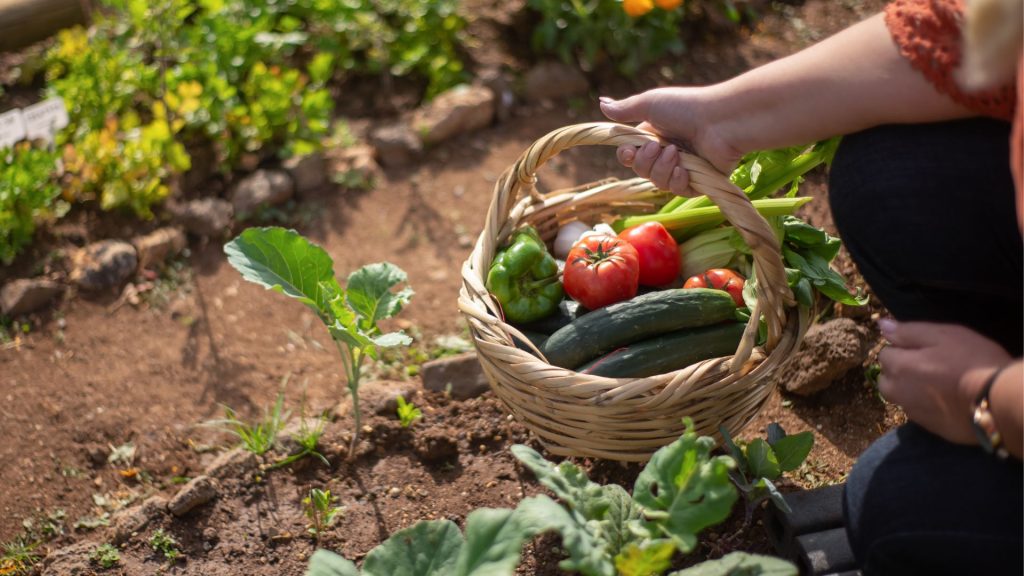
One of the primary goals of homesteading is growing your own food, and gardening is a fantastic way to do that, even on half an acre. While you may not have room for a large-scale farm, you can still create a productive garden that will provide fresh fruits, vegetables, and herbs for your family.
Key gardening strategies for half an acre:
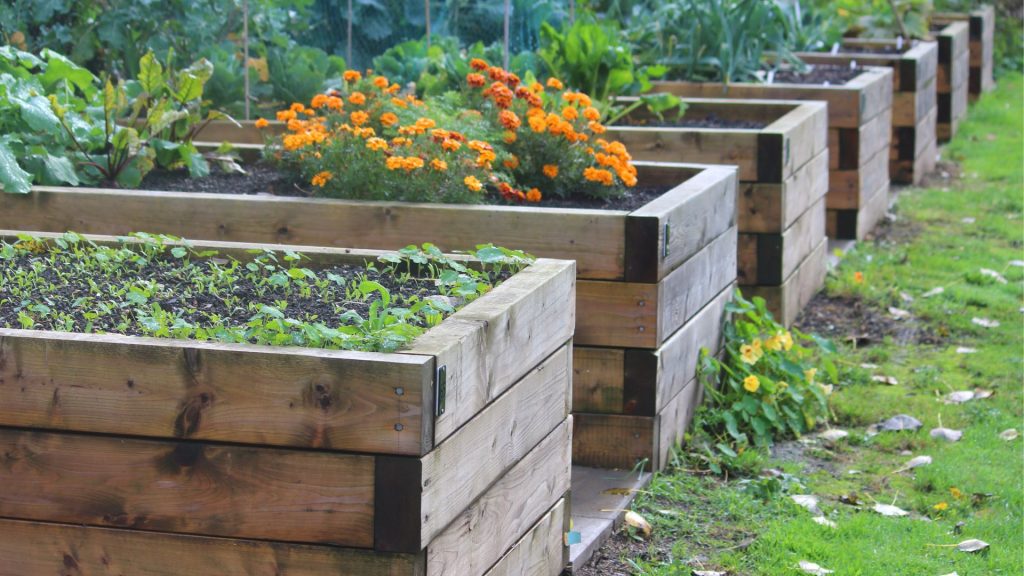
- Raised Beds: Raised garden beds are an efficient way to maximize space and improve soil quality. They allow for better drainage, soil aeration, and easier access to your plants. You can grow a variety of crops like tomatoes, lettuce, peppers, and herbs in raised beds, which can be arranged in patterns to optimize your space.
- Vertical Gardening: Use vertical gardening techniques, such as trellises, hanging planters, and vertical grow towers, to grow vining plants like cucumbers, beans, and peas. This will free up more space for other crops and make your garden more productive.
- Companion Planting: Companion planting is a method of growing plants that benefit each other. For example, planting basil near tomatoes can improve the flavor of your tomatoes and help repel pests. This practice can help you get the most out of your limited garden space.
- Intensive Gardening: Intensive gardening focuses on planting crops close together to maximize yield per square foot. Square-foot gardening is a popular technique for this, and it’s ideal for small spaces like a half-acre homestead.
With these techniques, you can grow a wide variety of produce to feed your family and reduce your grocery bills.
2. Raising Livestock on a Small Scale
Raising animals is another key component of homesteading, but on half an acre, you’ll need to be selective about the animals you choose. The goal is to raise enough livestock to provide food and other resources, without overburdening your limited space.
Best animals for a half-acre homestead:
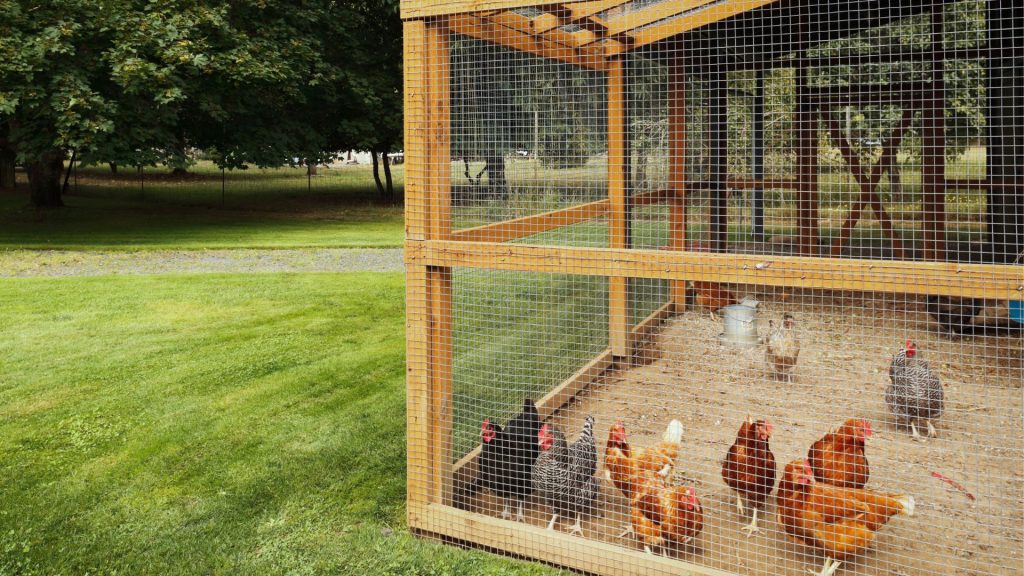
- Chickens: Chickens are one of the most popular animals to raise on a small homestead. They require minimal space and provide fresh eggs and meat. You can raise a small flock in a coop with an attached run, ensuring they have room to roam and forage.
- Rabbits: Rabbits are another excellent choice for small homesteads. They are easy to care for, require minimal space, and can provide meat as well as fur. Rabbit hutches can be placed in corners of your property or even in your garden to maximize space.
- Goats: While goats require more space than chickens or rabbits, you may be able to keep a small herd of miniature goats or dairy goats on half an acre. They provide milk, cheese, and can help clear brush, which makes them a valuable addition to your homestead.
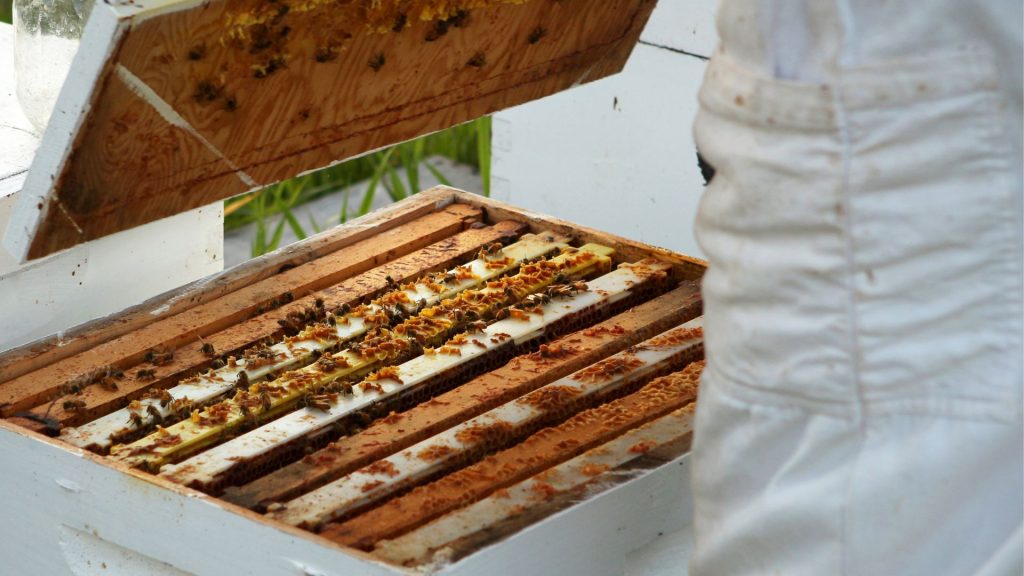
- Bees: Beekeeping is another great homesteading activity that can be done on a small plot of land. Bees help pollinate your garden and provide honey, beeswax, and other valuable products.
Keep in mind that livestock requires a significant amount of care, so be sure to choose animals that match your available time and resources.
3. Water Management and Irrigation
Water is a critical resource on any homestead, and managing it properly is especially important when working with limited land. Efficient water use is essential for keeping your garden healthy and your animals hydrated, while also minimizing waste.
Water-saving techniques for your homestead:
- Rainwater Harvesting: Installing a rainwater collection system can help you reduce your dependence on municipal water. Collecting rainwater in barrels or tanks can be used to water your garden, wash clothes, or provide water for your animals.
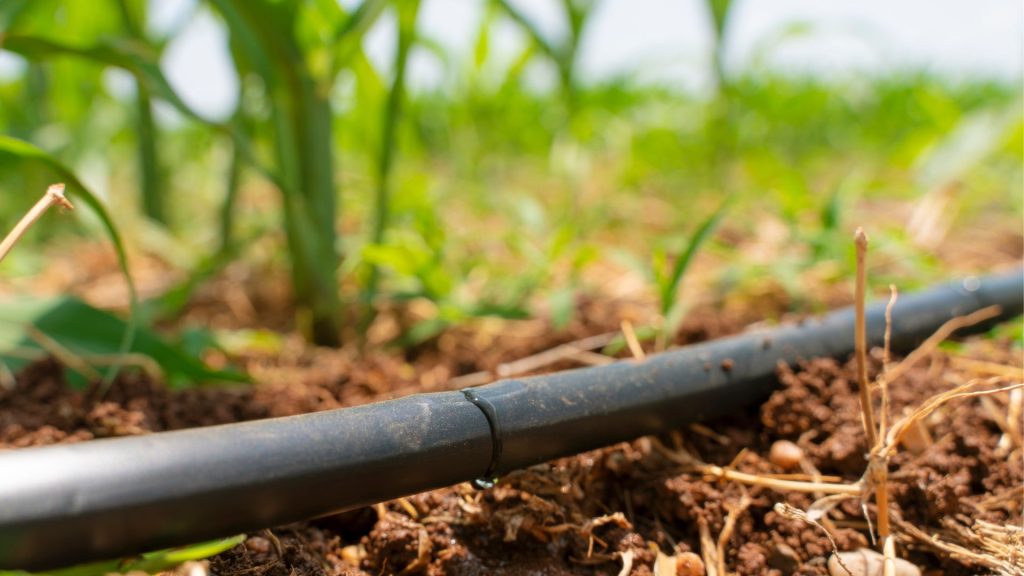
- Drip Irrigation: A drip irrigation system delivers water directly to the roots of your plants, reducing water wastage and ensuring that your crops receive adequate moisture.
- Greywater Recycling: You can reuse greywater (water from baths, sinks, or washing machines) to irrigate your garden, provided you use non-toxic cleaning products. This is an environmentally-friendly way to make the most of your water resources.
By using these strategies, you can make sure your homestead remains well-watered and sustainable, even on a smaller plot of land.
4. Sustainable Energy Solutions
Living sustainably means reducing your reliance on external resources, and one of the most impactful ways to do this is by harnessing renewable energy. Even on half an acre, you can incorporate green energy solutions to help power your home and homestead.
Energy-efficient options for a half-acre homestead:
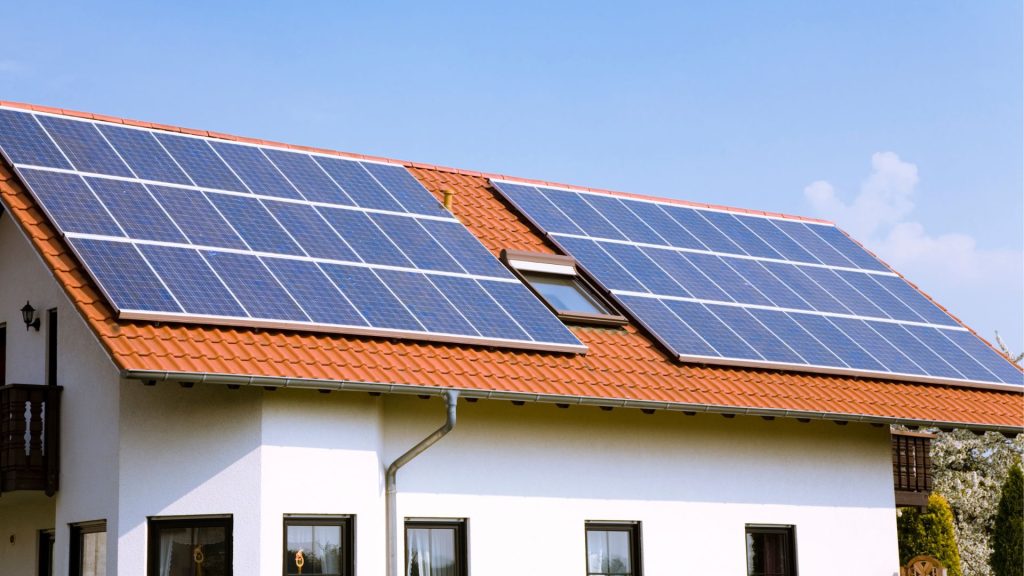
- Solar Panels: Installing solar panels on your roof or in an unobstructed area of your property is an excellent way to reduce your electricity bills and make your homestead more self-sufficient. Depending on your location, you might even be able to generate enough solar power to run most of your household needs.
- Wind Turbine: If you live in an area with consistent winds, you might consider adding a small wind turbine to generate electricity. While this may not be an option for every homestead, a small turbine can be a great addition if you have the right conditions.
- Composting Toilets and Off-Grid Water Systems: For more off-grid living, consider a composting toilet and a rainwater filtration system. These will further reduce your reliance on public utilities and help you maintain a more self-sufficient lifestyle.
These energy solutions will help you create a more eco-friendly and sustainable homestead while lowering your costs and environmental impact.
5. Utilizing the Space Efficiently
On a half-acre, space is limited, so it’s important to make every square foot count. A thoughtful layout can make your homestead more functional and productive.
Tips for using your half-acre effectively:
- Zoning: Divide your land into zones based on function. For example, place your garden in the sunniest area, while your livestock and chickens can be in the back or along the perimeter. Your house and living space should be in a central location for convenience.
- Multi-purpose structures: Build structures that serve multiple functions. For instance, a barn can double as storage space and shelter for animals, while a greenhouse can serve as both a garden and a workspace.
- Grow in Layers: Consider using permaculture principles to design your garden with multiple layers (canopy, understory, ground cover, etc.) to maximize space and productivity. This technique allows you to grow a variety of crops in a small area.
By planning your space wisely, you can ensure that every inch of your half-acre homestead is being used effectively.
My Sunny Thoughts
Homesteading on half an acre is more than possible – with the right planning, creativity, and resourcefulness, you can build a thriving, sustainable lifestyle. From gardening to raising animals, and incorporating renewable energy solutions, your half-acre homestead can provide food, shelter, and independence. Whether you’re just starting out or looking to optimize your space, the key to success lies in maximizing what you have and being strategic in your choices.
Have you ever considered homesteading on a smaller plot of land? What would be your top priorities if you were to create a homestead on half an acre? Share your thoughts and ideas in the comments below!