

The Fascinating History and Meaning Behind Your Favorite Flowers
Flowers have always held a special place in human culture, symbolizing everything from love and friendship to mystery and power. Throughout history, they have been used to convey messages, mark milestones, and even influence the outcome of battles. Whether you’re admiring a bouquet on your dining table or strolling through a lush garden, you might be surprised at the rich history and profound meanings behind some of your favorite flowers.
In this blog post, we will explore the fascinating history and symbolism behind several popular flowers. So, let’s dive into the colorful world of flowers and discover their deeper meanings!
1. Roses: A Classic Symbol of Love
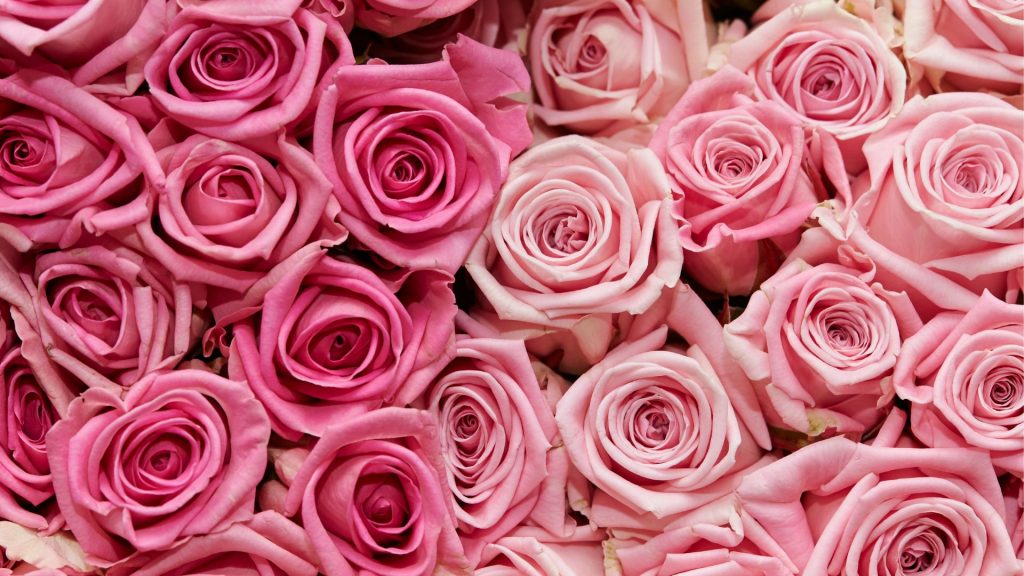
Roses are perhaps the most well-known and universally loved flowers in the world. Their captivating fragrance and vibrant hues have made them a symbol of love, beauty, and passion for centuries. The history of roses dates back over 5,000 years, with evidence of rose cultivation found in ancient civilizations like the Egyptians, Greeks, and Romans.
In Greek and Roman mythology, roses were associated with the goddess Aphrodite (or Venus in Roman mythology), the goddess of love. According to one myth, Aphrodite’s tears and the blood of her lover, Adonis, created the first red roses, symbolizing eternal love and devotion.
Over time, roses have evolved into different colors, each carrying its own unique meaning:
- Red roses symbolize deep love and passion.
- White roses represent purity, innocence, and new beginnings.
- Yellow roses are often associated with friendship and joy.
- Pink roses signify gratitude, grace, and admiration.
- Orange roses convey enthusiasm and energy.
Roses are often used in weddings, anniversaries, and romantic occasions, continuing their legacy as the ultimate flower of love.

2. Tulips: A Symbol of Perfect Love
Tulips are another favorite flower that has captured hearts worldwide. Originally from Central Asia, tulips became incredibly popular in the Netherlands during the 17th century. In fact, the tulip craze in Holland led to the infamous “Tulip Mania” bubble, where prices for tulip bulbs soared to insane heights before crashing down.
Tulips have been cherished for their vibrant colors and elegant shape. In the language of flowers, known as floriography, tulips represent perfect love. The smooth, symmetrical petals of the tulip are thought to reflect the beauty and balance of a perfect romantic relationship. Different colors of tulips also carry distinct meanings:
- Red tulips symbolize true love and passion.
- Yellow tulips represent cheerful thoughts and friendship.
- Purple tulips signify royalty and nobility.
- White tulips are a symbol of forgiveness and purity.
Interestingly, during the Tulip Mania, the high demand for rare tulips, particularly the “Semper Augustus” variety, was so extreme that it became a form of currency. Today, tulips are still an enduring symbol of love and beauty.

3. Sunflowers: A Symbol of Adoration and Positivity
Sunflowers are hard to miss—tall, bright, and always facing the sun. Their cheerful golden petals and large, round shape make them a symbol of adoration, happiness, and positivity. Sunflowers are believed to have originated in the Americas, where they were cultivated by Native American tribes long before European settlers arrived.
In the language of flowers, sunflowers symbolize loyalty and unwavering devotion. Their ability to turn toward the sun is often interpreted as a symbol of faithfulness and optimism. Sunflowers also have a rich cultural history. For the ancient Incas, sunflowers represented the sun god, and the flower was seen as a way to honor their solar deity.
The meaning behind sunflowers can also vary based on their color:
- Yellow sunflowers represent happiness, warmth, and energy.
- Orange sunflowers symbolize passion and enthusiasm.
- Red sunflowers often convey deep admiration and love.
Sunflowers are often seen as an emblem of joy, making them a popular choice for celebrations like birthdays and festivals.

4. Lilies: A Flower of Purity and Rebirth
Lilies have a delicate, graceful beauty that has made them one of the most revered flowers throughout history. They are native to the temperate regions of the Northern Hemisphere and have been cultivated for over 3,000 years. Lilies hold a prominent place in both religious and cultural contexts, particularly in Christianity, where the white lily is often associated with the Virgin Mary and symbolizes purity and innocence.
In the language of flowers, lilies represent purity, renewal, and new beginnings. Their elegant, trumpet-like shape and soft fragrance also make them a symbol of femininity and motherhood. Different types of lilies have their own specific meanings:
- White lilies symbolize purity, virtue, and renewal.
- Pink lilies represent prosperity and abundance.
- Orange lilies convey passion and confidence.
- Tiger lilies are associated with wealth, pride, and confidence.
Lilies are often used in weddings, funerals, and religious ceremonies, serving as a symbol of both life’s fleeting beauty and the eternal cycle of rebirth.
5. Orchids: A Symbol of Luxury and Exotic Beauty
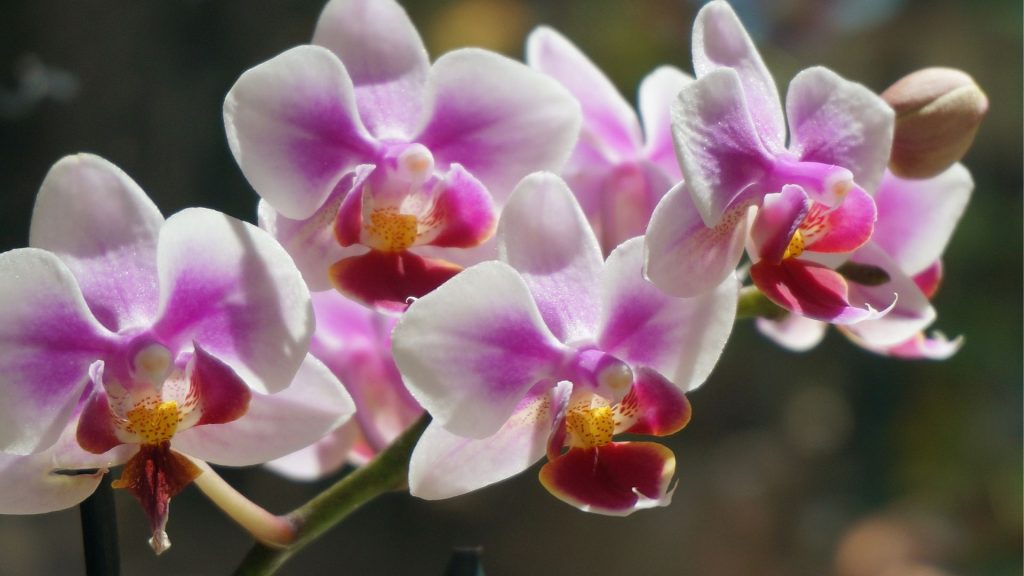
Orchids are among the most exotic and mysterious flowers in the world. With their intricate petals and wide range of colors and shapes, orchids have fascinated people for centuries. Orchids are native to tropical and subtropical regions and were once considered so rare and valuable that they were only available to royalty and the elite.
In many cultures, orchids are associated with luxury, strength, and refinement. In the language of flowers, they represent beauty, love, and strength. In ancient Greece, orchids were linked to fertility, and the Greeks believed that the size of the orchid’s tuber could determine the gender of an unborn child. Meanwhile, in China, orchids symbolize integrity, nobility, and friendship.
Orchids come in a stunning array of colors, and each one carries its own symbolism:
- Purple orchids symbolize royalty, admiration, and respect.
- White orchids represent purity, elegance, and innocence.
- Pink orchids are associated with femininity, grace, and joy.
- Yellow orchids convey friendship and new beginnings.
Given their beauty and rarity, orchids are a popular gift for special occasions like anniversaries, birthdays, and celebrations of success.

6. Daisies: A Symbol of Innocence and New Beginnings
Daisies are simple yet charming flowers that have been admired for their purity and beauty for centuries. Native to Europe and Asia, daisies have spread across the world and are commonly found in gardens and fields. Their characteristic white petals and yellow center have made them a symbol of innocence, loyalty, and new beginnings.
The daisy’s bright, cheerful appearance has led to its association with love, and in the language of flowers, daisies represent purity and true love. Their simplicity also reflects the idea of simplicity in life—living with a clear heart and an open mind.
Different types of daisies have their own meanings:
- White daisies symbolize purity and innocence.
- Gerbera daisies represent cheerfulness and joy.
- Pink daisies convey femininity and gratitude.
Daisies are often given to express love and admiration, making them a popular choice for birthdays and other joyous occasions.
7. Lavender: A Flower of Tranquility and Calm
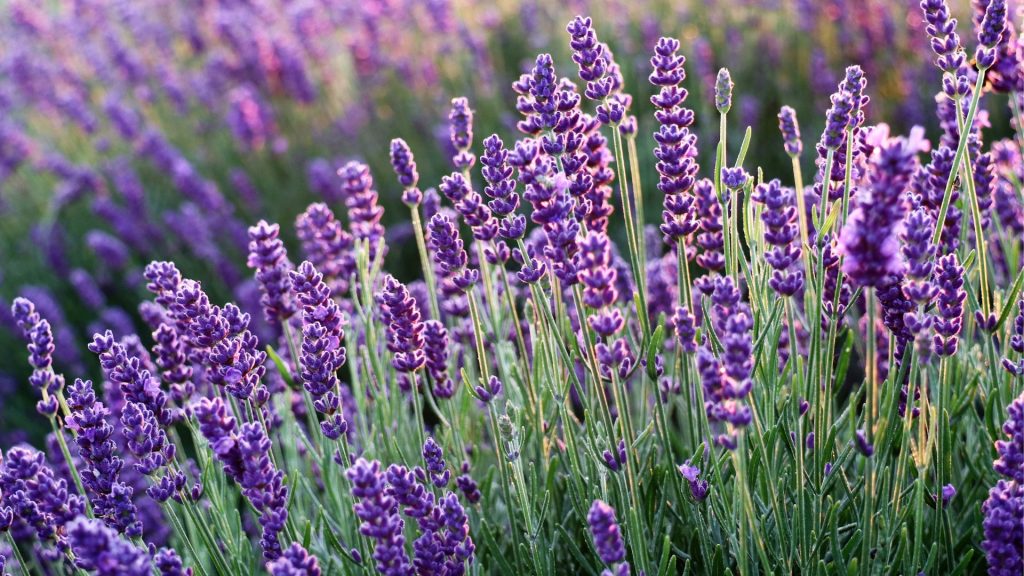
Lavender is widely known for its soothing fragrance and calming properties. Native to the Mediterranean region, lavender has been used for centuries in perfumes, oils, and even medicinal remedies. It is often associated with relaxation, tranquility, and healing.
In the language of flowers, lavender symbolizes devotion, calm, and purity. It has also been used in many cultures as a symbol of peace and cleanliness. In ancient Rome, lavender was believed to have protective properties, and it was often placed in homes to ward off evil spirits.
Lavender is often used in aromatherapy and is a popular flower in gardens dedicated to relaxation and mindfulness.
The Timeless Beauty of Flowers
From the deep love symbolized by roses to the purity of lilies and the joy of sunflowers, flowers have long been a way to communicate emotions and values. Each flower carries its own unique history and meaning, and its significance can vary depending on culture and personal experience. Whether you’re gifting a bouquet or planting a garden, understanding the deeper meanings behind flowers can add a layer of personal significance to your choices.
What’s your favorite flower, and what meaning or memory does it hold for you? Share in the comments below!


