

How to Create a Beautiful Memory Garden to Honor a Loved One
Gardening is a deeply personal and meaningful activity that allows us to connect with nature, express creativity, and create lasting memories. One of the most profound ways to use gardening as a form of tribute is by creating a memory garden for a loved one. A memory garden is not just about planting flowers or trees; it’s about weaving together the essence of someone you love into the fabric of your outdoor space, creating a place where you can reflect, honor, and remember them for years to come.
In this blog post, we’ll walk you through the process of creating a memory garden that celebrates the life of a loved one. We’ll explore the emotional benefits, the types of plants that are most fitting for such a project, and the personal touches you can add to make the garden truly unique.

Why Create a Memory Garden?
A memory garden offers a healing space to reflect on the life of someone special. Whether it’s a family member, a friend, or a beloved pet, the process of creating a garden that honors their memory can provide comfort and a sense of peace. Gardens are often associated with growth, renewal, and life, and by crafting a space filled with plants that hold sentimental value, you are cultivating a living tribute that will continue to grow and evolve over time.
Emotional Benefits:
- A Place to Reflect: A memory garden offers a serene spot where you can sit quietly and reflect on cherished moments and fond memories of your loved one.
- Healing Through Nature: The act of gardening itself can be therapeutic. Digging, planting, and tending to the garden can provide an emotional release and a sense of purpose.
- A Living Memorial: As plants grow and bloom, they serve as living reminders of the person you’re honoring. Just as life continues to unfold, your memory garden will evolve over the years, keeping your loved one’s spirit alive.

Step-by-Step Guide to Creating a Memory Garden
Creating a memory garden doesn’t have to be complicated. Whether you have a small balcony or a spacious backyard, you can create a personalized garden that reflects the personality, passions, and life of the person you’re honoring. Let’s break down the process into easy steps:
Step 1: Choose the Right Location
The location of your memory garden is crucial. It should be a place where you feel connected to the memory of your loved one. Here are a few location ideas:
- A Quiet Corner of Your Yard: If you have a backyard, find a peaceful corner or space that can be dedicated to the garden. It could be near a bench where you can sit and meditate or somewhere with natural beauty.
- Near a Favorite Spot: If your loved one had a favorite spot in the yard, such as a tree or patio, this could be the perfect place to start your garden.
- A Window Box or Balcony: If you don’t have a lot of outdoor space, a window box or balcony can serve as a beautiful memory garden. You can plant small flowers and herbs that remind you of your loved one.

Step 2: Select Meaningful Plants
Plants play a significant role in any memory garden. When choosing plants, think about what your loved one adored or what best symbolizes their life. Some plants are chosen for their sentimental value, while others may have symbolic meanings. Here are a few plant ideas to consider:
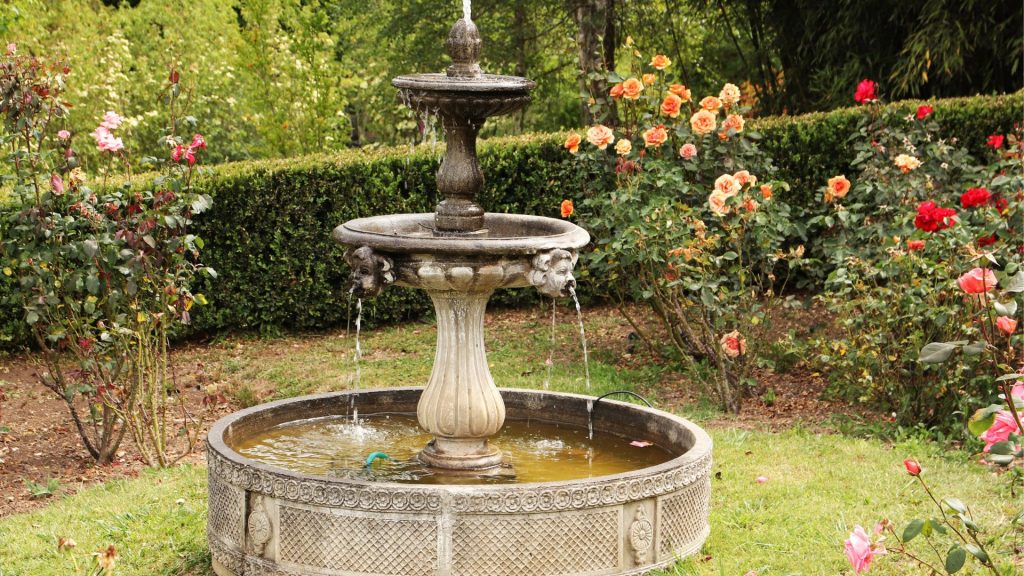
- Roses: Roses symbolize love and beauty. Choose a variety that was a favorite of your loved one or select one with a specific color or fragrance that reminds you of them.
- Lavender: Lavender is known for its calming properties and is often associated with peace and remembrance. It’s a wonderful addition to a memory garden, offering both visual appeal and a soothing scent.
- Daisies: Daisies represent purity and innocence, making them a lovely choice for a memory garden dedicated to someone who had a bright and joyful spirit.
- Sunflowers: Sunflowers represent adoration and loyalty. They are vibrant and cheerful, making them ideal for honoring a person who brought warmth and light into your life.
- Forget-Me-Nots: These tiny blue flowers have a powerful meaning: they symbolize remembrance and enduring love, making them perfect for a memory garden.
- Trees: Planting a tree, such as an oak, cherry blossom, or magnolia, creates a lasting memorial. A tree grows over the years, offering shade and beauty as it matures.
- Herbs: Consider adding herbs like rosemary or thyme, which symbolize remembrance and love. Plus, many herbs can be used in cooking or crafting, which makes them even more meaningful.

Step 3: Add Personal Touches
To make the memory garden truly personal, incorporate elements that reflect the unique personality, hobbies, and life of your loved one. Here are some ideas to get you started:
- Garden Statues and Sculptures: Consider adding a statue or sculpture that represents something meaningful to your loved one. It could be a favorite animal, angel, or an item that connects to their passions, like a bird for someone who loved birds or a book for an avid reader.
- Photographs or Keepsakes: Frame a picture of your loved one and place it in the garden, or consider using memorial stones engraved with their name, birth date, or a meaningful quote. These keepsakes can serve as focal points for your garden.
- Wind Chimes: Wind chimes are a beautiful addition to any garden, offering a melodic sound that can bring peace and comfort. Choose a wind chime that has a special sound or one that symbolizes something your loved one cherished.
- Memorial Bench: Place a small bench in the garden with an engraved message or quote. It can be a place for you to sit and reflect on the memories you shared.
- Fairy Lights or Lanterns: Add soft lighting to your memory garden with fairy lights or lanterns. These can create a peaceful, glowing atmosphere at night and serve as a symbol of light in times of darkness.

Step 4: Plan for Year-Round Beauty
A memory garden is something that will grow and evolve over time, so it’s important to choose plants that offer beauty throughout the year. Consider plants that bloom in different seasons, providing color and life throughout the year. In addition to flowers, you might also want to include evergreens or shrubs that provide structure and greenery during the winter months.
You can also incorporate seasonal touches, like planting bulbs that will bloom in the spring or adding a few autumnal plants like pumpkins or mums in the fall.
Step 5: Maintain the Garden
Caring for the garden after it’s created is an ongoing process. Regular maintenance, such as watering, pruning, and weeding, will keep the garden vibrant and healthy. Taking care of the garden can also be a way to feel connected to your loved one, and it can offer a sense of continuity as you watch the garden grow and change over time.

A Place for Healing and Reflection
A memory garden is more than just a garden; it is a living tribute to a loved one who has passed. It’s a space where you can go to reflect, find peace, and remember all the special moments you shared. The process of creating a garden is an opportunity for healing, growth, and connection to the past. Whether you’re planting flowers that evoke memories, adding meaningful keepsakes, or simply enjoying the space in quiet contemplation, a memory garden offers a beautiful way to celebrate the life of someone you love.

What plants or elements would you include in your own memory garden? Share your ideas or thoughts in the comments below! We’d love to hear how you honor the memories of your loved ones in your own gardens.


