Fight Powdery Mildew with These Proven Strategies for Healthy Plants
Powdery mildew can be a gardener’s worst nightmare. This fungal disease often sneaks up when you least expect it, leaving behind its signature white, powdery coating on your plants. Whether you’re a seasoned gardener or a beginner, understanding how to prevent and treat powdery mildew is essential for keeping your garden healthy and thriving. But don’t worry—by following some simple tips, you can manage and even prevent this pesky disease from causing damage to your plants. Let’s dive into the best practices for handling powdery mildew in your garden!
What Is Powdery Mildew?
Powdery mildew is a fungal infection that affects a wide variety of plants, including vegetables, flowers, shrubs, and trees. It typically appears as a white, powdery coating on the upper sides of leaves, stems, and flower buds. Over time, this fungal growth can cause leaves to yellow, curl, and eventually die, weakening the plant and reducing overall yield.
The fungus thrives in warm, dry environments and spreads easily through spores that are carried by the wind, insects, or even gardeners handling infected plants. Although powdery mildew doesn’t usually kill plants outright, it can severely reduce their vigor, growth, and ability to produce fruit or flowers.
Symptoms of Powdery Mildew
Recognizing powdery mildew early is key to managing it effectively. The common symptoms to look for include:
- White, Powdery Coating: The most obvious sign of powdery mildew is a white, powdery film that forms on the surface of leaves, stems, or buds. This coating is made up of fungal spores.
- Yellowing Leaves: As the fungus spreads, it damages the plant’s tissues, causing leaves to yellow and become weak.
- Distorted or Stunted Growth: Infected plants may have distorted or curled leaves and reduced growth. Flower buds may fail to open or produce malformed flowers.
- Leaf Drop: If left untreated, powdery mildew can cause leaves to fall prematurely, further weakening the plant.
If you spot any of these symptoms, it’s important to act quickly to prevent the mildew from spreading and causing further harm to your plants.

Causes and Conditions for Powdery Mildew
Powdery mildew thrives in specific conditions, which include:
- Warm, Dry Weather: The fungus prefers temperatures between 60°F and 80°F (15°C to 27°C) and a dry atmosphere. This is why it often appears during the summer or fall, when weather conditions are ideal.
- Poor Air Circulation: When plants are overcrowded or growing in shaded, humid conditions, airflow is reduced, creating the perfect environment for fungal growth.
- Excessive Watering: Over-watering or water splashing on the leaves can increase the humidity around the plant, making it more susceptible to fungal diseases like powdery mildew.
- Susceptible Plant Varieties: Some plant varieties are more prone to powdery mildew than others. Commonly affected plants include cucumbers, pumpkins, zucchinis, roses, grapes, and sunflowers.
By understanding the conditions that favor powdery mildew, you can take steps to avoid them and keep your garden safe from this persistent problem.

How to Prevent Powdery Mildew
Preventing powdery mildew is far easier than treating it once it’s established. Here are some steps you can take to keep your plants healthy and avoid fungal infections:
1. Choose Resistant Varieties
One of the best ways to prevent powdery mildew is by choosing plant varieties that are resistant to the disease. Many vegetable and flower varieties are bred to be more tolerant of mildew. For example, certain types of zucchini, cucumber, and squash are less likely to develop powdery mildew. Before planting, check the plant’s disease resistance profile to ensure you’re choosing the healthiest option for your garden.
2. Space Your Plants Properly
Good air circulation is essential for healthy plant growth and mildew prevention. When planting your garden, make sure to space plants adequately to allow for airflow between them. Avoid overcrowding, and trim back any excessively dense foliage to allow for better ventilation. This will help reduce humidity and make it harder for powdery mildew to take hold.

3. Water at the Base of the Plant
Avoid getting water on the leaves of your plants, as this can create the perfect environment for mildew. Instead, water your plants at the base, using a soaker hose or drip irrigation system to deliver moisture directly to the roots. Watering in the morning is also a good practice because it gives plants time to dry out during the day, preventing excess humidity that encourages fungal growth.
4. Prune Regularly
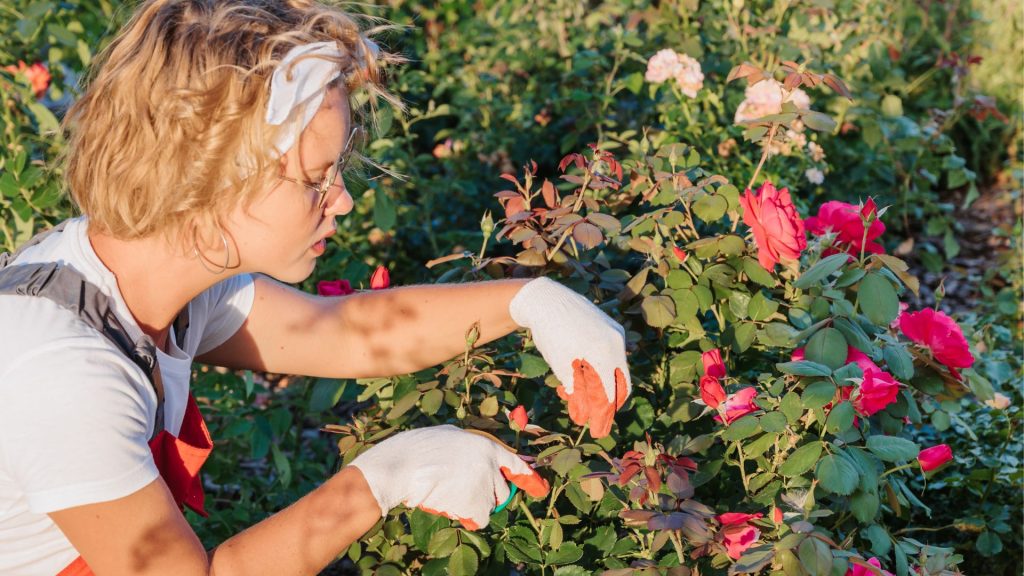
Pruning your plants not only helps them grow better, but it also improves air circulation. Trim away any dead or infected leaves, and remove any overlapping branches that could impede airflow. Keep the plant’s canopy open to ensure light and air reach all parts of the plant, which will reduce the risk of powdery mildew taking hold.
5. Use Mulch
Mulching around your plants can help prevent soil-borne fungal spores from splashing onto your plant leaves. Mulch acts as a barrier, keeping the base of your plants dry and reducing moisture around the roots. Organic mulch, such as straw or shredded leaves, can also enrich the soil and prevent weed growth.
How to Treat Powdery Mildew
If powdery mildew has already taken hold in your garden, don’t panic! There are several effective methods for treating it and restoring your plants to health. Here’s what you can do:
1. Remove Infected Plant Parts
The first step in treatment is to remove any leaves, stems, or flowers that show signs of powdery mildew. This helps prevent the disease from spreading to other parts of the plant. Be sure to dispose of the infected plant material in the trash (not compost) to avoid spreading the spores further.

2. Spray with Fungicides
Fungicides can be a helpful tool in treating powdery mildew, especially if the infection is widespread. There are many fungicides available, but it’s always best to start with natural or organic options to avoid harming beneficial insects in your garden. Some natural fungicides include:
- Neem Oil: This plant-based oil is a powerful fungicide that works by disrupting the growth of mildew and other fungal pathogens.
- Baking Soda Solution: Mix 1 tablespoon of baking soda with 1 gallon of water and a few drops of dish soap. Spray this mixture on the infected plant to help control powdery mildew.
- Horticultural Oil: This oil suffocates fungal spores and can be applied to leaves, stems, and flowers.
Always follow the instructions on the product labels, and apply fungicides in the early morning or late afternoon to avoid harming pollinators like bees.
3. Apply Milk Spray
A natural and safe treatment for powdery mildew is a milk spray. Research has shown that diluted milk, when sprayed on infected leaves, can help kill the fungal spores. Mix 1 part milk to 9 parts water, and spray it on your plants once a week. This method can be particularly effective in the early stages of infection.

4. Increase Air Circulation and Sunlight
To help plants recover from powdery mildew, it’s important to increase their exposure to sunlight and fresh air. Consider moving potted plants to a sunnier location, and trim back any excess foliage that’s blocking light. Powdery mildew thrives in shady, humid environments, so getting your plants as much sunlight as possible will help them fight off the disease.
5. Water Early in the Day
Once you’ve treated the powdery mildew, water your plants early in the day to allow them to dry off before nightfall. Avoid watering in the evening, as the moist conditions overnight create a prime environment for fungal growth.
My Sunny Thoughts
Powdery mildew doesn’t have to ruin your garden! By taking preventive measures like proper spacing, choosing resistant plant varieties, and using natural treatments like neem oil and milk spray, you can keep your plants healthy and free from this common fungal disease. Remember that early detection and intervention are key to stopping powdery mildew in its tracks. With the right approach, your plants will flourish, and you can continue to enjoy a beautiful, productive garden all season long.
Do you have any tips or experiences to share when it comes to dealing with powdery mildew? Let us know in the comments below—we’d love to hear your thoughts and learn more about how you handle this pesky garden problem!